





- Dispatch in 2-3 days
- Country of origin: India
- It’s Compulsory to make an unboxing video of the parcel for refunds within 24 hours.
- Bare Rooted
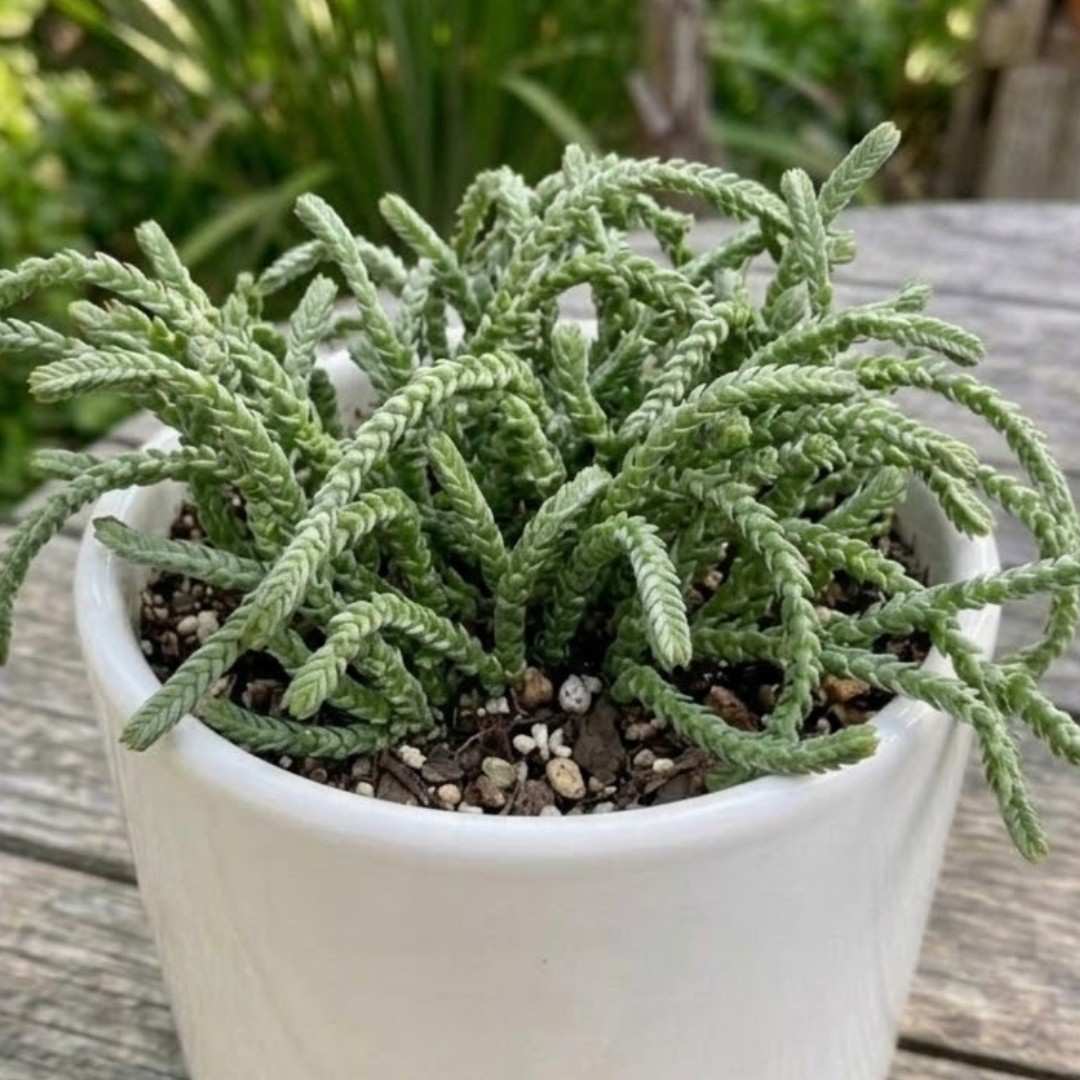
Tradescantia sillamontana, commonly known as White Velvet, Cobweb Spiderwort, or Woolly Wandering Jew, is a unique and attractive perennial plant known for its fuzzy, silvery-green foliage. This species is a favorite among houseplant enthusiasts due to its striking appearance and relatively easy care.
Key Characteristics of Tradescantia Sillamontana:
- Foliage: The most distinctive feature of Tradescantia sillamontana is its thick, succulent-like leaves covered in a dense layer of white, woolly hairs, giving the plant a silvery or velvety appearance. The leaves are oval-shaped, slightly pointed, and grow in a rosette pattern along the stems.
- Stems: The stems are also covered in fine hairs and can grow upright or sprawl, eventually trailing over the edges of pots or hanging baskets. The plant has a somewhat compact growth habit but can spread out over time.
- Flowers: Tradescantia sillamontana produces small, bright pink to purple flowers, typically during the summer months. The flowers appear at the tips of the stems and contrast beautifully with the silvery foliage.
Care Tips for Tradescantia Sillamontana:
- Light: This plant prefers bright, indirect light to partial shade. It can tolerate some direct sunlight, especially in the morning or late afternoon, which can help enhance the color and hairiness of the leaves. However, too much direct sunlight, especially in the afternoon, can cause the leaves to burn.
- Watering: Water moderately, allowing the top inch of the soil to dry out between waterings. Be cautious not to overwater, as the plant is somewhat drought-tolerant and susceptible to root rot if left in soggy soil. Reduce watering in the winter when the plant’s growth slows down.
- Soil: Use a well-draining potting mix, such as a cactus or succulent mix. You can add perlite or sand to improve drainage further. Good drainage is essential to prevent water from sitting at the roots.
- Temperature: Tradescantia sillamontana prefers warm temperatures between 65°F and 75°F (18°C to 24°C). It can tolerate slightly cooler temperatures but should be protected from frost, as it is not cold-hardy.
- Humidity: While the plant can tolerate average indoor humidity, it appreciates a bit more humidity, especially in dry indoor environments. You can increase humidity by misting the plant occasionally or placing it near a humidifier.
- Propagation: This plant is easy to propagate through stem cuttings. Simply cut a healthy stem with a few leaves, allow it to callous for a day or two, and then plant it in well-draining soil. The cuttings will quickly root and start growing.
- Maintenance: Prune the plant regularly to encourage bushier growth and remove any dead or yellowing leaves. Tradescantia sillamontana can be susceptible to spider mites and other pests, so it’s important to check the plant regularly and treat any infestations promptly.
Related Products


⚠️ IMPORTANT DELIVERY NOTE
To ensure maximum plant health and safe transit, succulents are shipped Bare-rooted (Without Pot).
🚚 Dispatch: Within 2-3 business days.
📹 Refund Policy: An Unboxing Video is compulsory for refund claims. Please report any issues within 24 hours of delivery.
💧
Watering
Water only after soil dries fully
Sunlight
Bright direct to partial sunlight
Temperature
10°C–32°C
Pet Safety
Generally pet safe
Maintenance
Low maintenance
Growth
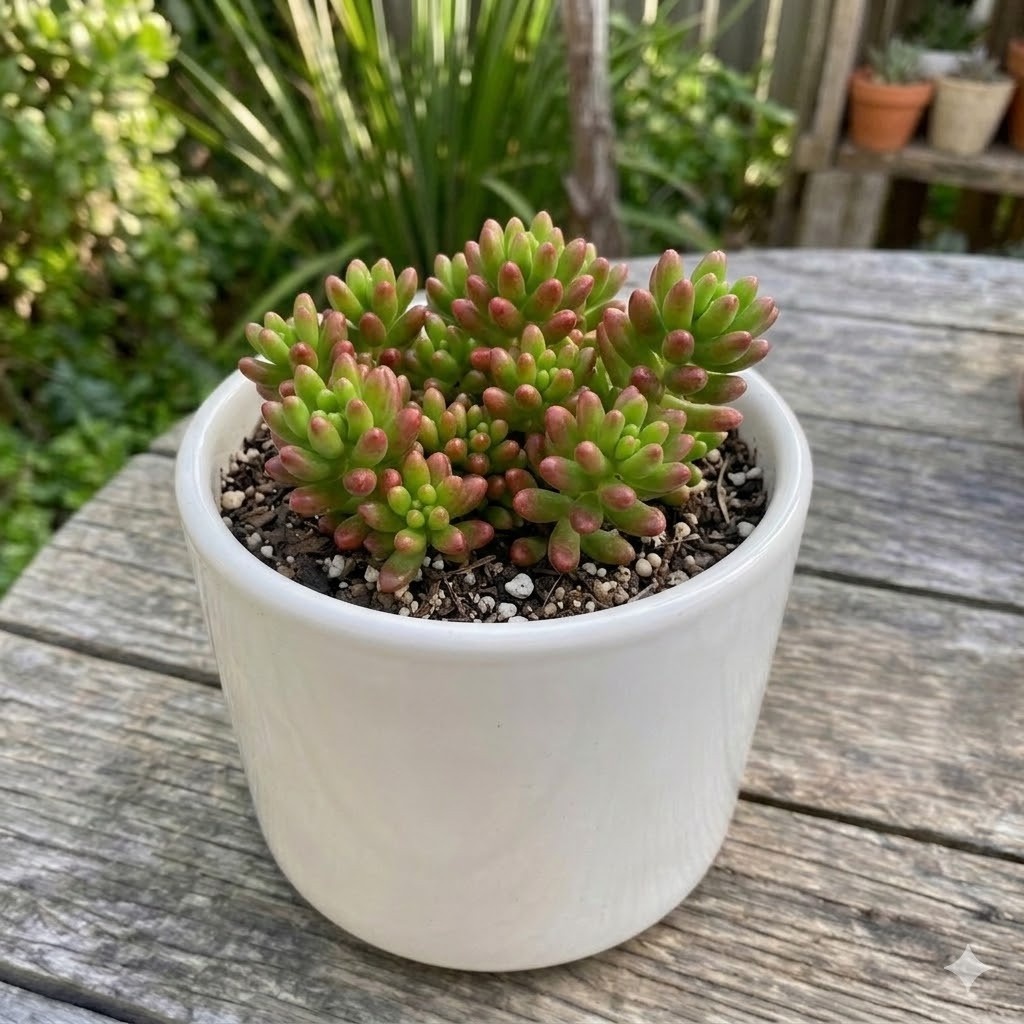
Approx. 70–85 mm rosette
Soil
Fast-draining cactus mix
Care Tip
Red tips intensify in brighter light
To ensure maximum plant health and safe transit, succulents are shipped Bare-rooted (Without Pot).
🚚 Dispatch: Within 2-3 business days.
📹 Refund Policy: An Unboxing Video is compulsory for refund claims. Please report any issues within 24 hours of delivery.
Out of stock

To ensure maximum plant health and safe transit, succulents are shipped Bare-rooted (Without Pot).
🚚 Dispatch: Within 2-3 business days.
📹 Refund Policy: An Unboxing Video is compulsory for refund claims. Please report any issues within 24 hours of delivery.
Reviews
There are no reviews yet.