


- Dispatch in 2-3 days
- Country of origin: India
- It’s Compulsory to make an unboxing video of the parcel for refunds within 24 hours.
- Bare Rooted
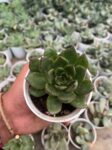
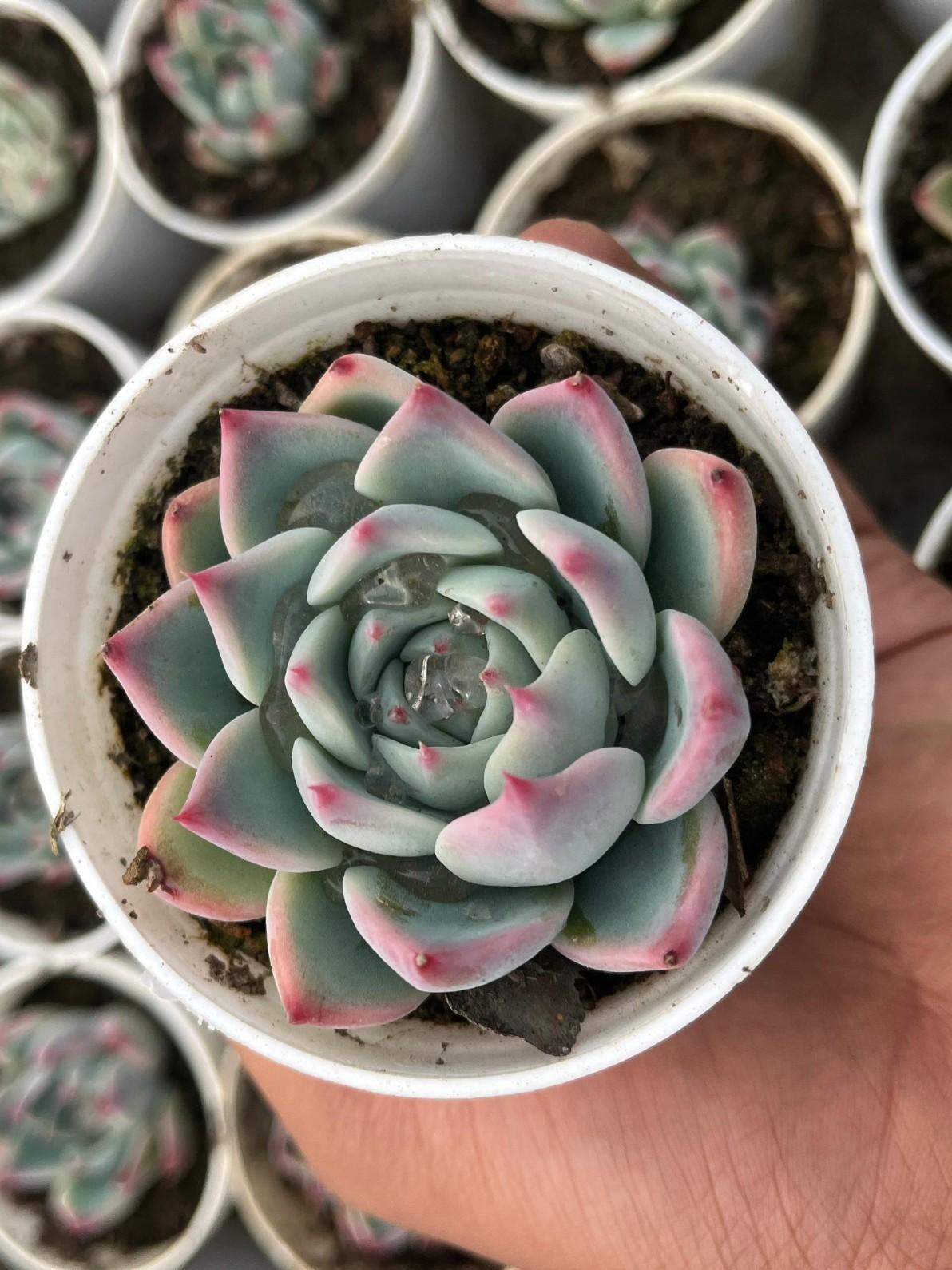
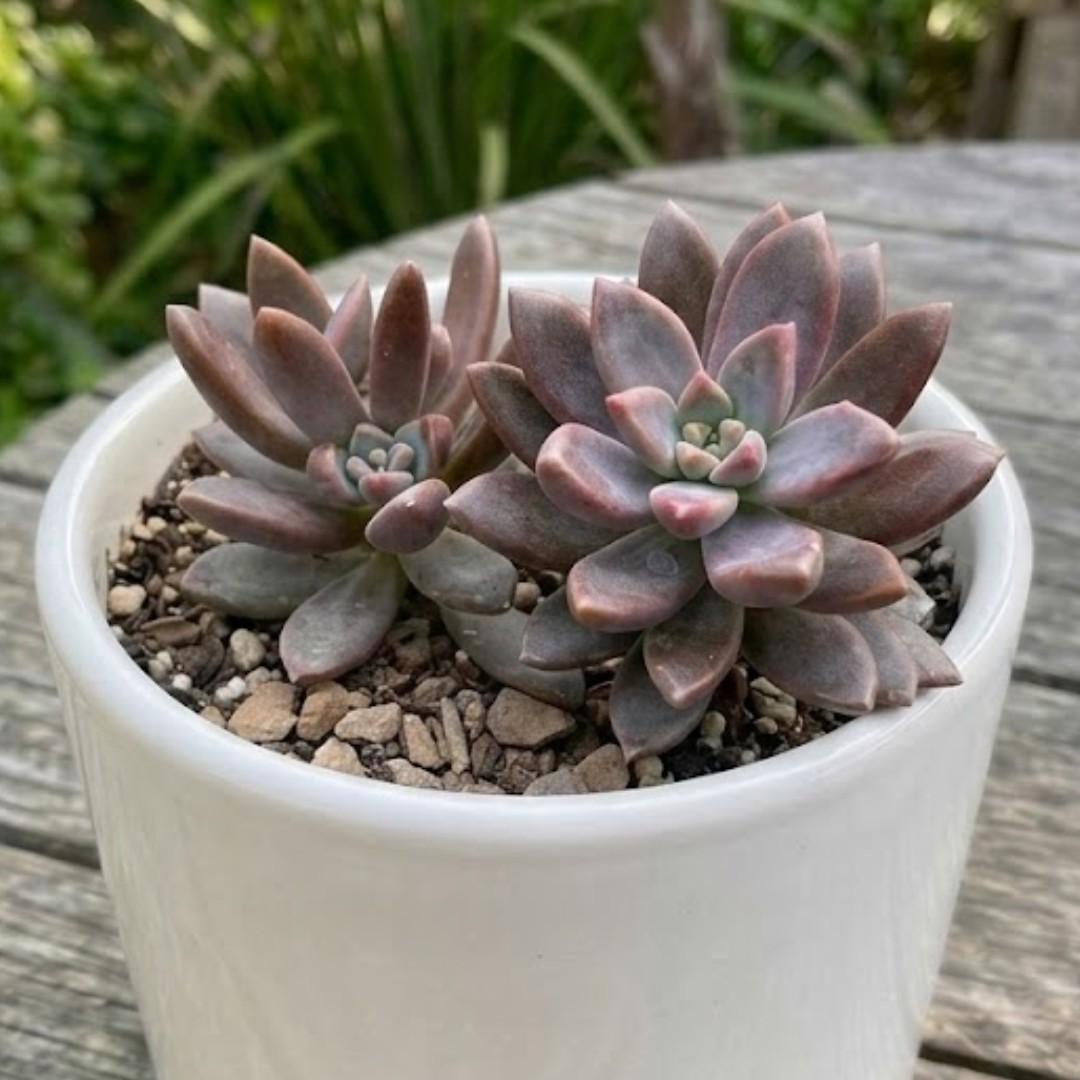
Pachyveria scheideckeri is a beautiful hybrid succulent that combines the best traits of its parent plants, which are from the genera Pachyphytum and Echeveria. This hybrid is popular among succulent enthusiasts due to its attractive rosette shape, thick fleshy leaves, and easy-care nature.
Key Characteristics:
- Foliage: The leaves of Pachyveria scheideckeri are thick, fleshy, and spoon-shaped, often with a powdery coating of epicuticular wax, giving them a frosty or silvery appearance. The color of the leaves can vary depending on the light and growing conditions, ranging from blue-green to a soft pink or lavender hue. The tips of the leaves may also turn reddish or pink when exposed to bright sunlight or during cooler temperatures.
- Growth Habit: Pachyveria scheideckeri grows in a rosette form, with the rosettes reaching up to 6 inches (15 cm) in diameter. The plant typically stays low to the ground, but over time, it may develop a short stem as older leaves fall off and new growth occurs at the top. The overall height of the plant is usually around 4-6 inches (10-15 cm).
- Flowers: In the spring or early summer, Pachyveria scheideckeri produces small, bell-shaped flowers on long, slender stems (inflorescences) that rise above the foliage. The flowers are typically pink, orange, or red, adding a splash of color to the plant’s muted tones.
Care Tips for Pachyveria scheideckeri:
- Light:
- Pachyveria scheideckeri thrives in bright, indirect light but can tolerate some direct sunlight, especially in the morning or late afternoon. Providing the plant with plenty of light will help maintain its compact rosette shape and enhance the coloration of the leaves. If grown indoors, place it near a south- or east-facing window.
- Watering:
- Like many succulents, Pachyveria scheideckeri prefers the “soak and dry” method. Water the plant thoroughly, allowing the excess water to drain out, and then let the soil dry out completely before watering again. Overwatering can lead to root rot, so it’s important to avoid keeping the soil consistently moist. Water less frequently during the winter months when the plant’s growth slows down.
- Soil:
- Use a well-draining soil mix, such as a cactus or succulent mix, to prevent water from sitting around the roots. You can improve drainage by adding perlite, pumice, or coarse sand to the soil mix.
- Temperature:
- Pachyveria scheideckeri prefers temperatures between 65-80°F (18-27°C) during the growing season. It can tolerate cooler temperatures down to around 40°F (4°C) but should be protected from frost. If grown outdoors in cooler climates, bring it indoors or provide protection when temperatures drop.
- Fertilizing:
- Fertilize the plant once a month during the growing season (spring and summer) with a diluted, balanced fertilizer formulated for succulents. Avoid fertilizing during the fall and winter when the plant is not actively growing.
- Propagation:
- Pachyveria scheideckeri can be propagated by leaf cuttings, stem cuttings, or by separating offsets (also known as “pups”). To propagate by leaf cuttings, gently twist a healthy leaf from the base of the rosette, let it callous over for a few days, and then place it on well-draining soil. With time, roots and new growth will form from the base of the leaf.
- Pests and Diseases:
- This succulent is relatively pest-resistant, but it can occasionally attract mealybugs or aphids. Regularly inspect the plant and treat any infestations with insecticidal soap or neem oil. Proper watering and good air circulation will help prevent issues like root rot or fungal diseases.
Related Products

⚠️ IMPORTANT DELIVERY NOTE
To ensure maximum plant health and safe transit, succulents are shipped Bare-rooted (Without Pot).
🚚 Dispatch: Within 2-3 business days.
📹 Refund Policy: An Unboxing Video is compulsory for refund claims. Please report any issues within 24 hours of delivery.
💧
Watering
Water only after soil dries fully
Sunlight
Bright direct to partial sunlight
Temperature
10°C–32°C
Pet Safety
Generally pet safe
Maintenance
Low maintenance
Growth
Approx. 70–85 mm rosette
Soil
Fast-draining cactus mix
Care Tip
Red tips intensify in brighter light




Out of stock


To ensure maximum plant health and safe transit, succulents are shipped Bare-rooted (Without Pot).
🚚 Dispatch: Within 2-3 business days.
📹 Refund Policy: An Unboxing Video is compulsory for refund claims. Please report any issues within 24 hours of delivery.
Reviews
There are no reviews yet.