


- Dispatch in 2-3 days
- Country of origin: India
- It’s Compulsory to make an unboxing video of the parcel for refunds within 24 hours.
- Bare Rooted
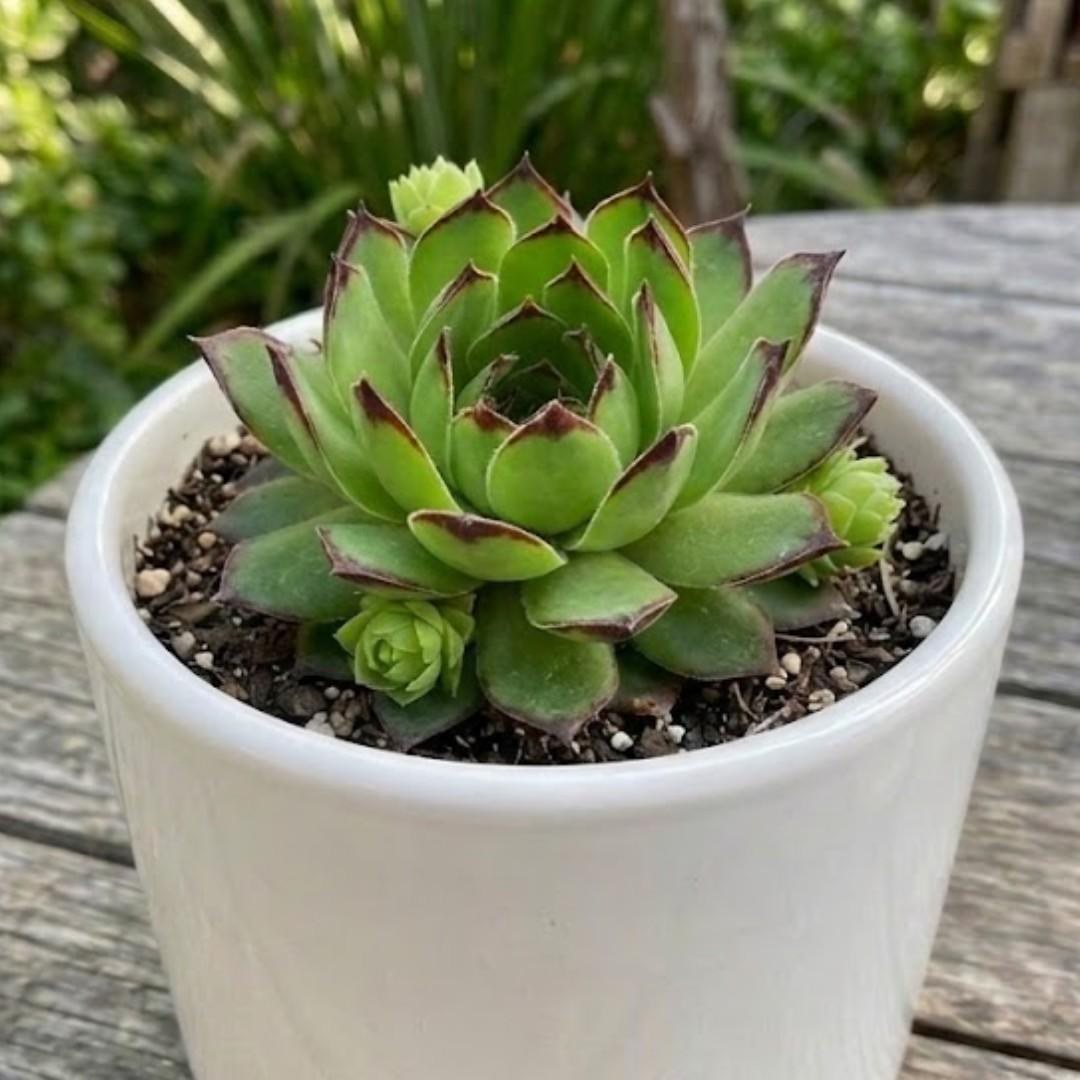
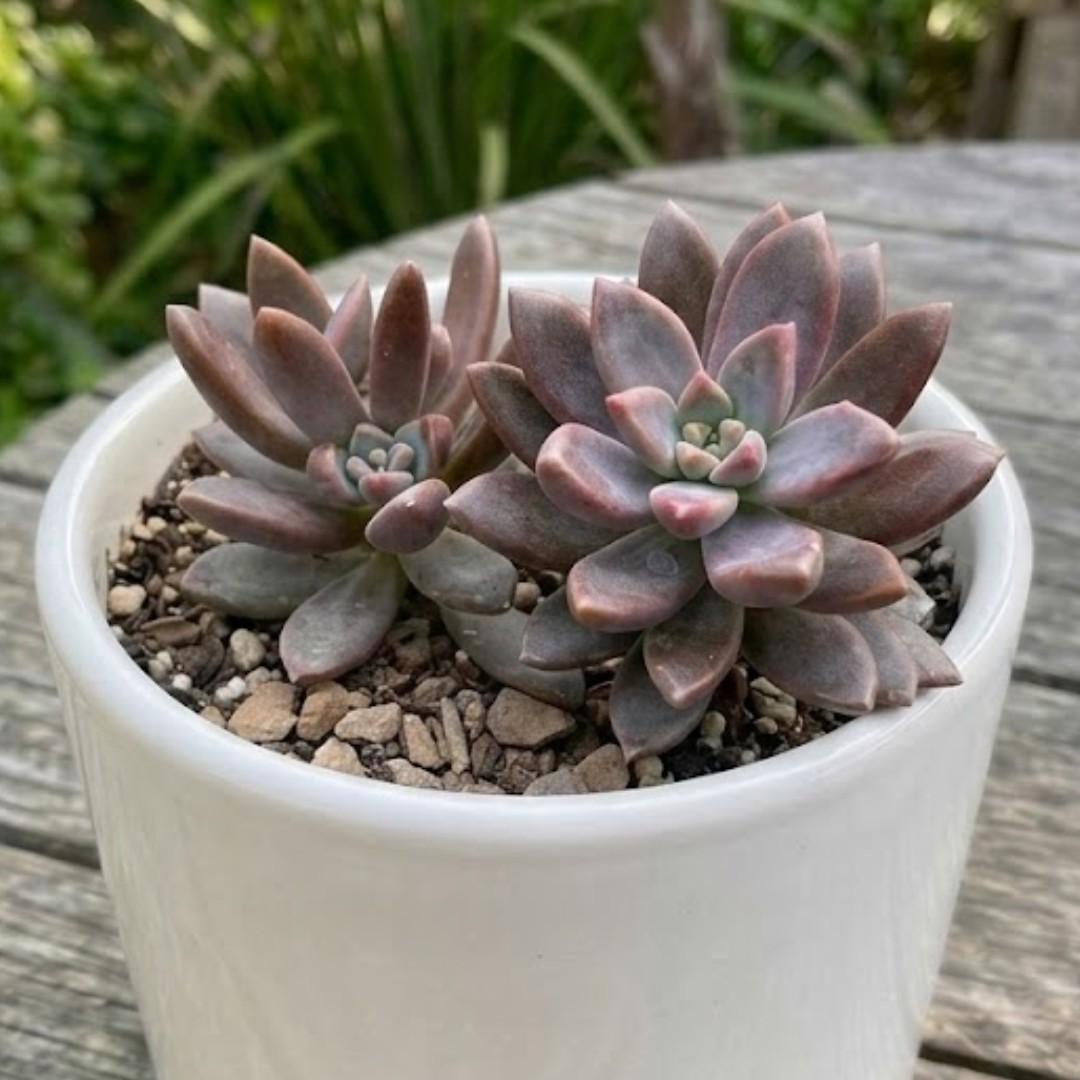
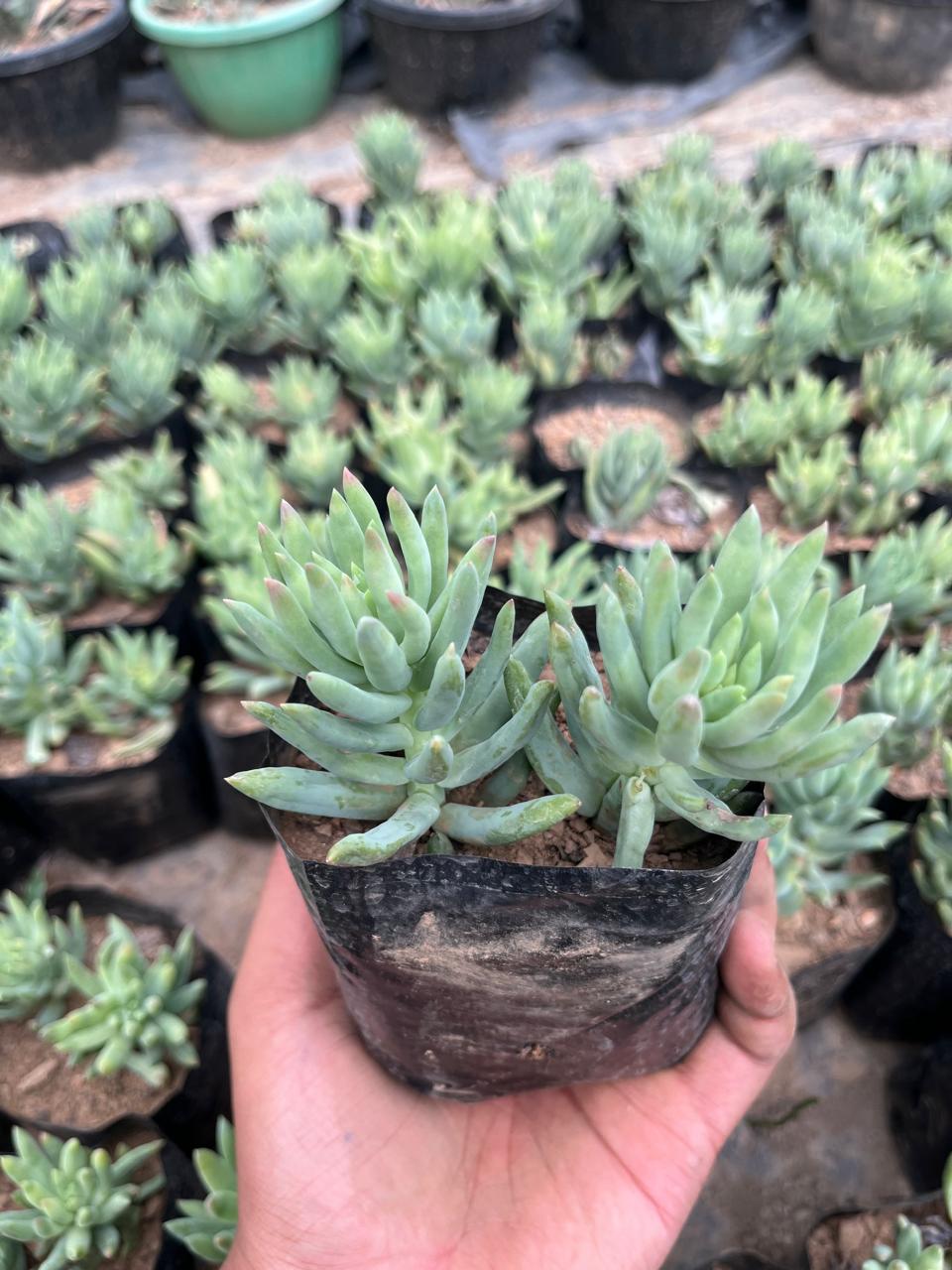
It seems like you might be referring to Orostachys, a genus of cold-hardy succulents in the Crassulaceae family. Orostachys are native to East Asia and Siberia, known for their rosette-forming growth habit and unique appearance. These succulents are particularly popular in rock gardens and alpine plantings due to their ability to withstand cold temperatures and their interesting, often spiky, appearance.
Key Characteristics:
- Rosette Formation: Orostachys species form tight, low-growing rosettes of fleshy, pointed leaves. The leaves are typically arranged in a spiral pattern and can range in color from green to gray, sometimes with a reddish or purplish tint.
- Growth Habit: These plants are usually compact and spread slowly by producing offsets (pups) around the main rosette. Some species of Orostachys have leaves that become more pointed and elongated as they mature, giving the plant a more spiky appearance.
- Flowers: Orostachys are monocarpic, meaning that each rosette will die after flowering. The flowers are usually small, star-shaped, and can be white, yellow, or pink. They appear on tall, slender spikes that rise from the center of the rosette.
Popular Species of Orostachys:
- Orostachys iwarenge (Dunce Cap): This is one of the most well-known species, with small, silver-gray rosettes that produce tall, conical flower spikes resembling a dunce cap.
- Orostachys spinosa: Known for its spiky, needle-like leaves that form tight rosettes. It is very hardy and can survive in harsh conditions.
Care Tips for Orostachys:
- Light:
- Orostachys thrive in full sun to partial shade. They do best when exposed to bright, direct light for several hours a day. Too much shade can cause the rosettes to become elongated and lose their compact shape.
- Watering:
- Water sparingly, allowing the soil to dry out completely between waterings. Orostachys are drought-tolerant and can survive with minimal water. Overwatering can cause root rot, so it’s essential to ensure that the soil drains well.
- Soil:
- Use a well-draining soil mix, ideally one designed for cacti and succulents. Adding sand, perlite, or grit to the soil can improve drainage and prevent water from pooling around the roots.
- Temperature:
- Orostachys are very cold-hardy and can tolerate freezing temperatures, making them suitable for outdoor cultivation in many climates. They can survive temperatures as low as -30°F (-34°C) in USDA zones 3-9. However, they should be protected from excessive moisture during the winter.
- Fertilizing:
- Fertilize lightly during the growing season (spring and summer) with a diluted, balanced fertilizer. Over-fertilizing can cause the plant to grow too quickly, which may weaken the rosettes.
- Propagation:
- Orostachys are easily propagated by dividing the offsets (pups) that grow around the base of the main rosette. These can be removed and replanted to create new plants. The rosettes that flower will die afterward, but they usually produce offsets before doing so.
- Pests and Diseases:
- These plants are generally resistant to pests, but they can occasionally be affected by aphids or mealybugs. Regularly inspect the plants and treat any infestations with insecticidal soap or neem oil.
Related Products

To ensure maximum plant health and safe transit, succulents are shipped Bare-rooted (Without Pot).
🚚 Dispatch: Within 2-3 business days.
📹 Refund Policy: An Unboxing Video is compulsory for refund claims. Please report any issues within 24 hours of delivery.
⚠️ IMPORTANT DELIVERY NOTE
To ensure maximum plant health and safe transit, succulents are shipped Bare-rooted (Without Pot).
🚚 Dispatch: Within 2-3 business days.
📹 Refund Policy: An Unboxing Video is compulsory for refund claims. Please report any issues within 24 hours of delivery.
💧
Watering
Water only after soil dries fully
Sunlight
Bright direct to partial sunlight
Temperature
10°C–32°C
Pet Safety
Generally pet safe
Maintenance
Low maintenance
Growth
Approx. 70–85 mm rosette
Soil
Fast-draining cactus mix
Care Tip
Red tips intensify in brighter light




Out of stock
Reviews
There are no reviews yet.