
Moonstone

Original price was: ₹149.₹75Current price is: ₹75.
To ensure maximum plant health and safe transit, succulents are shipped Bare-rooted (Without Pot).
🚚 Dispatch: Within 2-3 business days.
📹 Refund Policy: An Unboxing Video is compulsory for refund claims. Please report any issues within 24 hours of delivery.
- Dispatch in 2-3 days
- Country of origin: India
- It’s Compulsory to make an unboxing video of the parcel for refunds within 24 hours.
- Bare Rooted
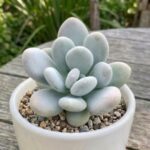
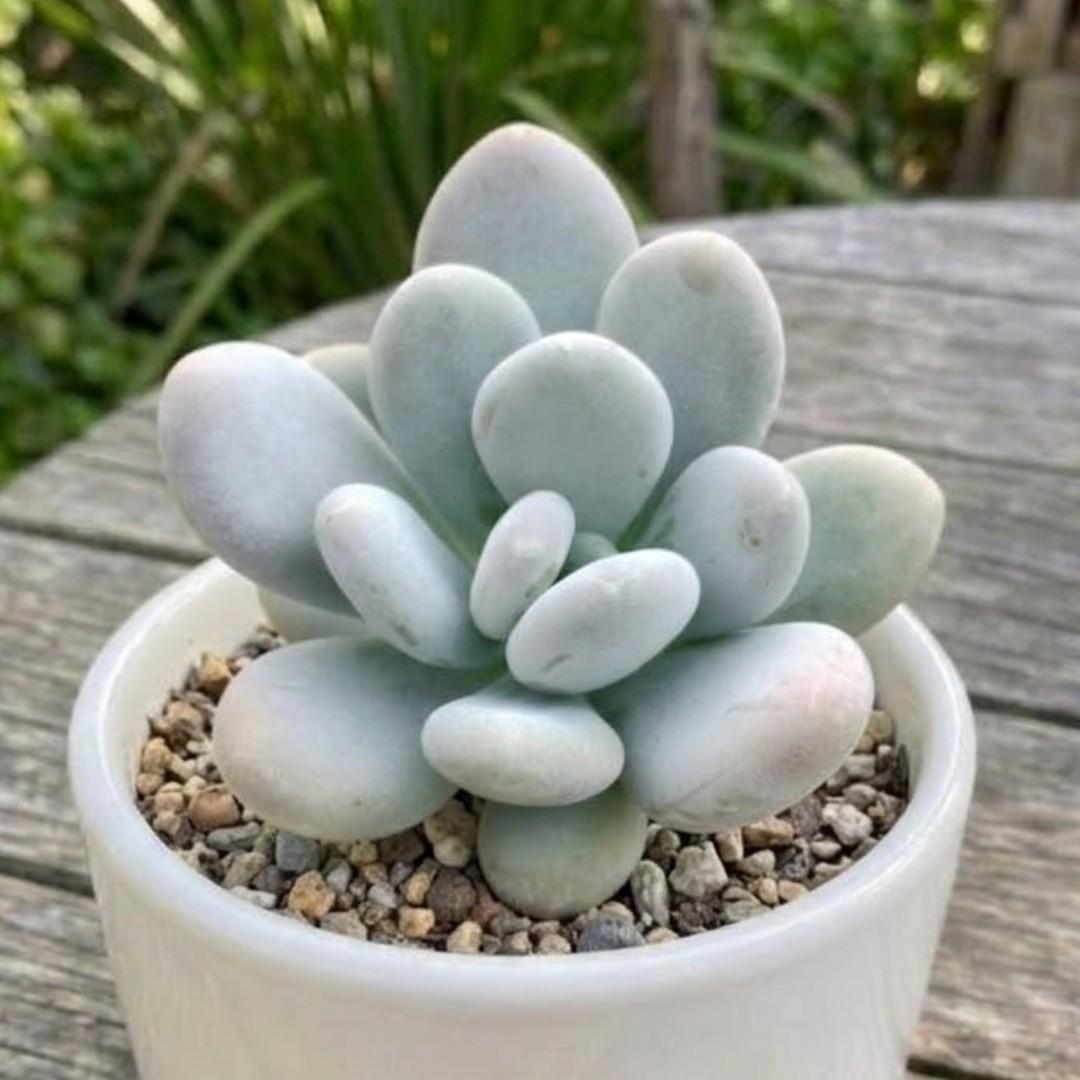
Moonstone typically refers to Pachyphytum oviferum, a beautiful and distinctive succulent known for its plump, smooth, and pastel-colored leaves that resemble moonstones. This plant is a favorite among succulent enthusiasts due to its unique appearance and relatively easy care requirements.
Key Characteristics of Pachyphytum Oviferum (Moonstone):
- Foliage: The leaves of Pachyphytum oviferum are thick, fleshy, and oval-shaped, resembling smooth pebbles or eggs. The leaves are usually a soft, pale blue or pink, with a powdery, waxy coating called a farina that gives them a frosted appearance. This coating also helps protect the plant from sunburn and moisture loss.
- Size: The plant typically grows as a compact rosette, with each rosette reaching about 2 to 4 inches (5 to 10 cm) in diameter. The overall height of the plant usually stays under 6 inches (15 cm), making it an excellent choice for small containers or as part of a succulent arrangement.
- Flowers: Pachyphytum oviferum may produce small, bell-shaped flowers on a long stalk that rises above the rosette in late winter or early spring. The flowers are typically a soft pink or orange, adding a lovely contrast to the plant’s pale leaves.
Care Tips for Pachyphytum Oviferum (Moonstone):
- Light: This succulent thrives in bright, indirect light to full sun. If grown indoors, place it near a sunny window, such as a south or west-facing window. Be mindful not to expose it to intense, direct sunlight for prolonged periods, especially in the summer, as this can cause the leaves to burn.
- Watering: Use the “soak and dry” method—water thoroughly when the soil is completely dry. The plant’s plump leaves store water, so it’s essential to avoid overwatering. Overwatering can lead to root rot and cause the leaves to become mushy or fall off.
- Soil: Plant Pachyphytum oviferum in well-draining soil, such as a cactus or succulent mix. Adding sand or perlite can help improve drainage and prevent water from sitting at the roots.
- Temperature: This plant prefers warm temperatures, ideally between 65°F and 80°F (18°C to 27°C). It can tolerate cooler temperatures down to about 40°F (4°C) but should be protected from frost.
- Propagation: Moonstones can be propagated easily from leaf cuttings, stem cuttings, or offsets. When propagating from leaves, gently twist a healthy leaf from the rosette, allow it to callous for a few days, and then place it on well-draining soil to root.
- Maintenance: Handle Pachyphytum oviferum with care, as its leaves are delicate and can easily be knocked off. If leaves fall off, they can be used to propagate new plants. Keep the plant in a dry, well-ventilated area to prevent rot and other moisture-related issues.
Related Products


To ensure maximum plant health and safe transit, succulents are shipped Bare-rooted (Without Pot).
🚚 Dispatch: Within 2-3 business days.
📹 Refund Policy: An Unboxing Video is compulsory for refund claims. Please report any issues within 24 hours of delivery.


To ensure maximum plant health and safe transit, succulents are shipped Bare-rooted (Without Pot).
🚚 Dispatch: Within 2-3 business days.
📹 Refund Policy: An Unboxing Video is compulsory for refund claims. Please report any issues within 24 hours of delivery.


⚠️ IMPORTANT DELIVERY NOTE
To ensure maximum plant health and safe transit, succulents are shipped Bare-rooted (Without Pot).
🚚 Dispatch: Within 2-3 business days.
📹 Refund Policy: An Unboxing Video is compulsory for refund claims. Please report any issues within 24 hours of delivery.
💧
Watering
Water only after soil dries fully
Sunlight
Bright direct to partial sunlight
Temperature
10°C–32°C
Pet Safety
Generally pet safe
Maintenance
Low maintenance
Growth
Approx. 70–85 mm rosette
Soil
Fast-draining cactus mix
Care Tip
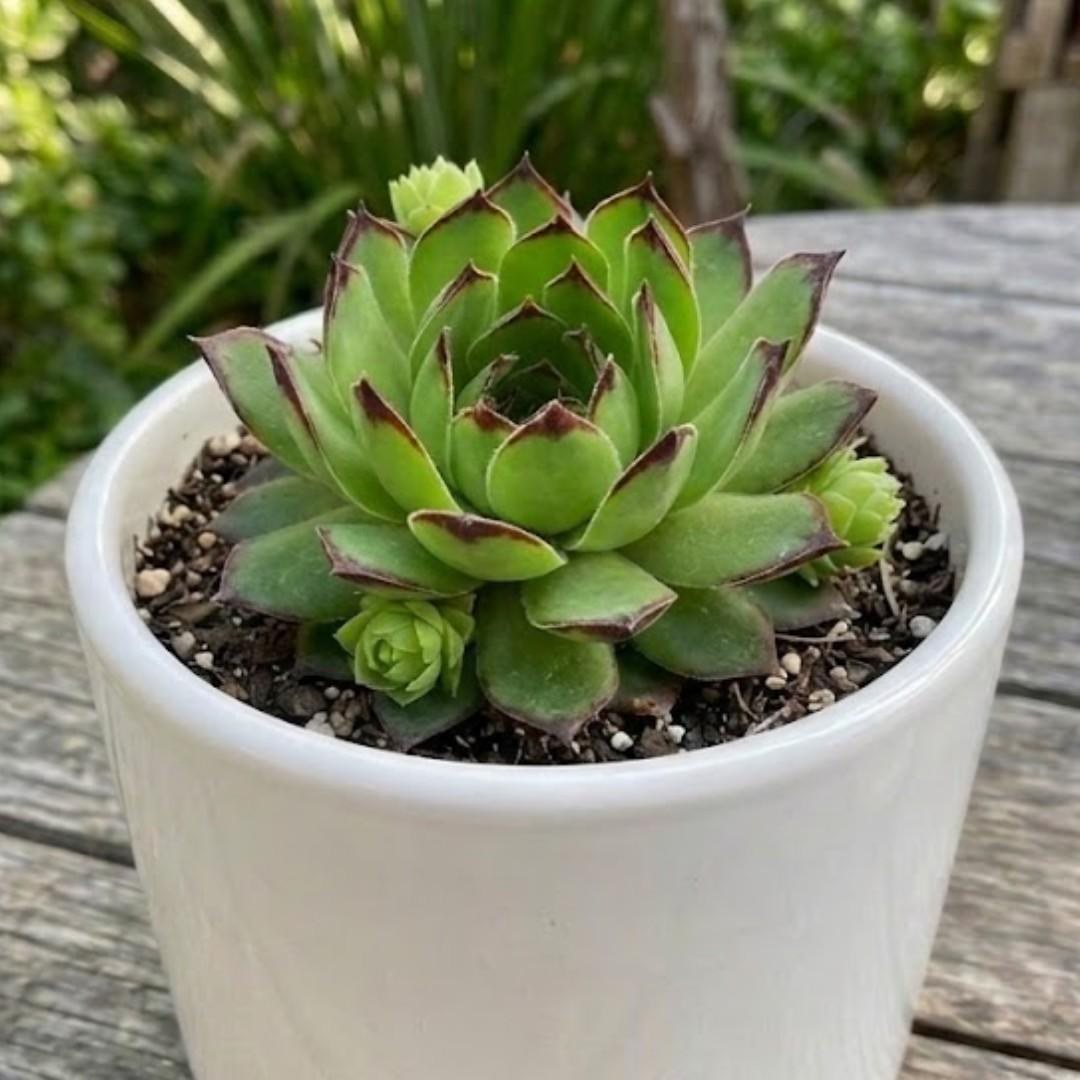
Red tips intensify in brighter light
Reviews
There are no reviews yet.