

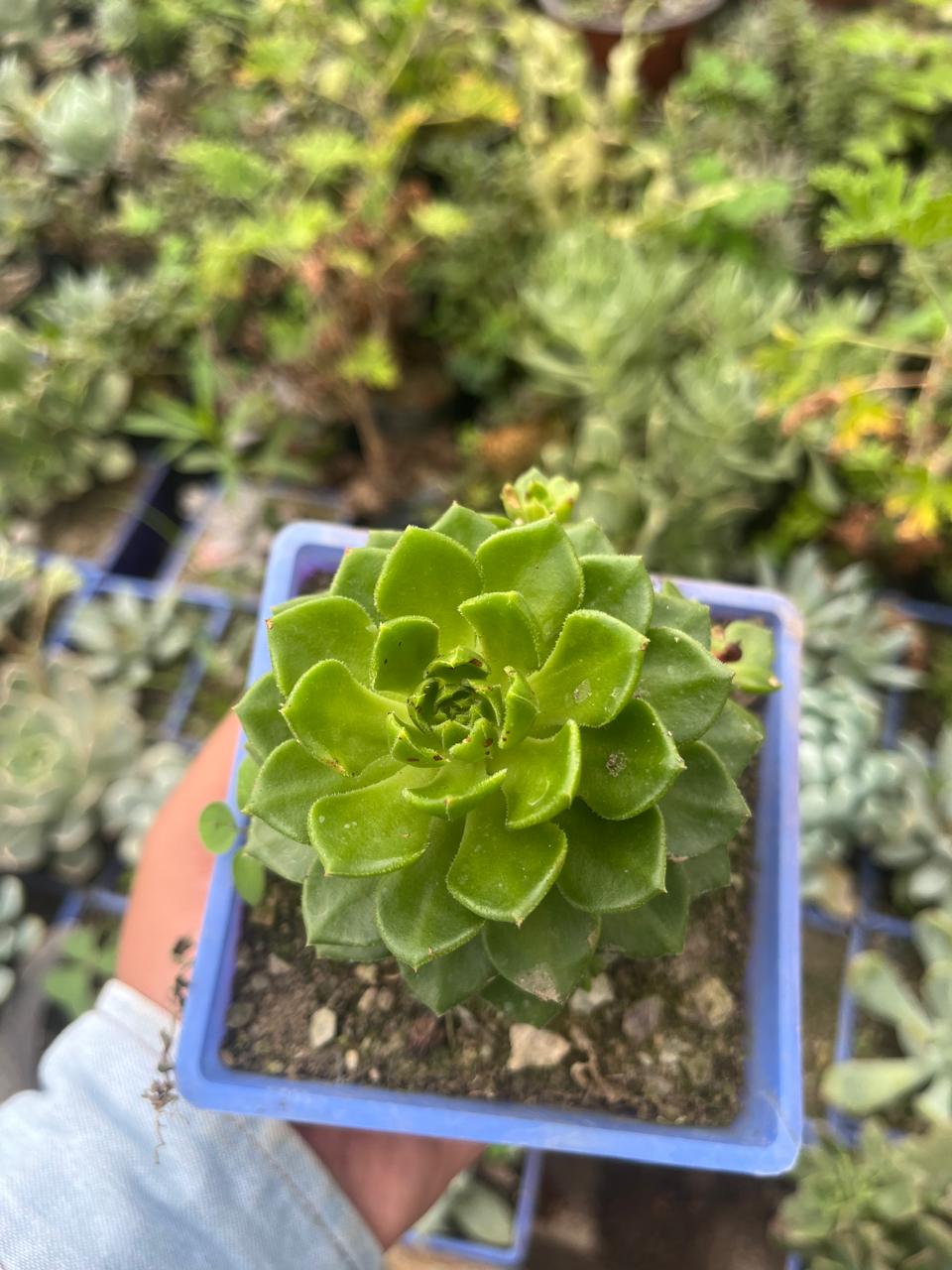
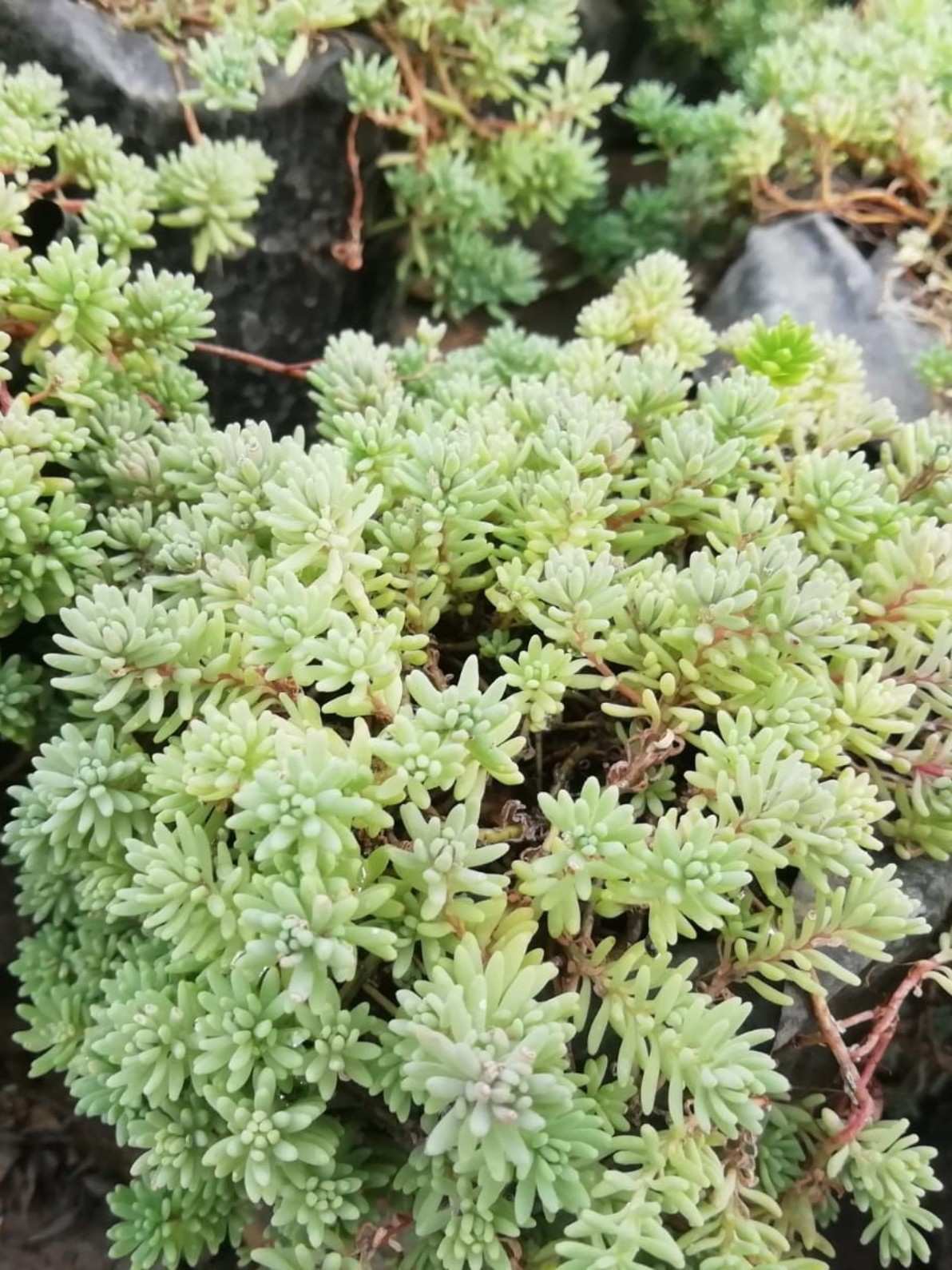
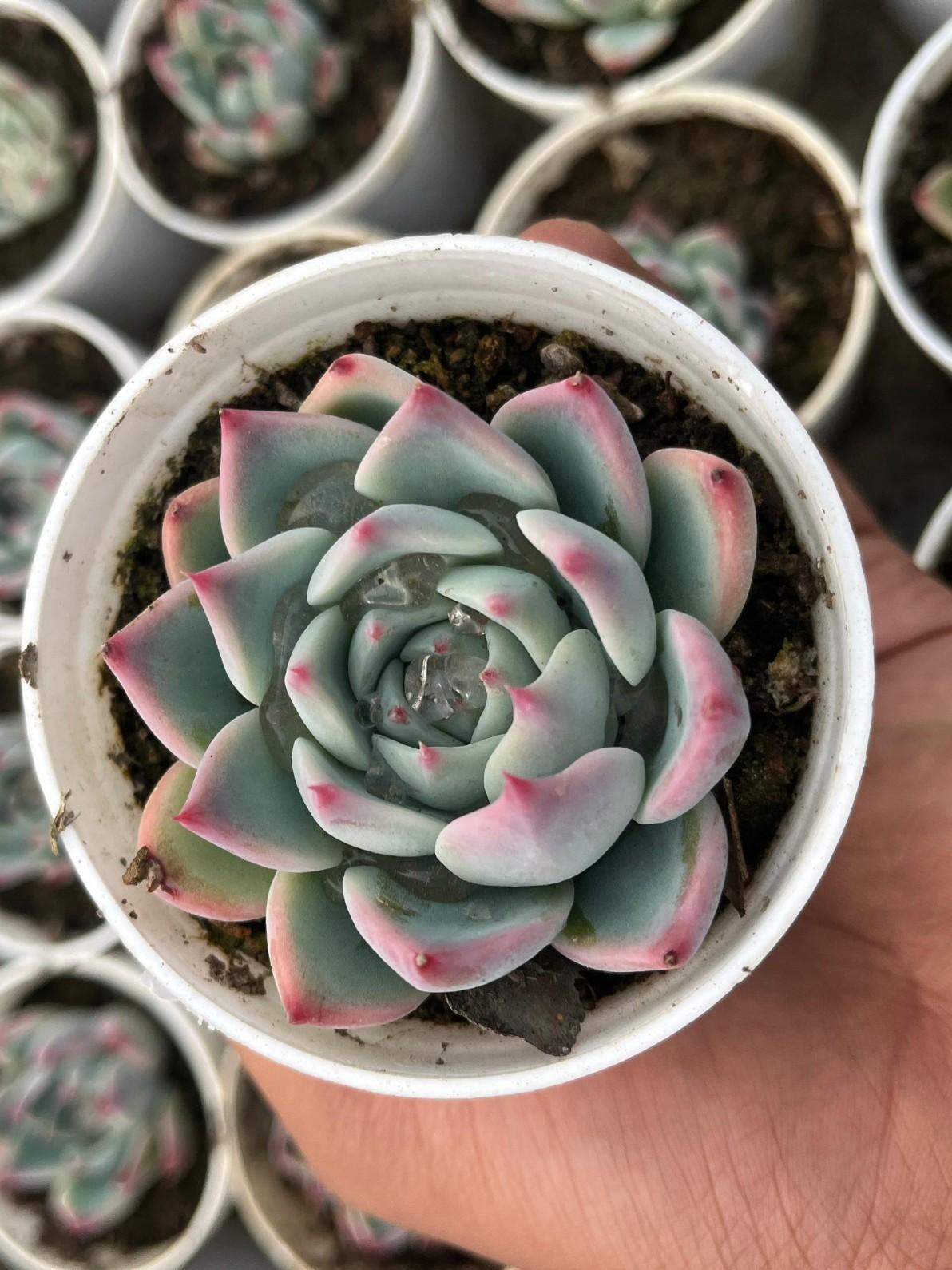
- Dispatch in 2-3 days
- Country of origin: India
- It’s Compulsory to make an unboxing video of the parcel for refunds within 24 hours.
- Bare Rooted
Molded wax refers to wax that has been melted, poured into a mold, and then allowed to cool and solidify to take on a specific shape. This technique is commonly used in various crafts and industries, particularly in candle-making, where wax is molded into different shapes and sizes to create decorative or functional candles.
Common Uses of Molded Wax:
- Candle Making:
- Molded wax is often used to create candles of various shapes, sizes, and designs. By using molds, candle makers can produce candles that range from simple pillars to intricate figures and patterns. The molds can be made from materials like silicone, metal, or plastic, and they allow for consistent shapes and details in each candle.
- Wax Sculptures:
- Wax is also used by artists and sculptors to create detailed models or sculptures. Because wax is soft and malleable when warm, it can be shaped with precision. Once it cools, it hardens, preserving the details of the sculpture. Wax models are sometimes used in the lost-wax casting process to create metal sculptures.
- Decorative Items:
- Molded wax can be used to create various decorative items such as wax flowers, figurines, or ornaments. These items can be colored, scented, or embellished with additional materials to enhance their aesthetic appeal.
- Cosmetics:
- In the cosmetics industry, molded wax is used to produce items like lip balms, lipsticks, and solid perfumes. The wax base is melted, mixed with other ingredients like oils, fragrances, and pigments, and then poured into molds to create the final product.
- Sealing Wax:
- Traditionally, molded wax has been used for sealing documents or letters. Sealing wax is melted, dripped onto the closure of a letter or document, and then stamped with a seal, which imprints a design or symbol into the wax as it hardens.
Types of Wax Used:
- Paraffin Wax:
- Commonly used in candle making, it is a petroleum-based wax that is versatile and relatively inexpensive.
- Beeswax:
- A natural wax produced by honeybees, often used in candles, cosmetics, and polish. Beeswax is prized for its natural scent and smooth texture.
- Soy Wax:
- A vegetable-based wax made from soybeans, often used as an eco-friendly alternative to paraffin wax in candles.
- Palm Wax:
- Another vegetable-based wax, derived from palm oil, used for making candles with unique crystalline patterns.
- Gel Wax:
- A translucent wax used to create candles that resemble liquids or contain embedded objects.
How to Mold Wax:
- Prepare the Mold:
- Choose a mold that suits the desired shape of your wax product. If using a rigid mold, apply a mold release agent to make it easier to remove the wax once it has hardened.
- Melt the Wax:
- Heat the wax in a double boiler or a wax melting pot until it is fully melted. The temperature required will depend on the type of wax being used.
- Add Color/Fragrance (Optional):
- If you wish to add color or fragrance to the wax, mix in dye chips, liquid dye, or fragrance oil once the wax is melted.
- Pour the Wax:
- Carefully pour the melted wax into the prepared mold. If making candles, ensure the wick is properly positioned in the mold before pouring.
- Cool and Remove:
- Allow the wax to cool and solidify completely. The time required will vary depending on the size and thickness of the wax. Once fully hardened, gently remove the wax from the mold.
- Finish the Product:
- Trim any excess material, smooth out rough edges, and if making candles, trim the wick to the desired length.
Molded wax products can be both functional and decorative, making them popular in a variety of applications from home décor to personal care.
Related Products
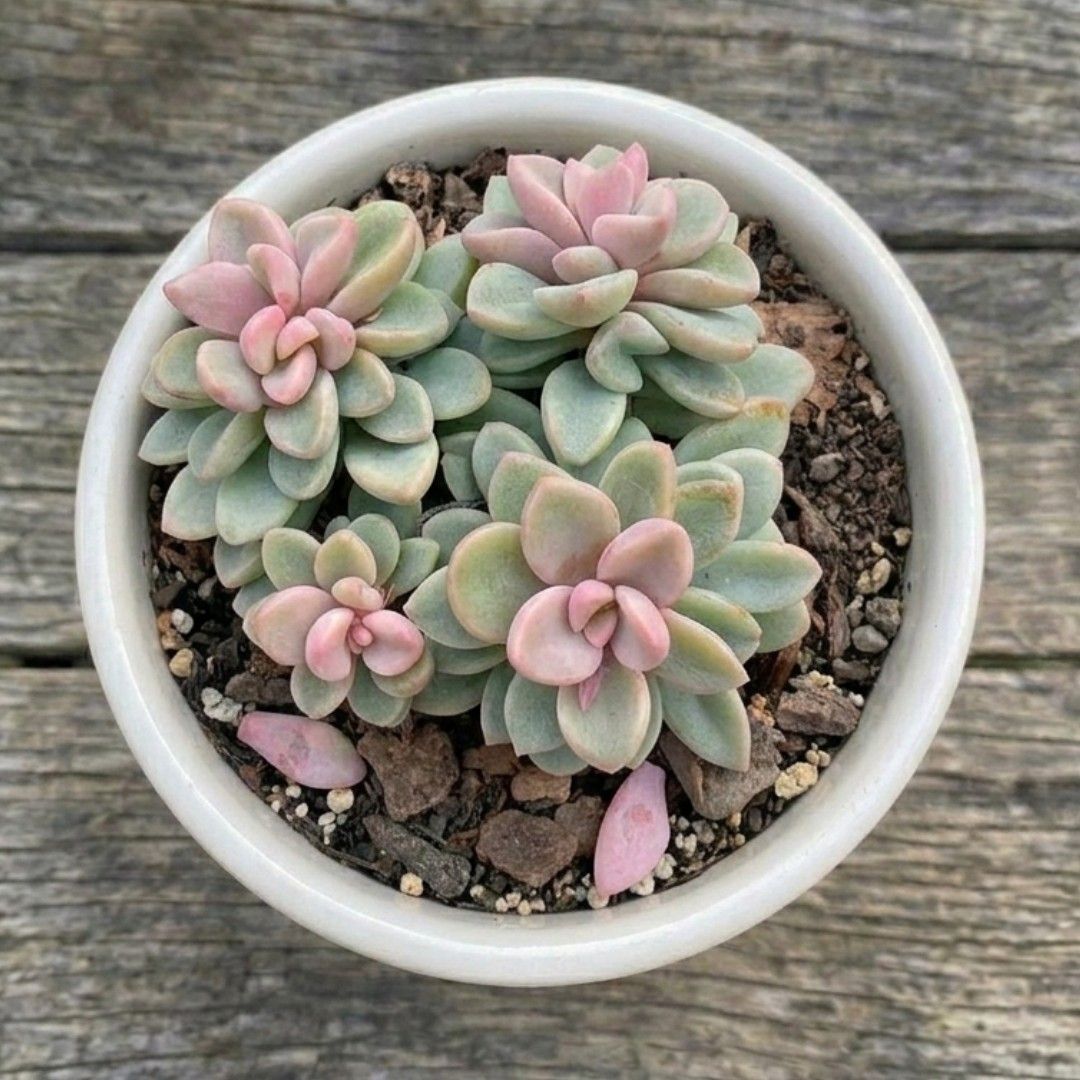

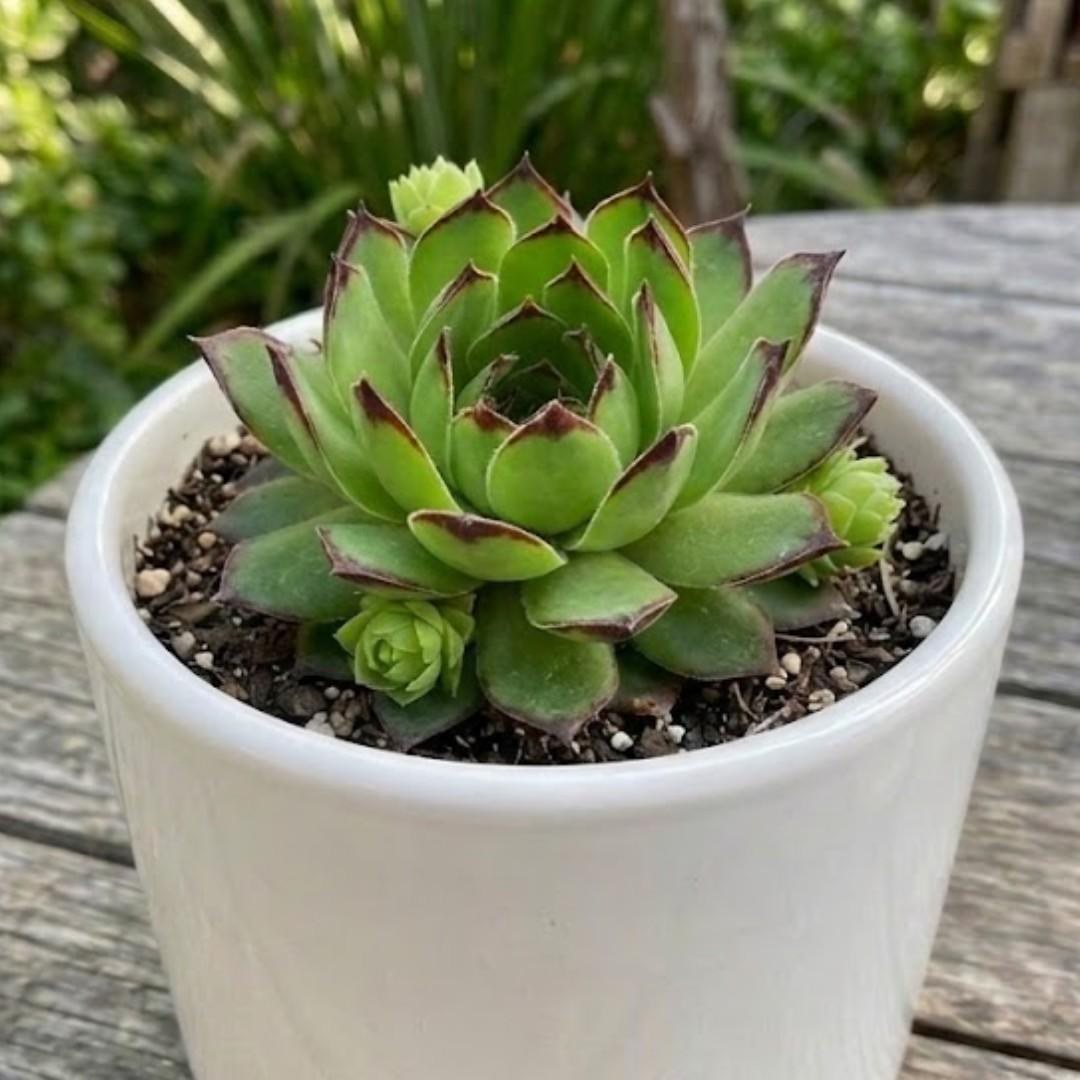
⚠️ IMPORTANT DELIVERY NOTE
To ensure maximum plant health and safe transit, succulents are shipped Bare-rooted (Without Pot).
🚚 Dispatch: Within 2-3 business days.
📹 Refund Policy: An Unboxing Video is compulsory for refund claims. Please report any issues within 24 hours of delivery.
💧
Watering
Water only after soil dries fully
Sunlight
Bright direct to partial sunlight
Temperature
10°C–32°C
Pet Safety
Generally pet safe
Maintenance
Low maintenance
Growth
Approx. 70–85 mm rosette
Soil
Fast-draining cactus mix
Care Tip
Red tips intensify in brighter light

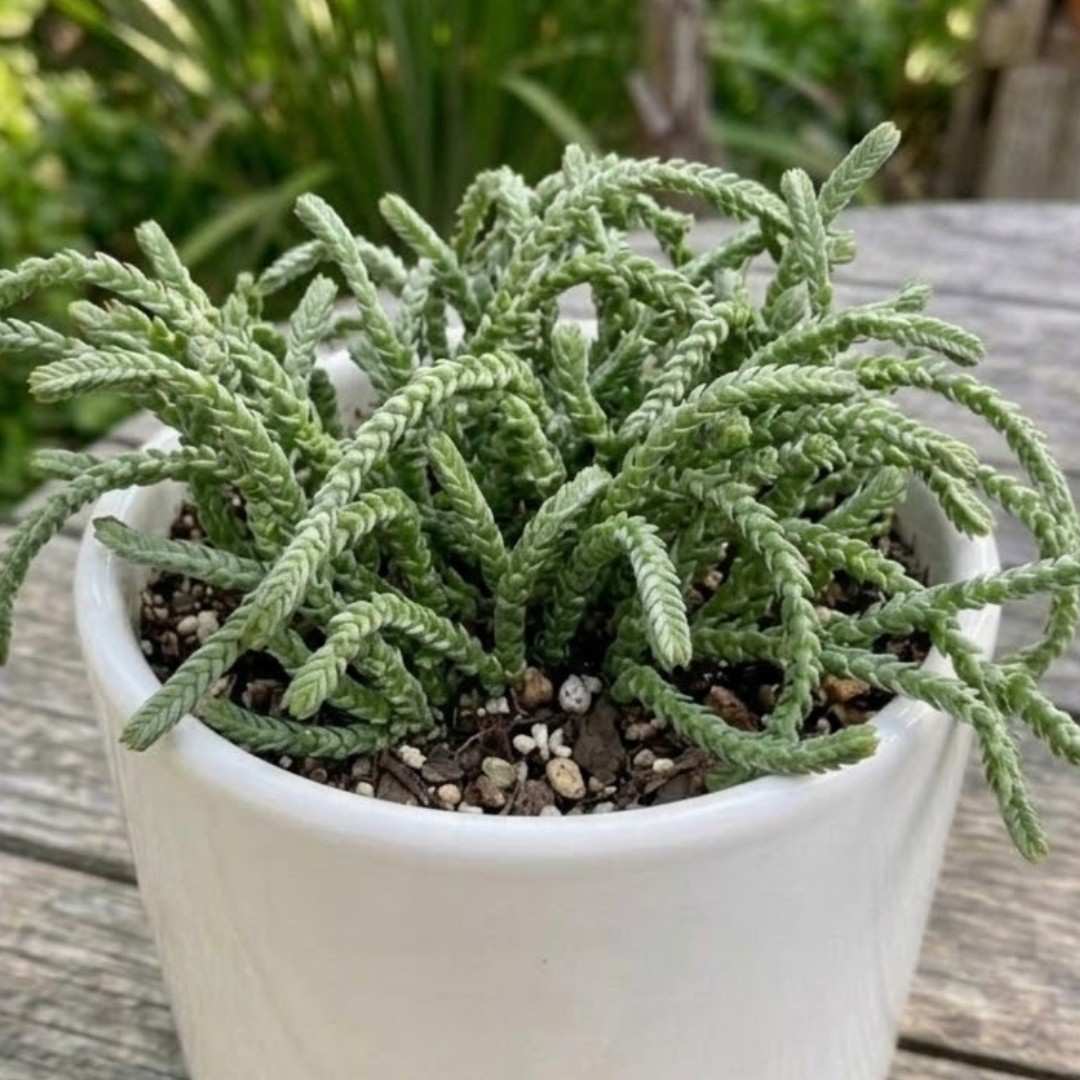
To ensure maximum plant health and safe transit, succulents are shipped Bare-rooted (Without Pot).
🚚 Dispatch: Within 2-3 business days.
📹 Refund Policy: An Unboxing Video is compulsory for refund claims. Please report any issues within 24 hours of delivery.
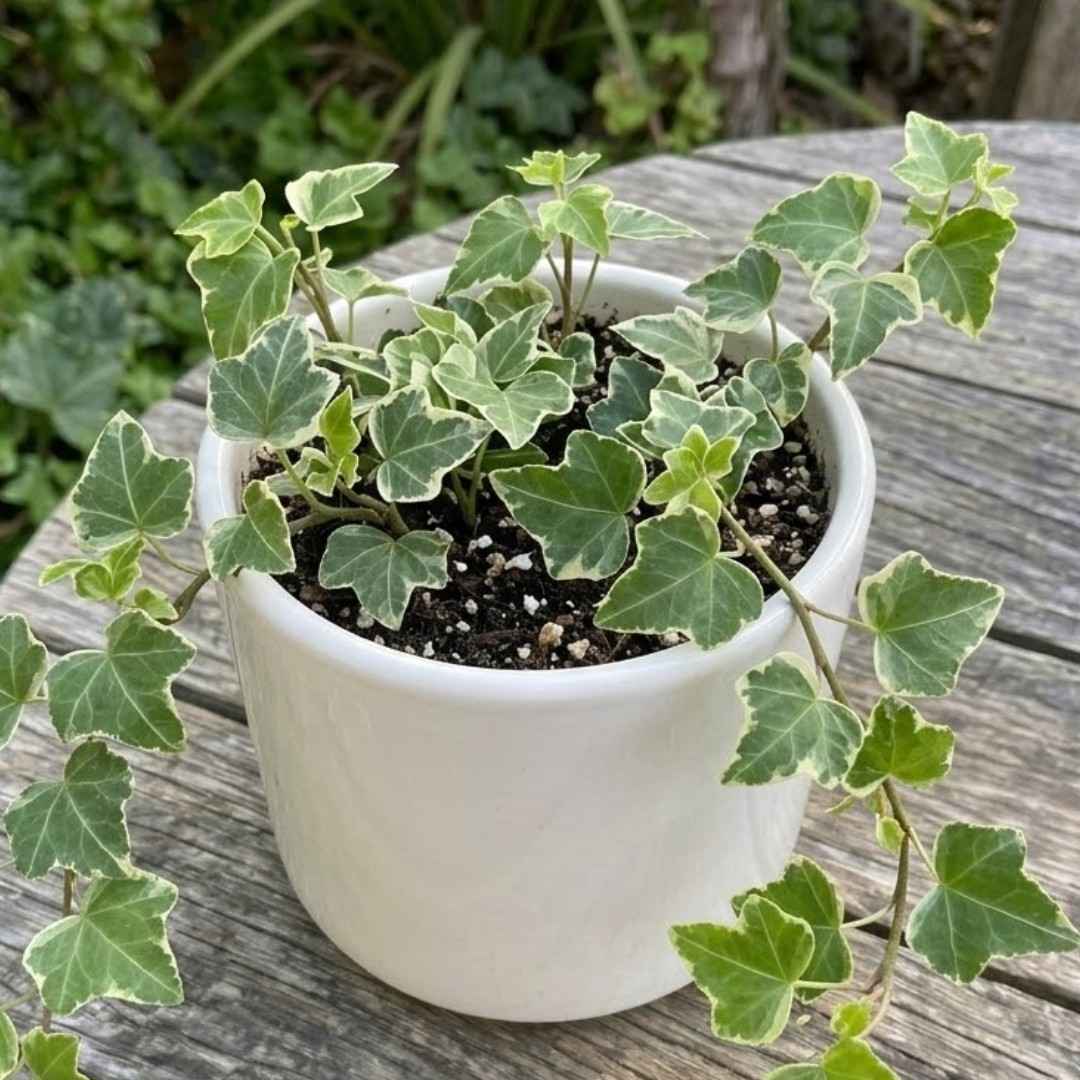
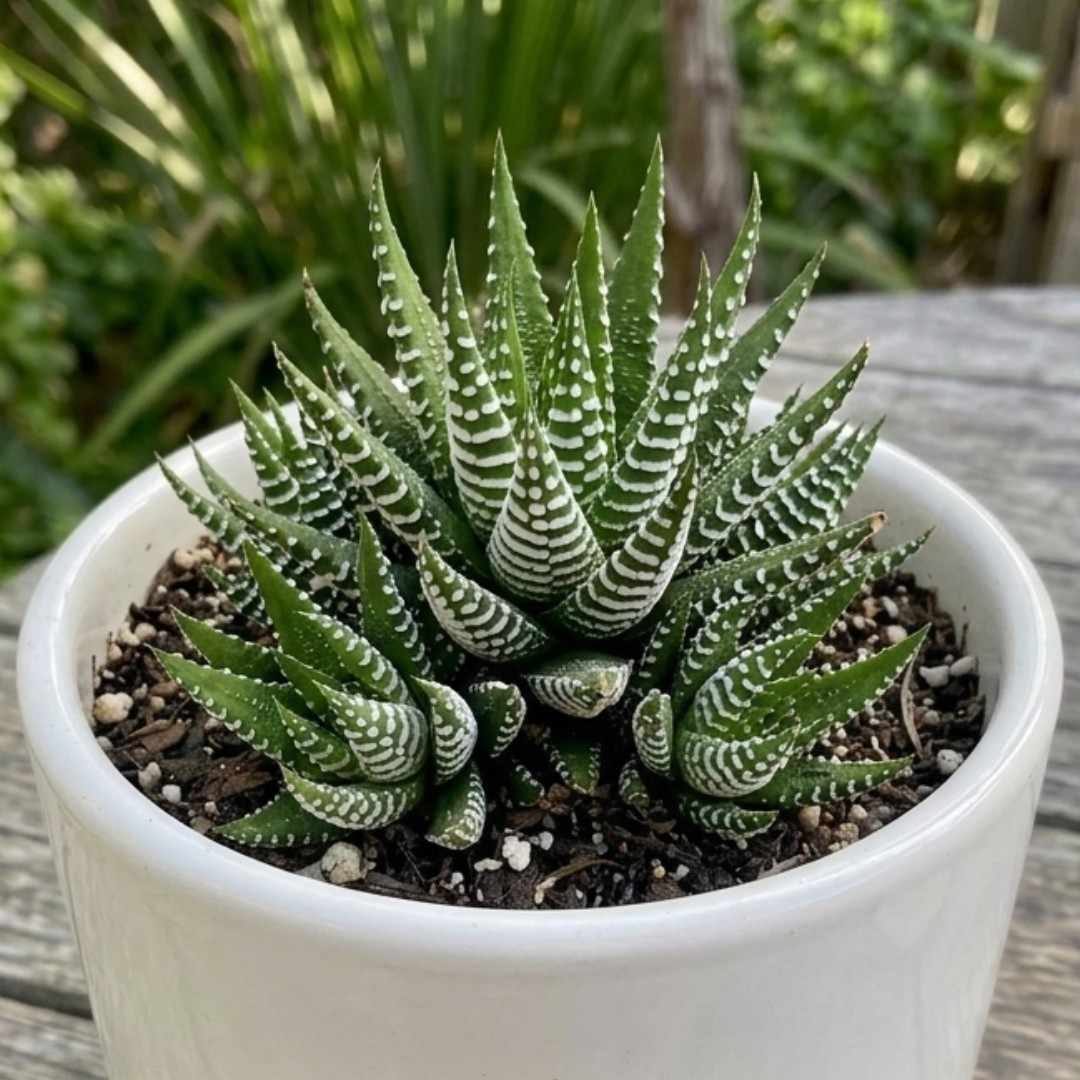

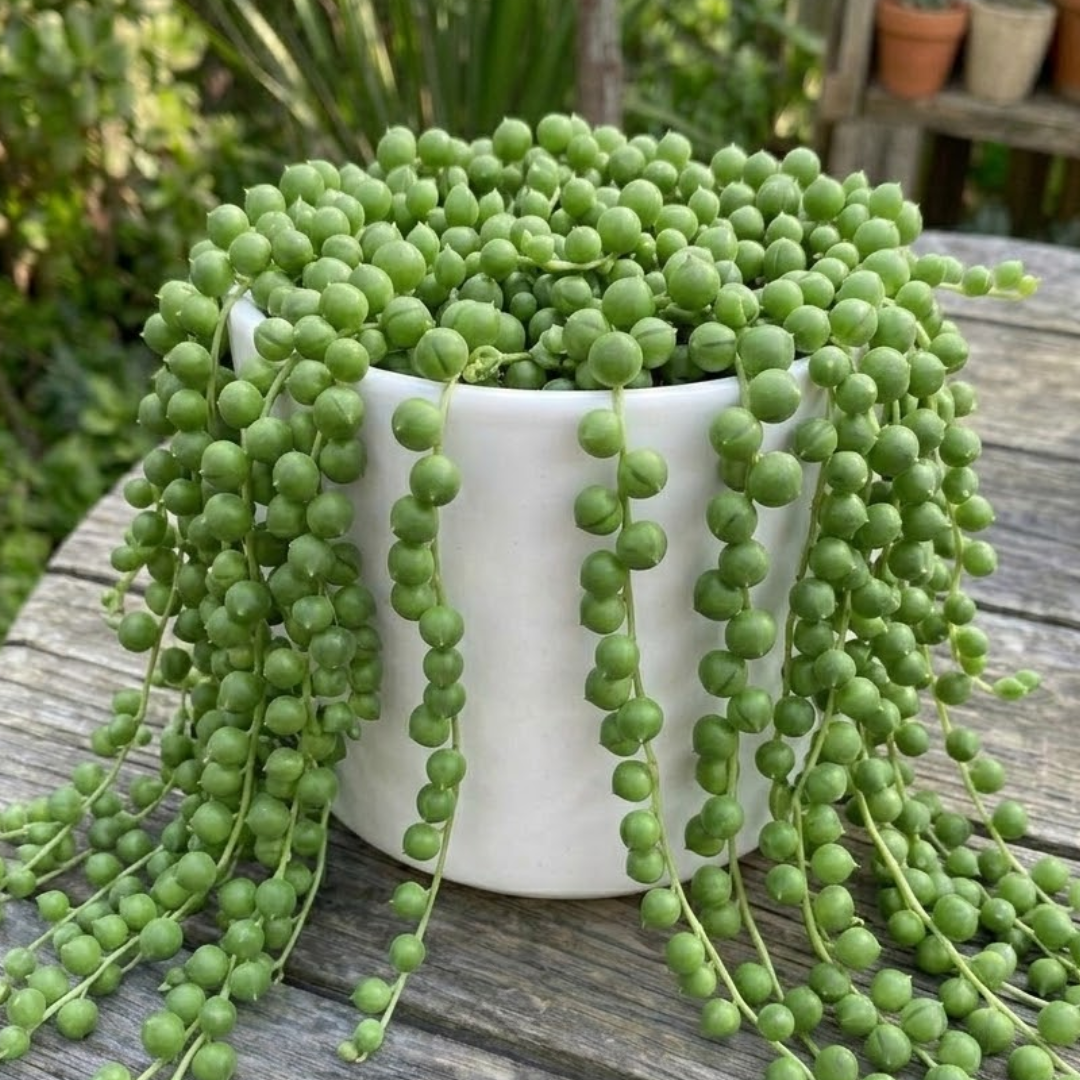

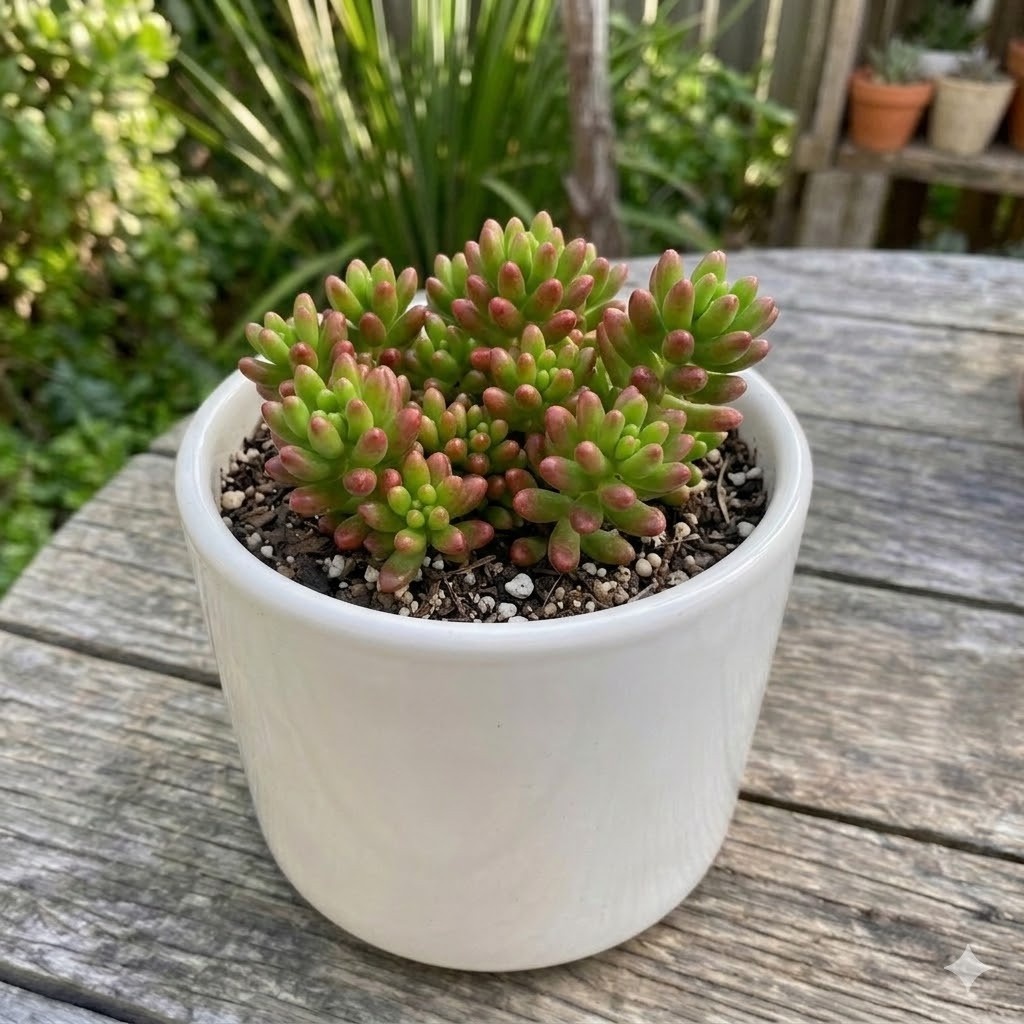
To ensure maximum plant health and safe transit, succulents are shipped Bare-rooted (Without Pot).
🚚 Dispatch: Within 2-3 business days.
📹 Refund Policy: An Unboxing Video is compulsory for refund claims. Please report any issues within 24 hours of delivery.

Reviews
There are no reviews yet.