


- Dispatch in 2-3 days
- Country of origin: India
- It’s Compulsory to make an unboxing video of the parcel for refunds within 24 hours.
- Bare Rooted
Mammillaria pringlei is a fascinating and distinctive cactus species known for its unique appearance and growth habit. Here’s a detailed overview:
Appearance:
- Spines: Mammillaria pringlei is characterized by its long, thin, and flexible spines that are often white or pale yellow. The spines are arranged in clusters and can give the plant a somewhat soft appearance despite being a cactus.
- Body: The cactus has a globular to cylindrical shape, with a typically cylindrical or slightly ribbed body. It can grow to about 10-15 cm (4-6 inches) in height and width.
- Areoles: The spines emerge from areoles, which are small, round, and slightly raised areas on the cactus surface. The areoles are typically spaced evenly around the body of the cactus.
Growth:
- Shape: Mammillaria pringlei grows in a somewhat rounded or cylindrical form, with a more or less symmetrical appearance. It can develop multiple heads or offsets over time.
- Rate: The plant grows relatively slowly but steadily, producing new stems or offsets from the base or sides of the cactus.
Flowers:
- Blooming Period: The cactus usually produces flowers in the spring or summer.
- Flowers: The flowers are small, funnel-shaped, and typically white or pale pink. They appear in clusters around the top of the cactus, adding a delicate touch to its appearance.
Care:
- Light: Mammillaria pringlei prefers bright, indirect light but can tolerate some direct sunlight. It thrives in bright conditions, which help maintain its compact form and healthy growth.
- Soil: Use a well-draining cactus or succulent mix. Good drainage is essential to prevent root rot and other issues.
- Watering: Water the plant only when the soil is completely dry. Overwatering can lead to root rot, so ensure the soil dries out between waterings. Reduce watering during the winter months when the cactus is less active.
- Temperature: It prefers warm temperatures and is sensitive to frost. Ideal temperatures are between 15-25°C (60-75°F). Protect it from cold temperatures and ensure it has adequate warmth throughout the year.
Propagation:
- Offsets: Mammillaria pringlei can be propagated from offsets or “pups” that grow around the base of the plant. These can be gently separated and potted up.
- Seed: It can also be propagated from seeds, although this method is slower. Sow seeds in a well-draining soil mix and keep them in a warm, bright location until they germinate.
Mammillaria pringlei is valued for its unique spines and attractive flowers. Its relatively easy care and distinctive appearance make it a popular choice among cactus enthusiasts and collectors.
Related Products
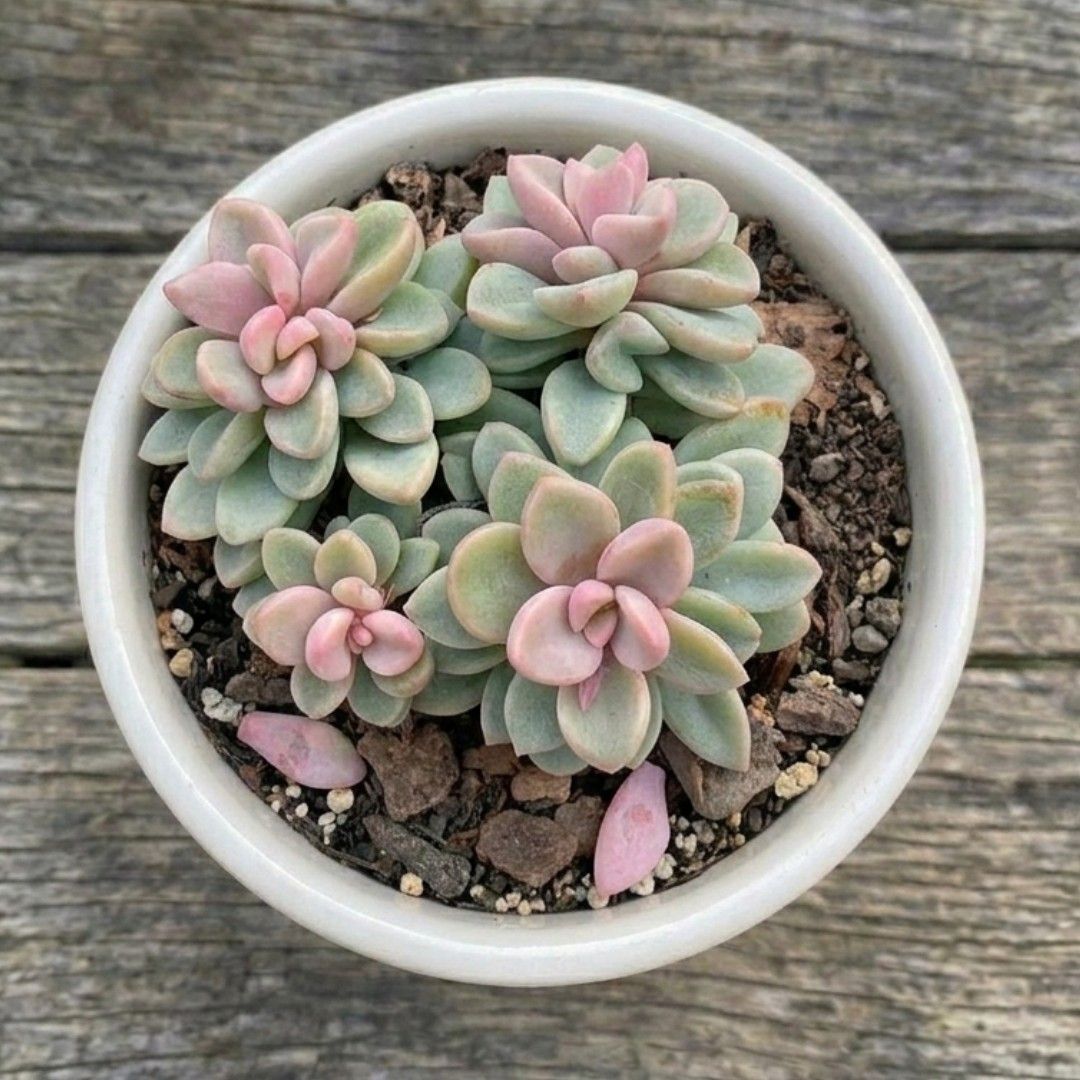
Graptopetalum
Original price was: ₹129.₹59Current price is: ₹59.
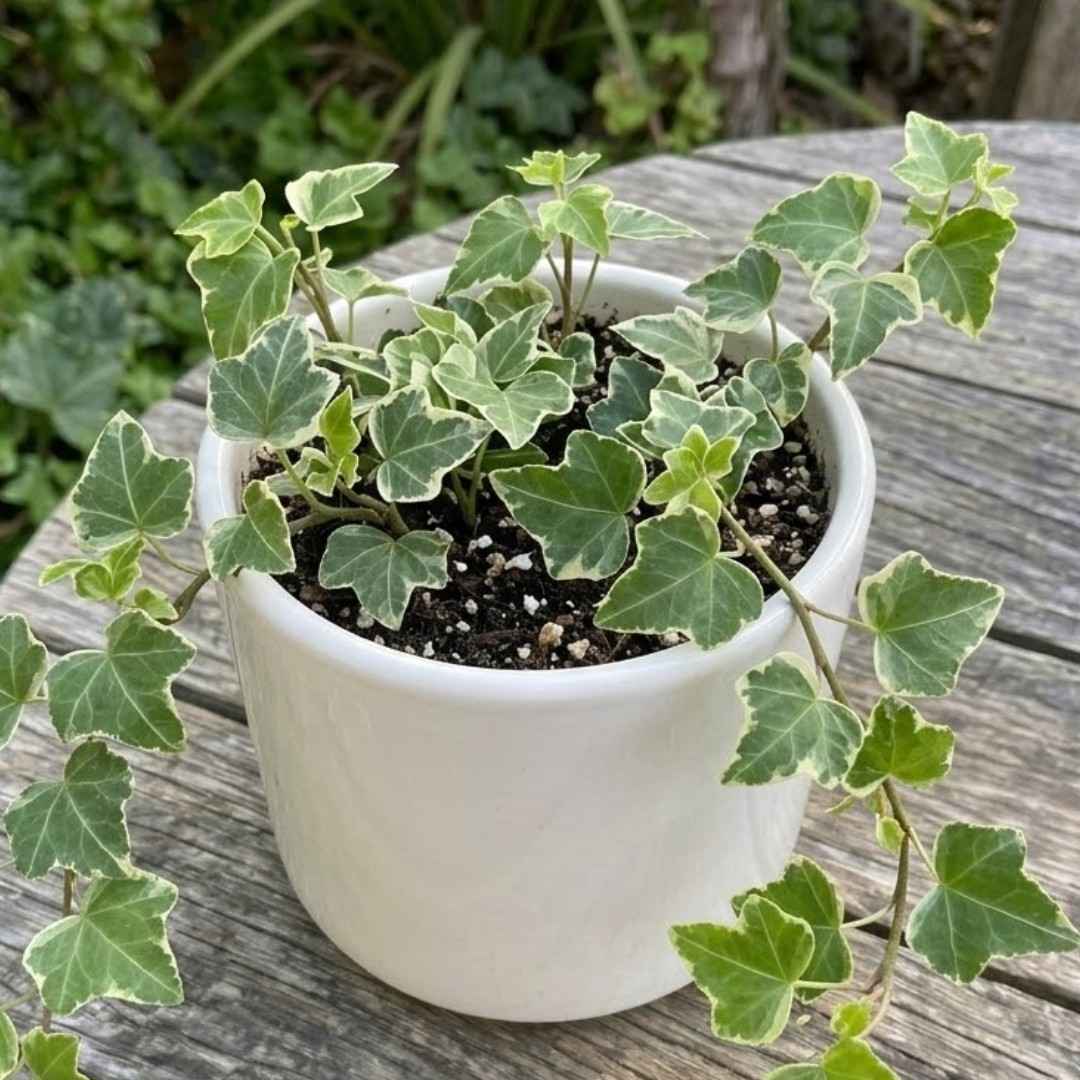
English Ivy
Original price was: ₹69.₹49Current price is: ₹49.
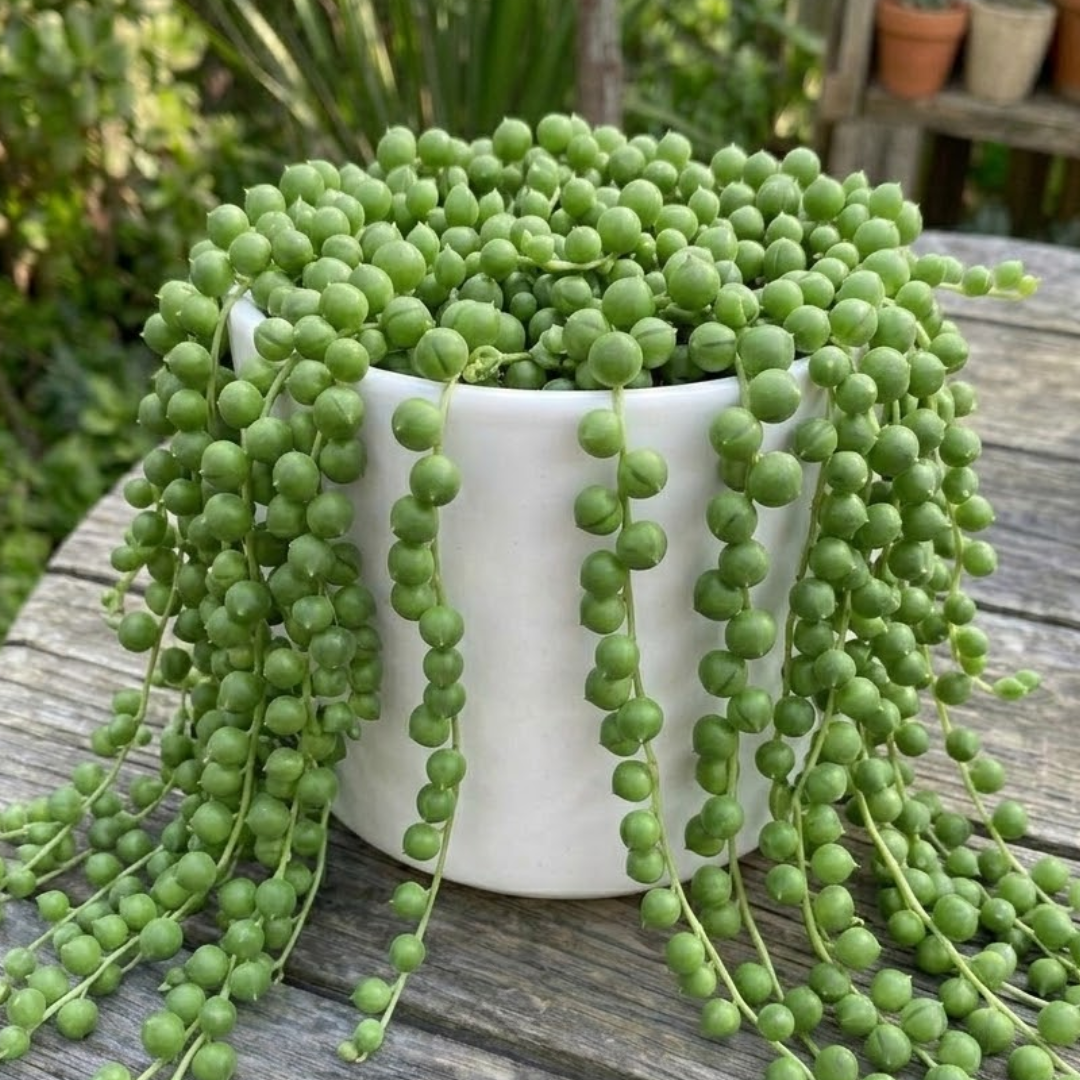
String of pearls
Original price was: ₹139.₹59Current price is: ₹59.
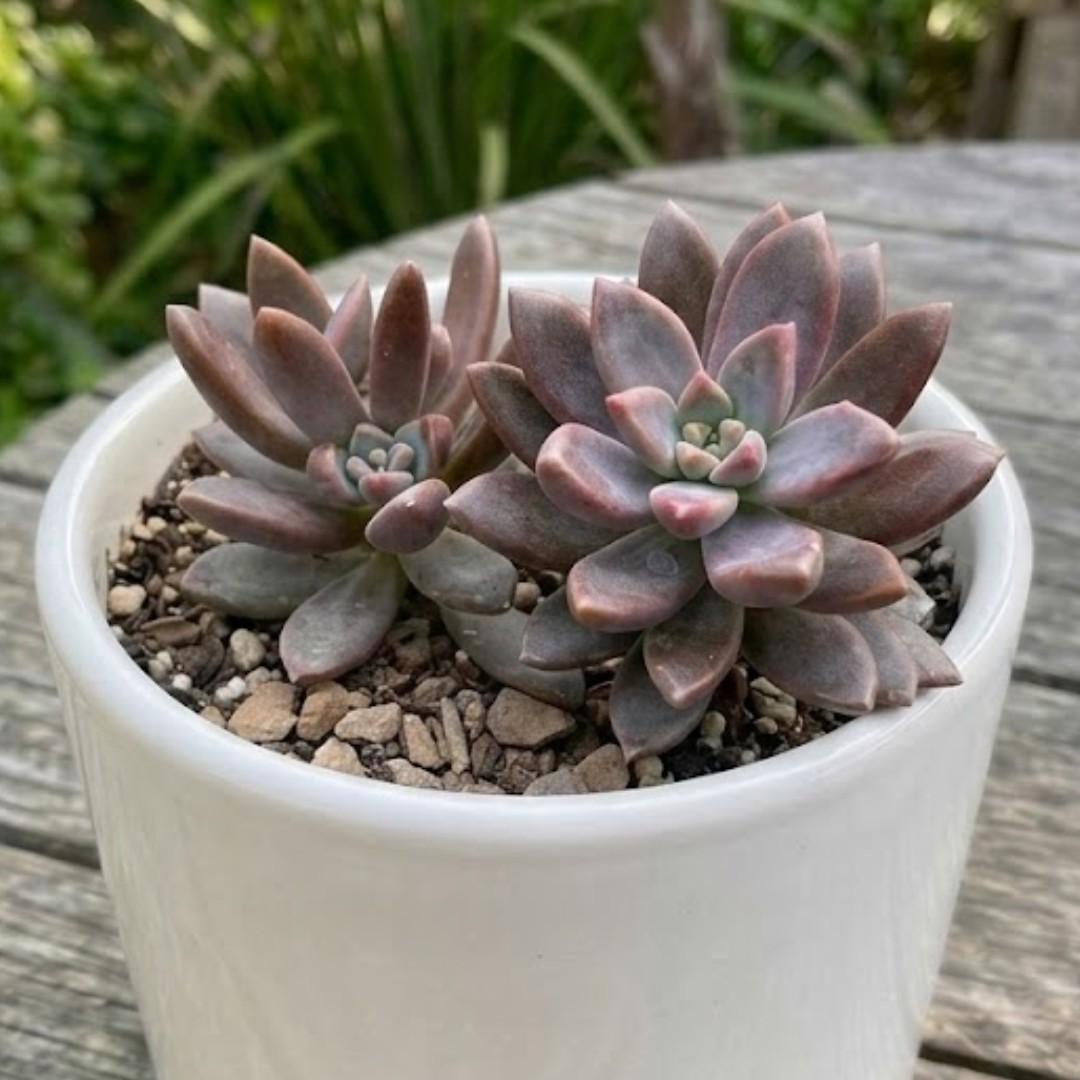
Chocolate Sedum
Original price was: ₹109.₹79Current price is: ₹79.

Aloe ‘Pepe’
Original price was: ₹189.₹99Current price is: ₹99.

Adramischus cooperi
Original price was: ₹199.₹89Current price is: ₹89.
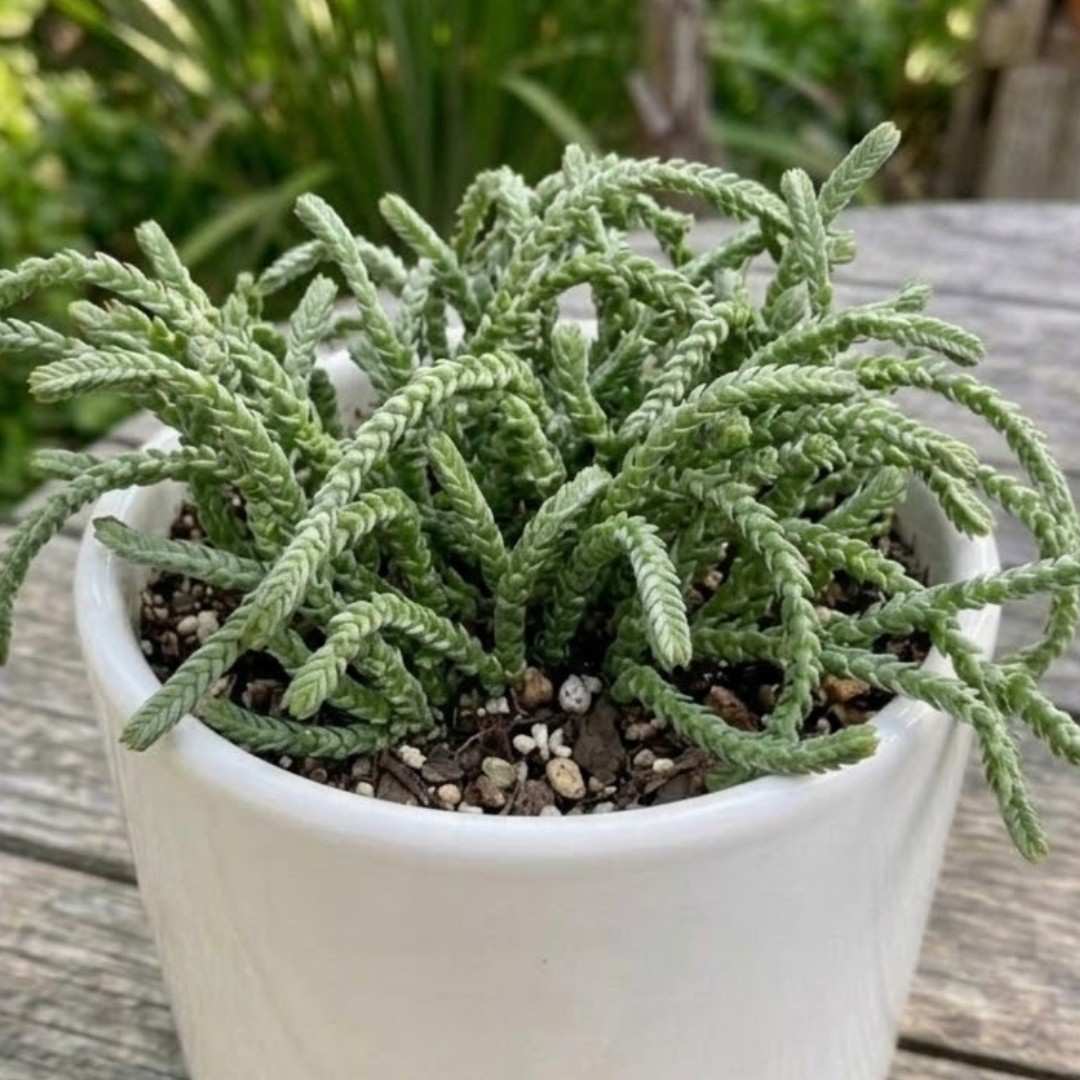
Rattail Crassula
Original price was: ₹99.₹45Current price is: ₹45.
⚠️ IMPORTANT DELIVERY NOTE
To ensure maximum plant health and safe transit, succulents are shipped Bare-rooted (Without Pot).
🚚 Dispatch: Within 2-3 business days.
📹 Refund Policy: An Unboxing Video is compulsory for refund claims. Please report any issues within 24 hours of delivery.
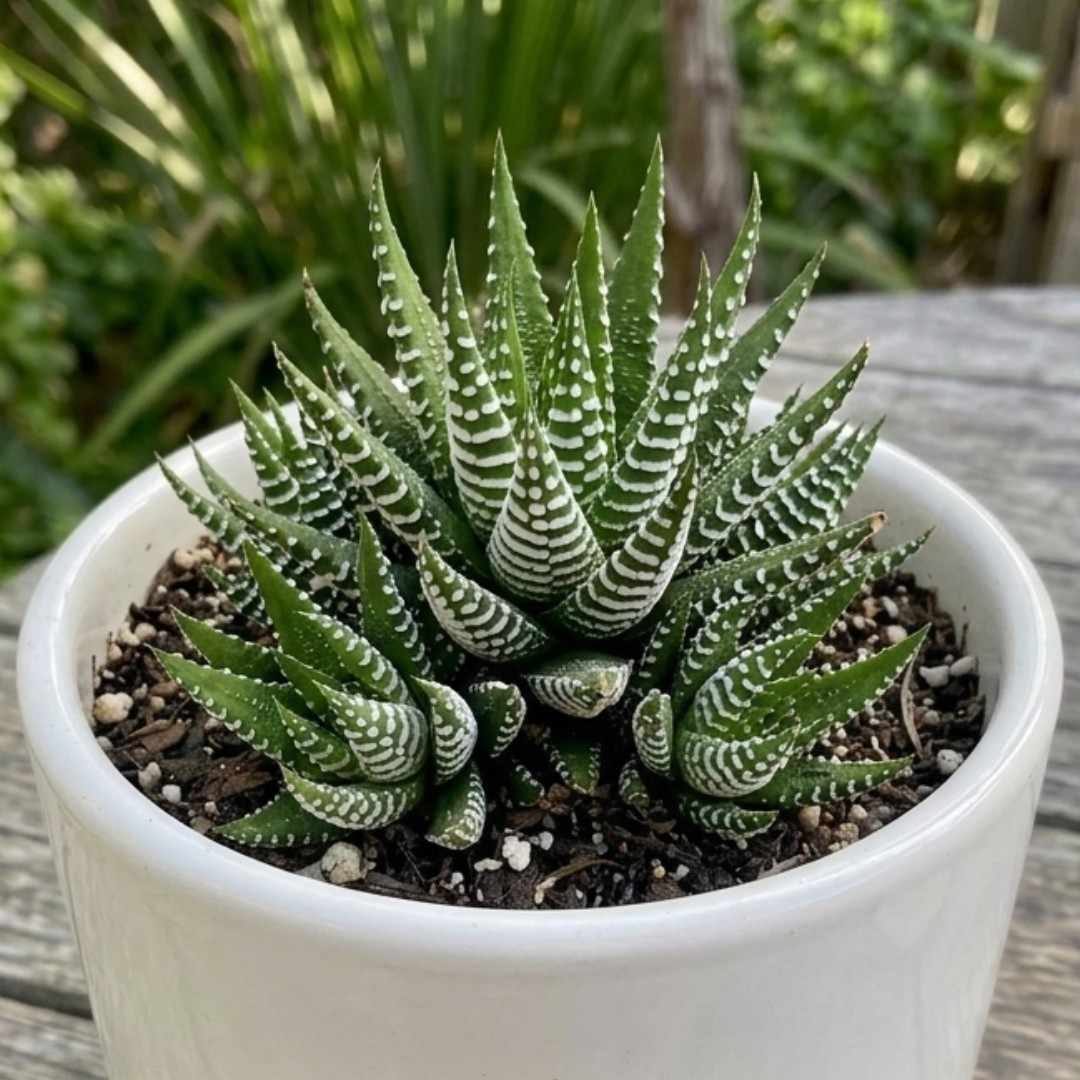
Zebra Haworthia
Original price was: ₹149.₹79Current price is: ₹79.

Variegated Jade Plant, Crassula ovata
Original price was: ₹219.₹129Current price is: ₹129.

Haworthia limifolia
Original price was: ₹199.₹109Current price is: ₹109.

Sempervivum Calcereum
Original price was: ₹219.₹129Current price is: ₹129.

Echeveria elegans
Original price was: ₹219.₹99Current price is: ₹99.
Reviews
There are no reviews yet.