



- Dispatch in 2-3 days
- Country of origin: India
- It’s Compulsory to make an unboxing video of the parcel for refunds within 24 hours.
- Bare Rooted
Mammillaria elongata, commonly known as the Gold Lace Cactus or Ladyfinger Cactus, is a popular and easy-to-grow cactus species native to central Mexico. It is well-loved by both novice and experienced cactus collectors for its unique shape, attractive spines, and small size.
Characteristics of Mammillaria elongata
- Shape and Size: Mammillaria elongata is a cylindrical cactus that typically grows in clusters, forming dense mats over time. Each individual stem is elongated, reaching up to 6 inches (15 cm) in length and about 1 inch (2.5 cm) in diameter. The stems are covered in small, rounded tubercles rather than ribs, which is characteristic of the Mammillaria genus.
- Spines: The cactus is densely covered in short, fine spines that range in color from golden-yellow to reddish-brown, giving the plant a soft, fuzzy appearance. The spines are arranged in star-shaped patterns on each tubercle, creating an intricate and delicate texture.
- Flowers: In spring or early summer, Mammillaria elongata produces small, funnel-shaped flowers that are usually white, yellow, or light pink. The flowers form a ring near the top of each stem, creating a crown-like effect.
Care Requirements
- Light: Mammillaria elongata thrives in bright, indirect light. It can tolerate some direct sunlight, especially in the morning or late afternoon, but it may need protection from intense midday sun, which can scorch the plant. If grown indoors, place it near a sunny window, such as a south or east-facing window.
- Watering: Water Mammillaria elongata sparingly, following the “soak and dry” method. Allow the soil to dry out completely between waterings. Overwatering is the most common cause of problems with this cactus, as it can lead to root rot. Reduce watering during the winter months when the plant is dormant.
- Soil: Use a well-draining cactus or succulent mix to prevent water from accumulating around the roots. You can improve drainage by adding perlite, coarse sand, or pumice to the soil.
- Temperature: This cactus prefers warm temperatures and should be protected from frost. It thrives in temperatures between 60-80°F (16-27°C). If you live in a region with cold winters, consider bringing the cactus indoors or providing frost protection.
- Fertilizer: Feed Mammillaria elongata with a cactus-specific fertilizer diluted to half strength during the growing season (spring and summer). Fertilize once a month, and avoid feeding during the winter.
- Propagation: Mammillaria elongata can be easily propagated through offsets, which are small pups that grow around the base of the parent plant. Gently remove the offsets and allow them to callous over for a few days before planting them in well-draining soil.
Growing Tips
- Container Choice: Choose a pot with good drainage holes to prevent waterlogging. Terracotta pots are a good option as they allow the soil to dry out more quickly.
- Clustering: Over time, Mammillaria elongata will produce clusters, creating a dense and attractive mat of cylindrical stems. This growth habit makes it an excellent choice for container gardens or rock gardens.
- Minimal Maintenance: This cactus is very low-maintenance and requires little care beyond basic watering and sunlight.
Benefits of Growing Mammillaria elongata
- Unique Appearance: The cylindrical stems and dense, golden spines give Mammillaria elongata a distinctive and ornamental appearance.
- Easy Propagation: The plant readily produces offsets, making it easy to propagate and share with others.
- Compact Size: Its small size and clustering habit make it ideal for small spaces, such as windowsills, desks, or container gardens.
Mammillaria elongata is a charming and easy-to-care-for cactus that adds a touch of desert beauty to any indoor or outdoor space. Whether you’re a beginner or a seasoned cactus enthusiast, this plant is sure to be a delightful addition to your collection.
Related Products
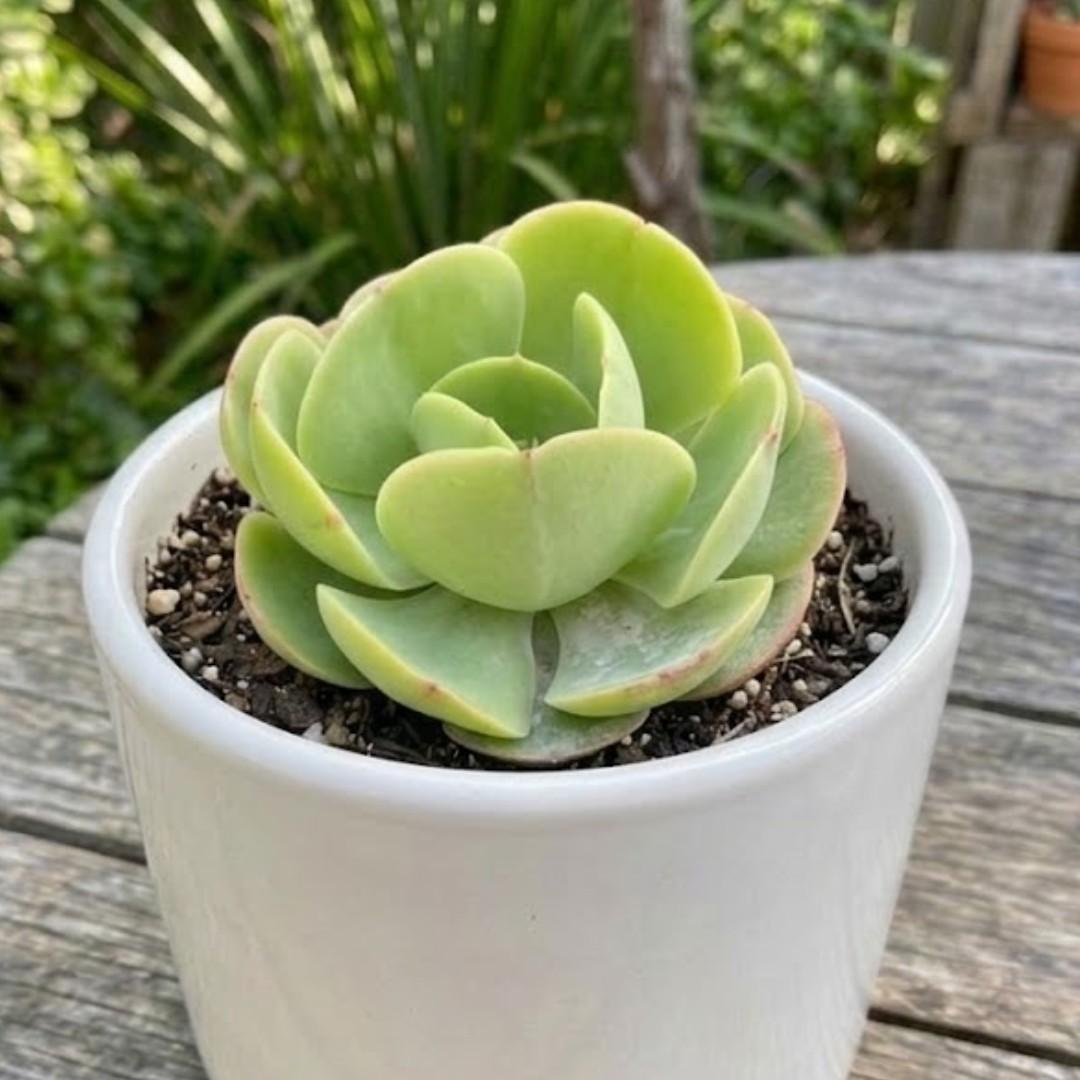
To ensure maximum plant health and safe transit, succulents are shipped Bare-rooted (Without Pot).
🚚 Dispatch: Within 2-3 business days.
📹 Refund Policy: An Unboxing Video is compulsory for refund claims. Please report any issues within 24 hours of delivery.


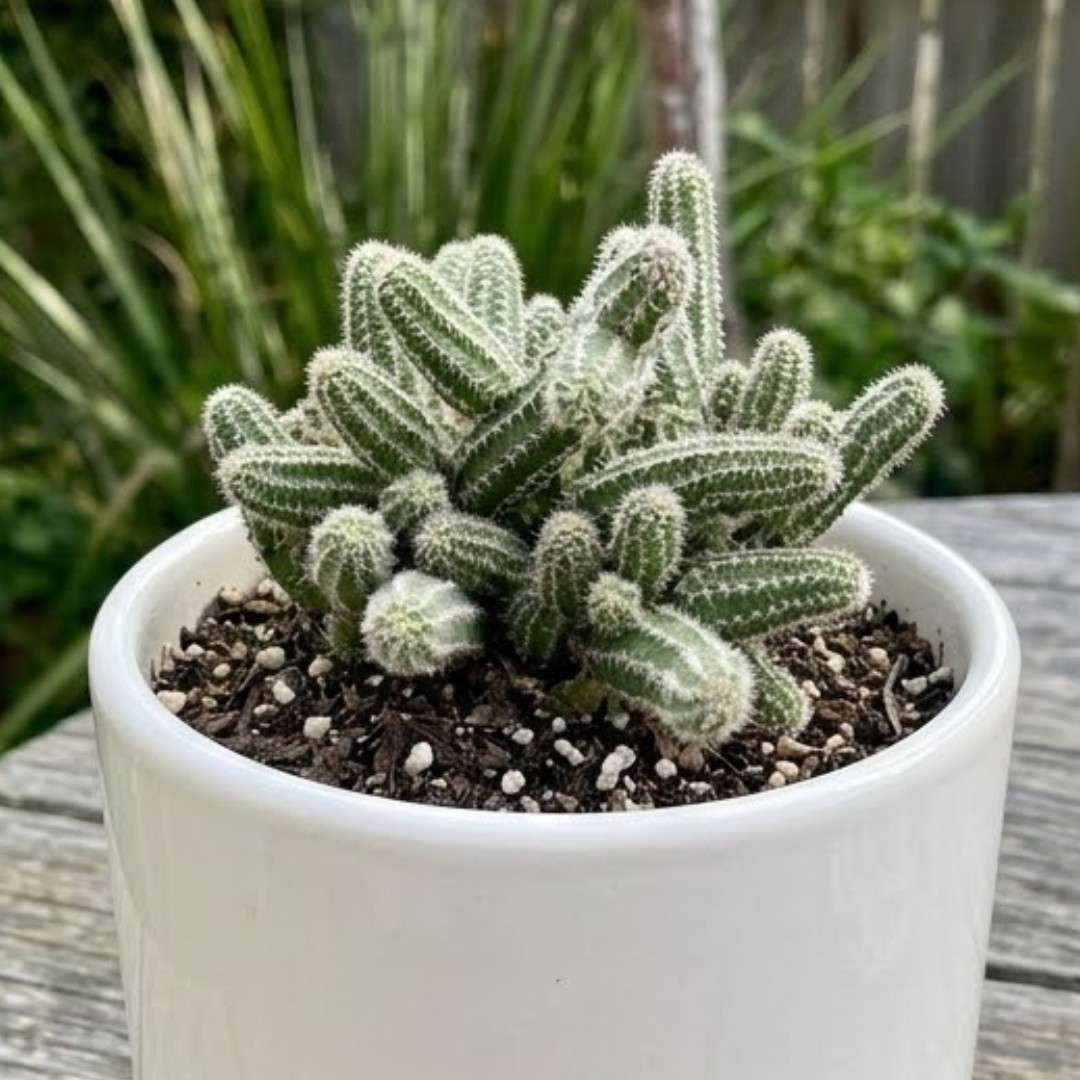
To ensure maximum plant health and safe transit, succulents are shipped Bare-rooted (Without Pot).
🚚 Dispatch: Within 2-3 business days.
📹 Refund Policy: An Unboxing Video is compulsory for refund claims. Please report any issues within 24 hours of delivery.
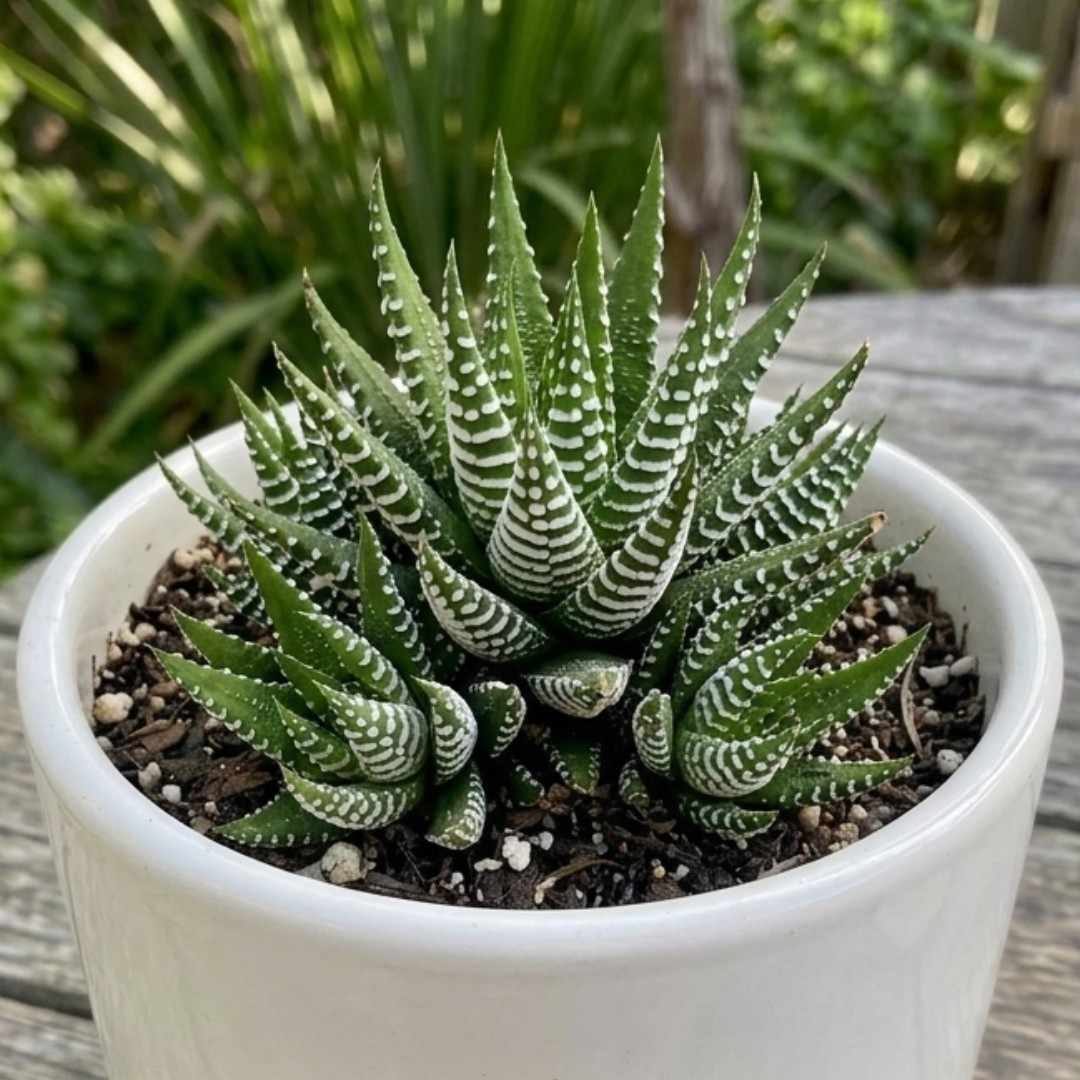


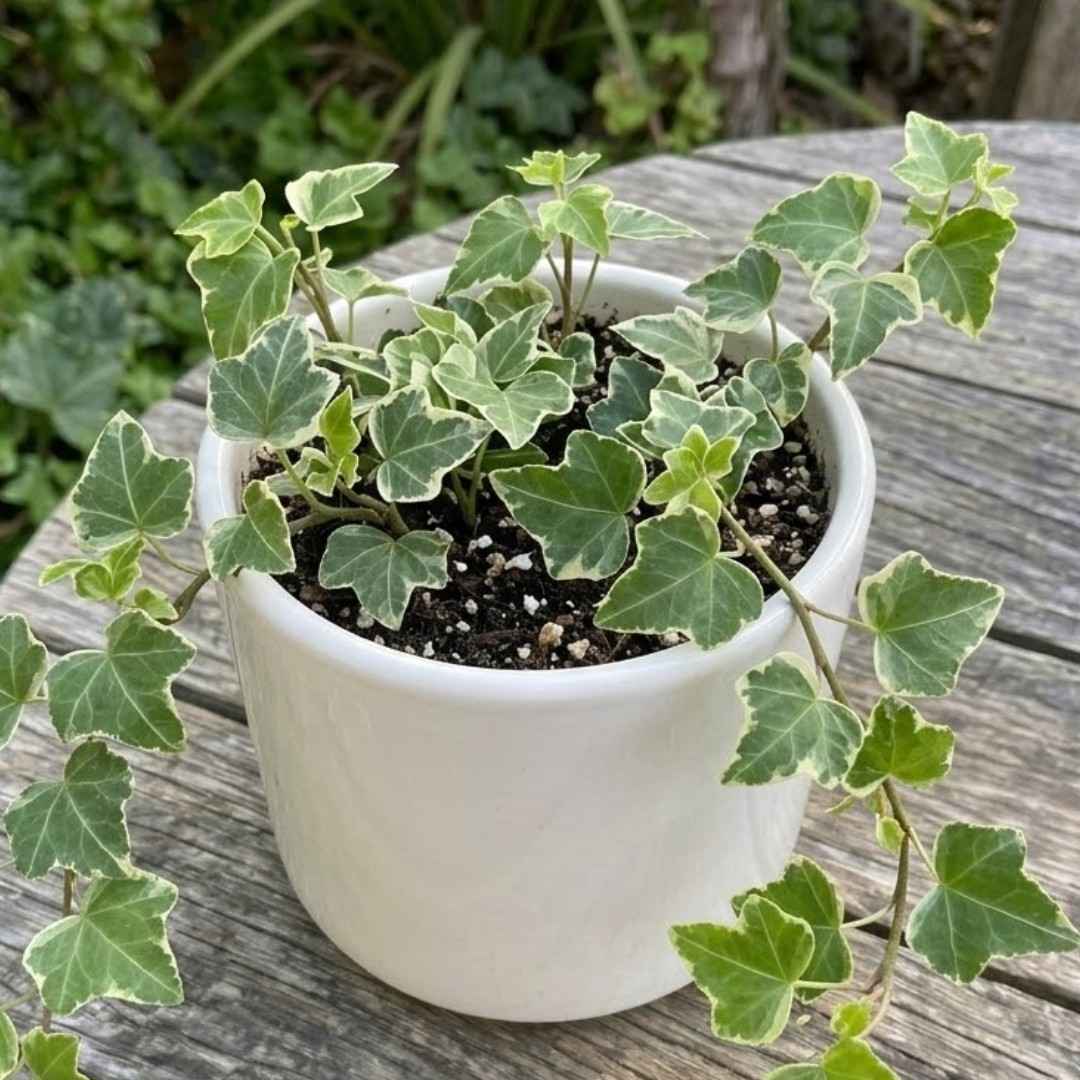


Reviews
There are no reviews yet.