
- Dispatch in 2-3 days
- Country of origin: India
- It’s Compulsory to make an unboxing video of the parcel for refunds within 24 hours.
- Bare Rooted
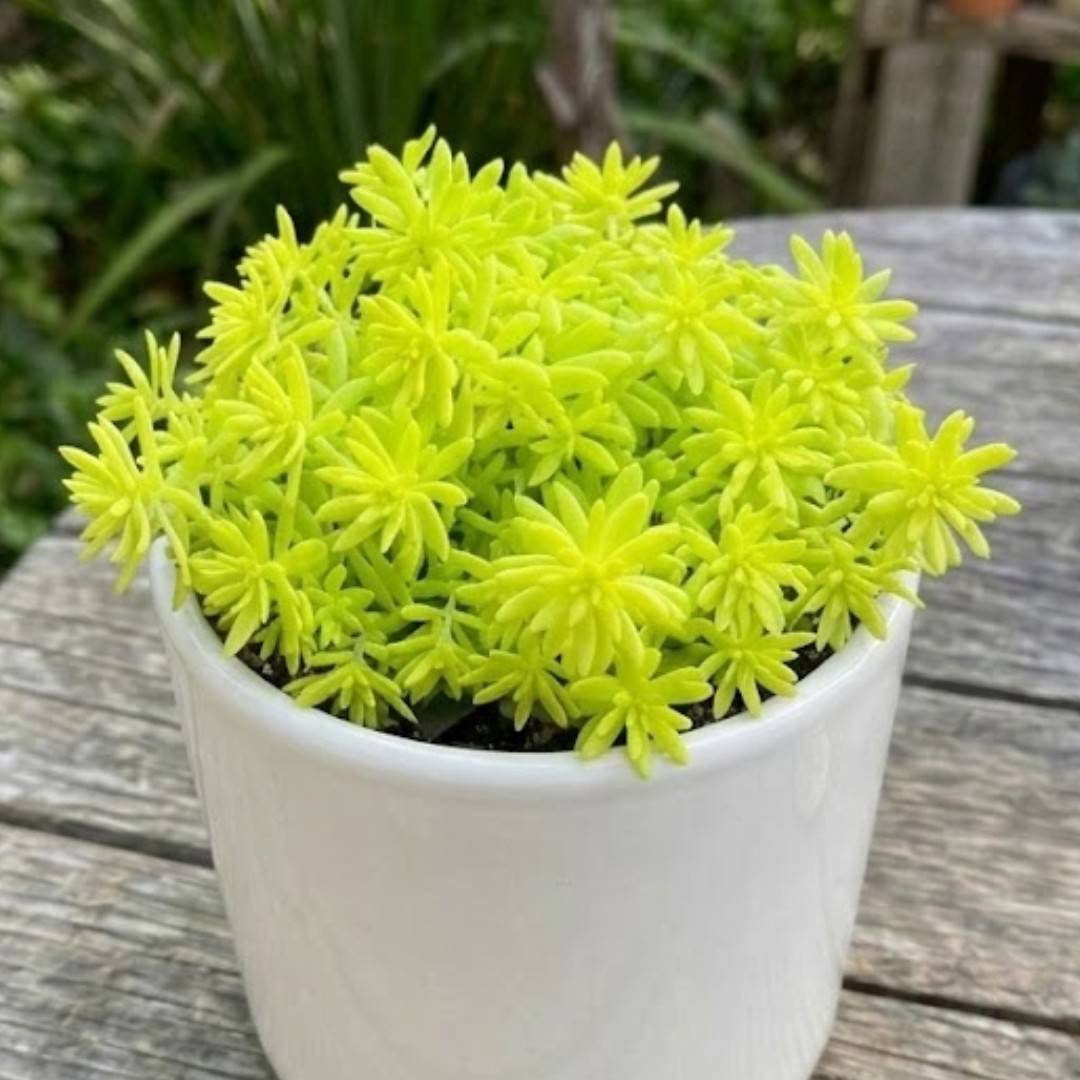
Golden Moss (Selaginella kraussiana ‘Aurea’), also known as Golden Clubmoss or Golden Spikemoss, is a beautiful and vibrant plant that is often used as ground cover in gardens or as a decorative indoor plant. Despite its moss-like appearance, Golden Moss is not a true moss but a member of the spikemoss family. This plant is loved for its bright yellow-green foliage that adds a pop of color to any space.
Key Characteristics:
- Foliage: Golden Moss has delicate, feathery, and finely textured leaves that are a bright golden-yellow or chartreuse color. The leaves form dense mats, giving the plant a soft, moss-like appearance. The vibrant foliage can add a splash of color to shady areas in the garden or brighten up indoor spaces.
- Growth Habit: This plant has a low-growing, spreading habit and typically grows only a few inches tall (2-4 inches or 5-10 cm). It can spread out to form a dense carpet of foliage, making it an excellent ground cover.
- Flowers: Golden Moss does not produce showy flowers. Its beauty lies in its vibrant foliage and the texture it brings to the garden or indoor arrangements.
Care Tips for Golden Moss (Selaginella kraussiana ‘Aurea’):
- Light:
- Golden Moss prefers low to medium light conditions. It thrives in partial shade to full shade, making it an excellent choice for shaded garden areas or indoor spaces with indirect light. Direct sunlight can scorch the delicate leaves, so it’s best to keep the plant out of strong sunlight.
- Watering:
- This plant prefers consistently moist soil. Water regularly to keep the soil evenly moist but not waterlogged. Golden Moss does not tolerate drought and will quickly wilt if allowed to dry out. However, avoid letting the soil become soggy, as this can lead to root rot. Using a humidity tray or misting the plant can help maintain the necessary humidity levels, especially indoors.
- Soil:
- Golden Moss thrives in well-draining, rich, and slightly acidic soil. A peat-based potting mix or a mixture of peat moss and perlite works well. The soil should retain moisture but also drain well to prevent waterlogging.
- Temperature:
- This plant prefers cool to moderate temperatures, ideally between 60-75°F (15-24°C). It does not tolerate frost, so if grown outdoors in cooler climates, it should be brought indoors or protected during the winter months.
- Fertilizing:
- Fertilize Golden Moss monthly during the growing season (spring and summer) with a diluted, balanced liquid fertilizer. This will help promote lush growth and maintain the vibrant color of the foliage. Reduce or stop fertilizing during the winter months when the plant’s growth slows down.
- Propagation:
- Golden Moss can be easily propagated by division. To propagate, simply divide the plant into smaller sections, ensuring that each section has roots attached, and replant them in moist soil. The divisions will quickly establish and spread to form new plants.
- Pests and Diseases:
- Golden Moss is generally pest-resistant, but it can occasionally attract fungus gnats or other moisture-loving pests if the soil is kept too wet. Ensure good air circulation and avoid overwatering to prevent these issues. Root rot can be a problem if the soil is too wet, so proper watering and drainage are essential.
Related Products


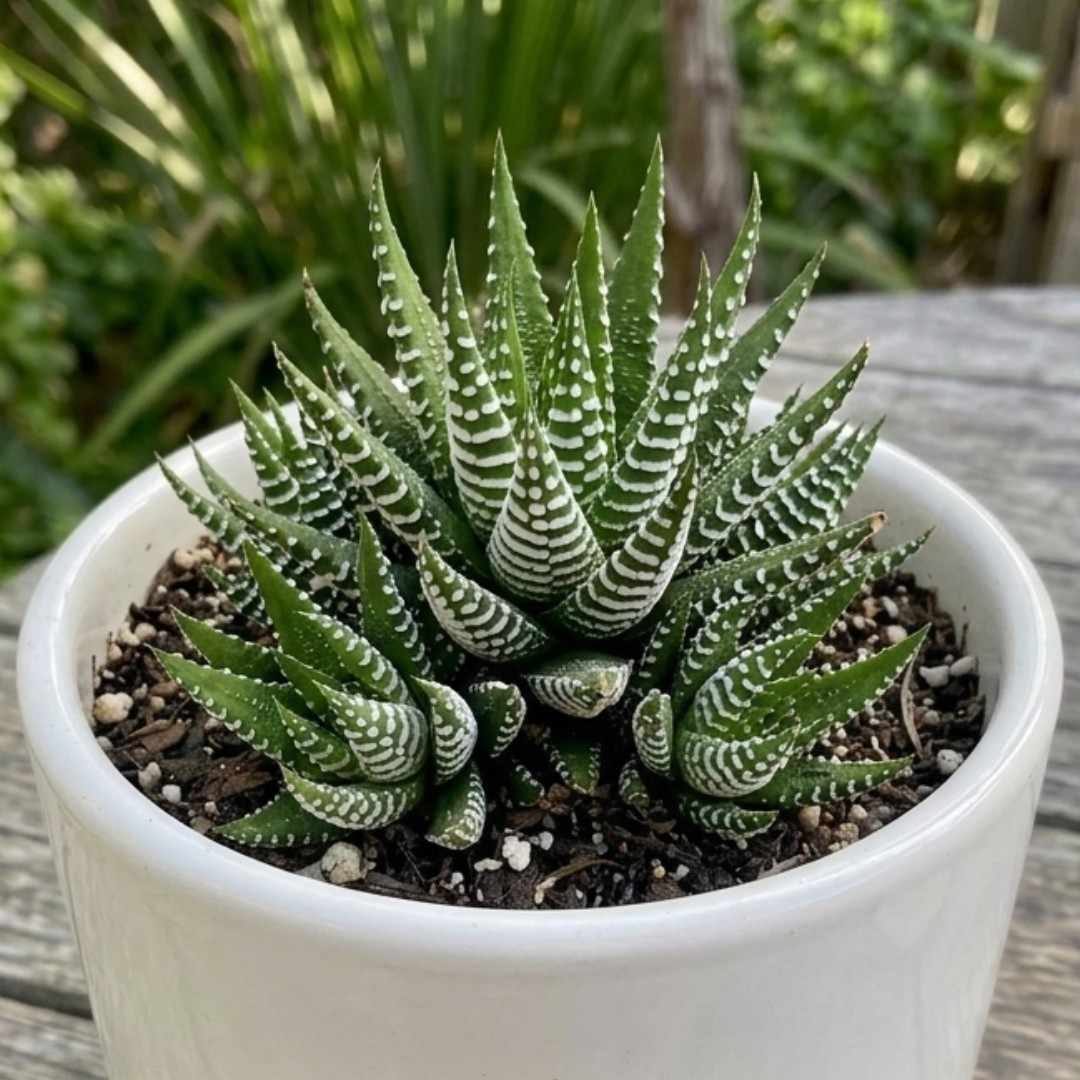

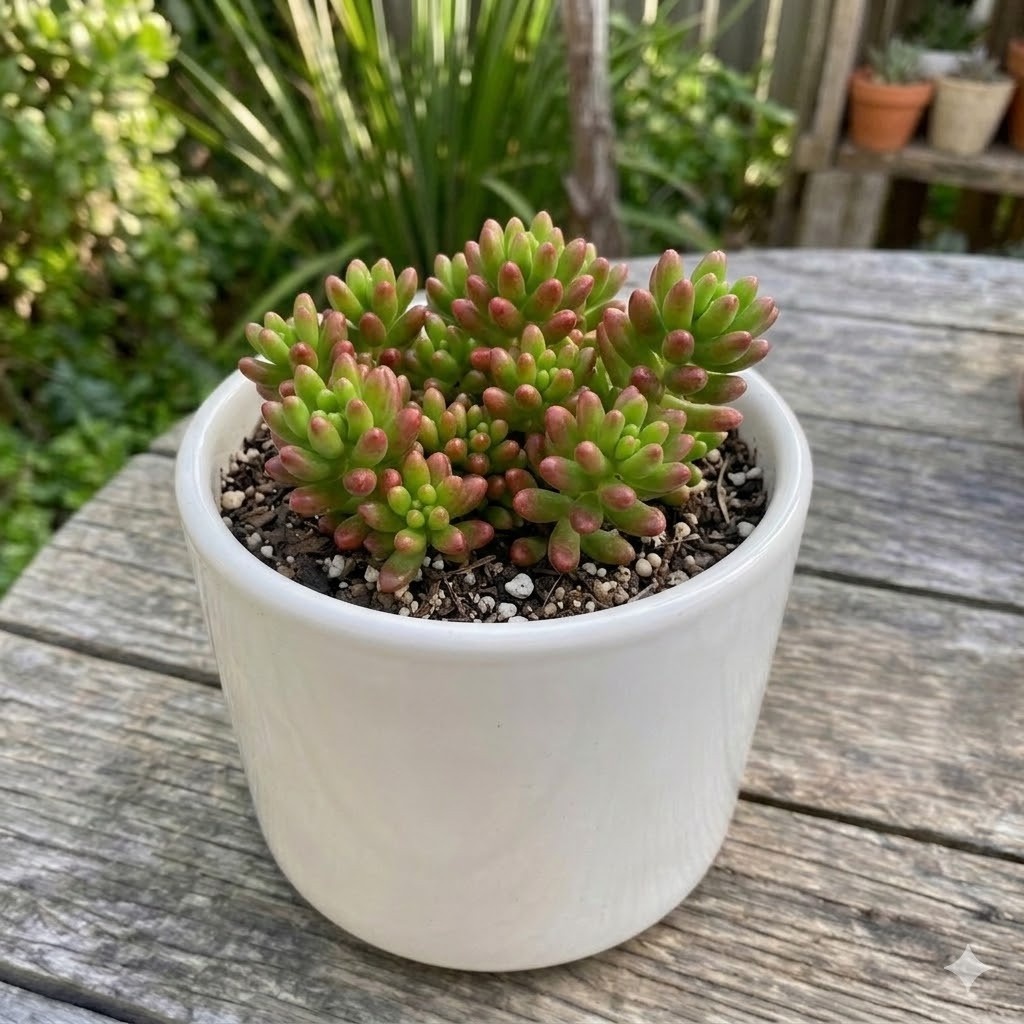
To ensure maximum plant health and safe transit, succulents are shipped Bare-rooted (Without Pot).
🚚 Dispatch: Within 2-3 business days.
📹 Refund Policy: An Unboxing Video is compulsory for refund claims. Please report any issues within 24 hours of delivery.
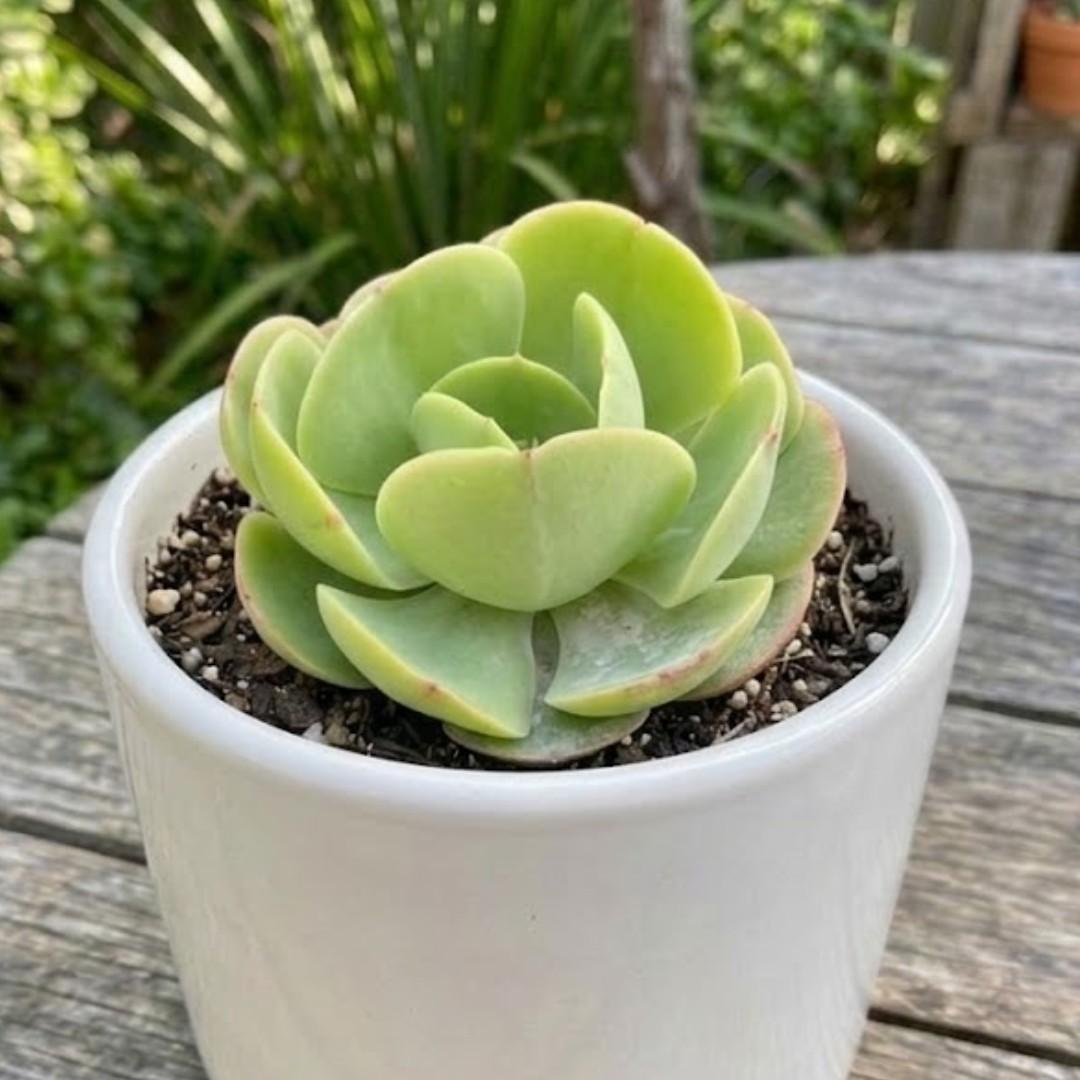
To ensure maximum plant health and safe transit, succulents are shipped Bare-rooted (Without Pot).
🚚 Dispatch: Within 2-3 business days.
📹 Refund Policy: An Unboxing Video is compulsory for refund claims. Please report any issues within 24 hours of delivery.

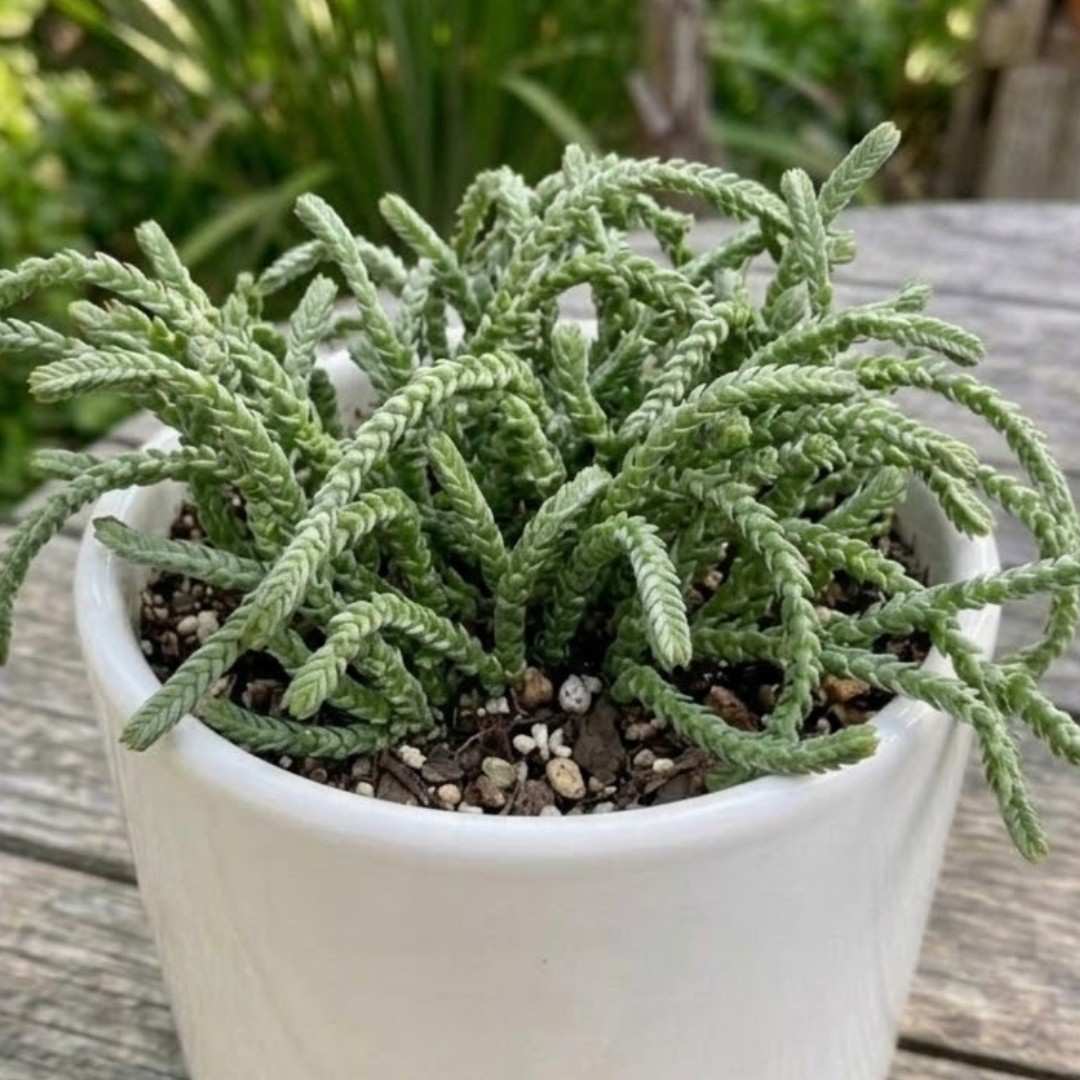
To ensure maximum plant health and safe transit, succulents are shipped Bare-rooted (Without Pot).
🚚 Dispatch: Within 2-3 business days.
📹 Refund Policy: An Unboxing Video is compulsory for refund claims. Please report any issues within 24 hours of delivery.

Out of stock

Reviews
There are no reviews yet.