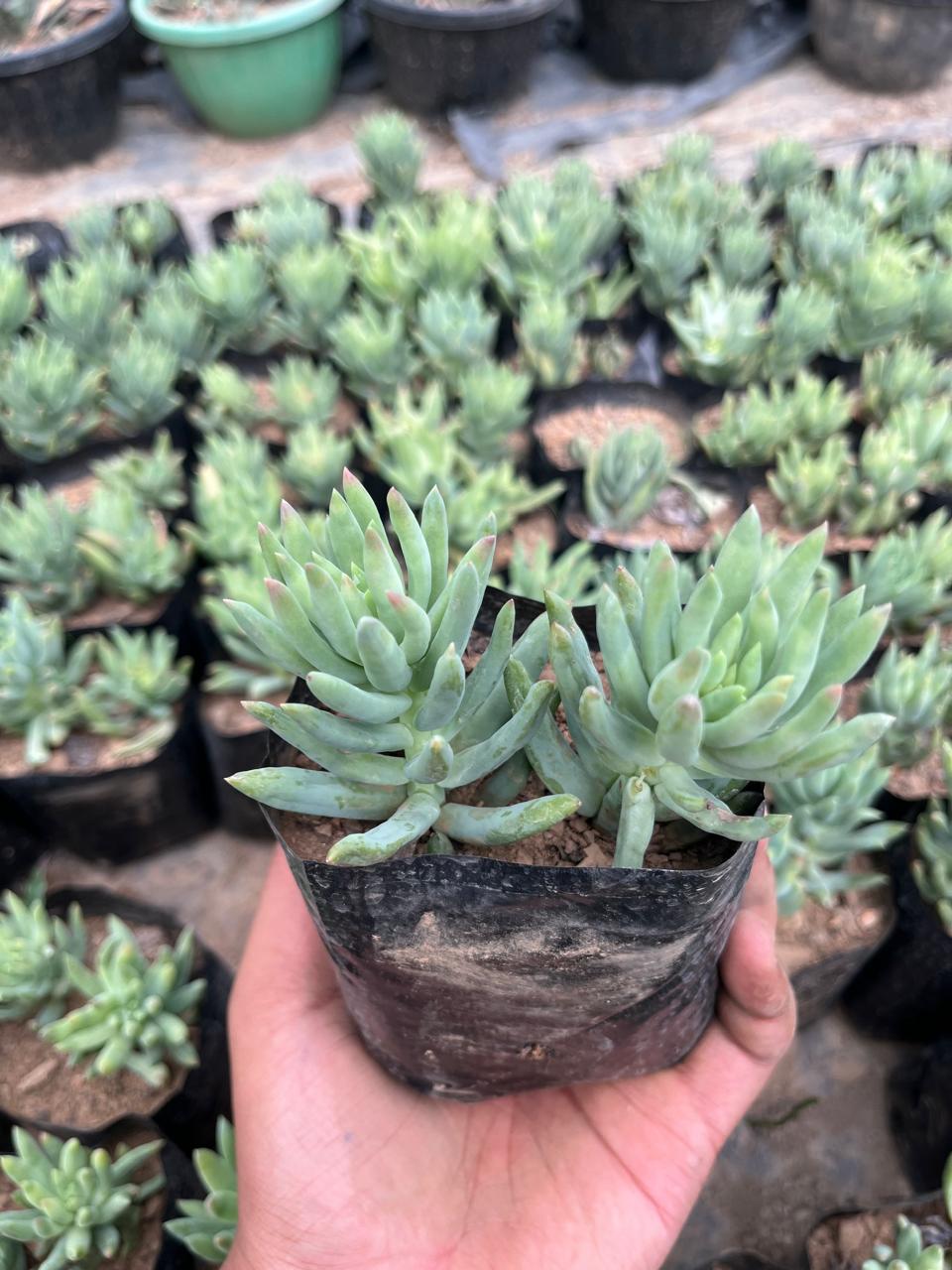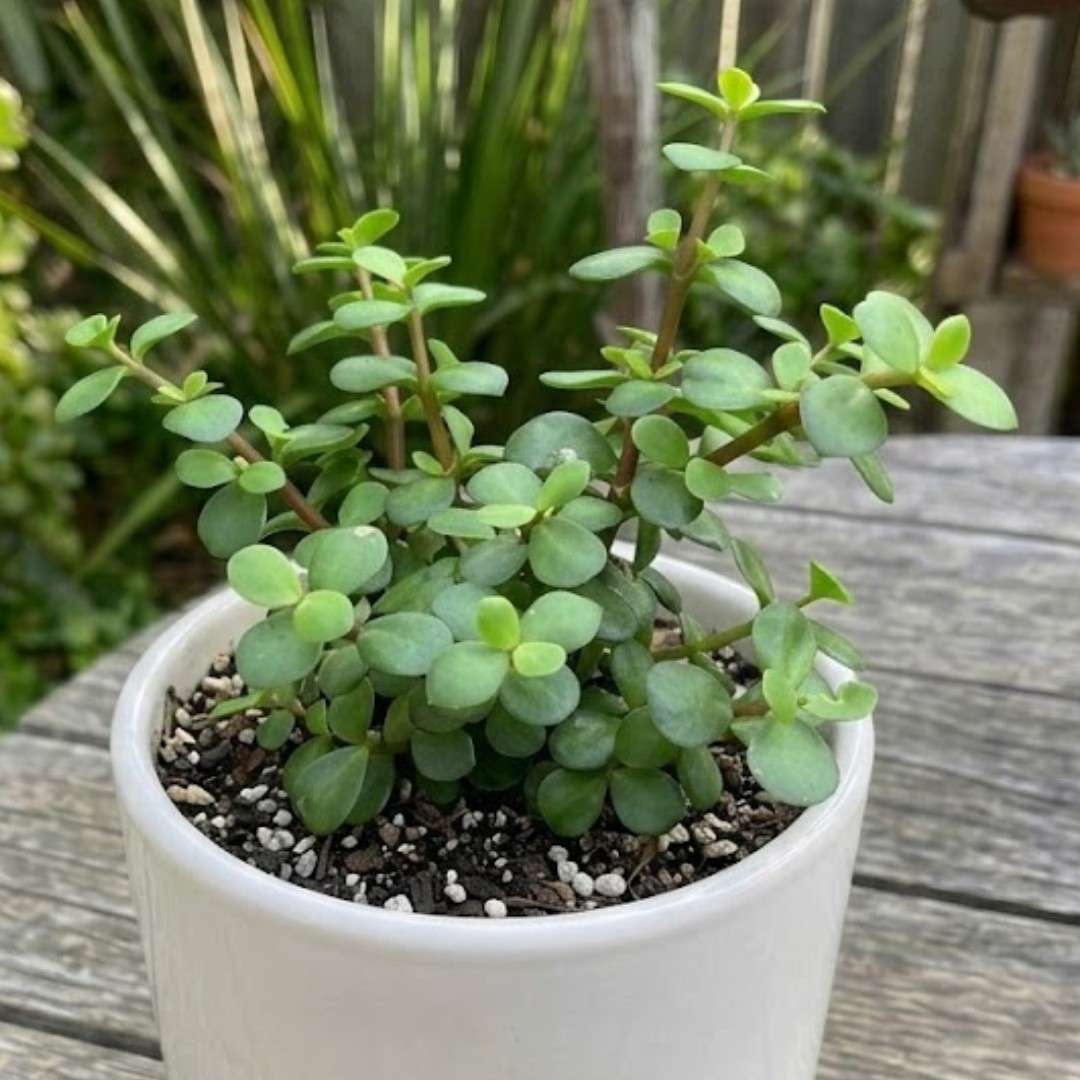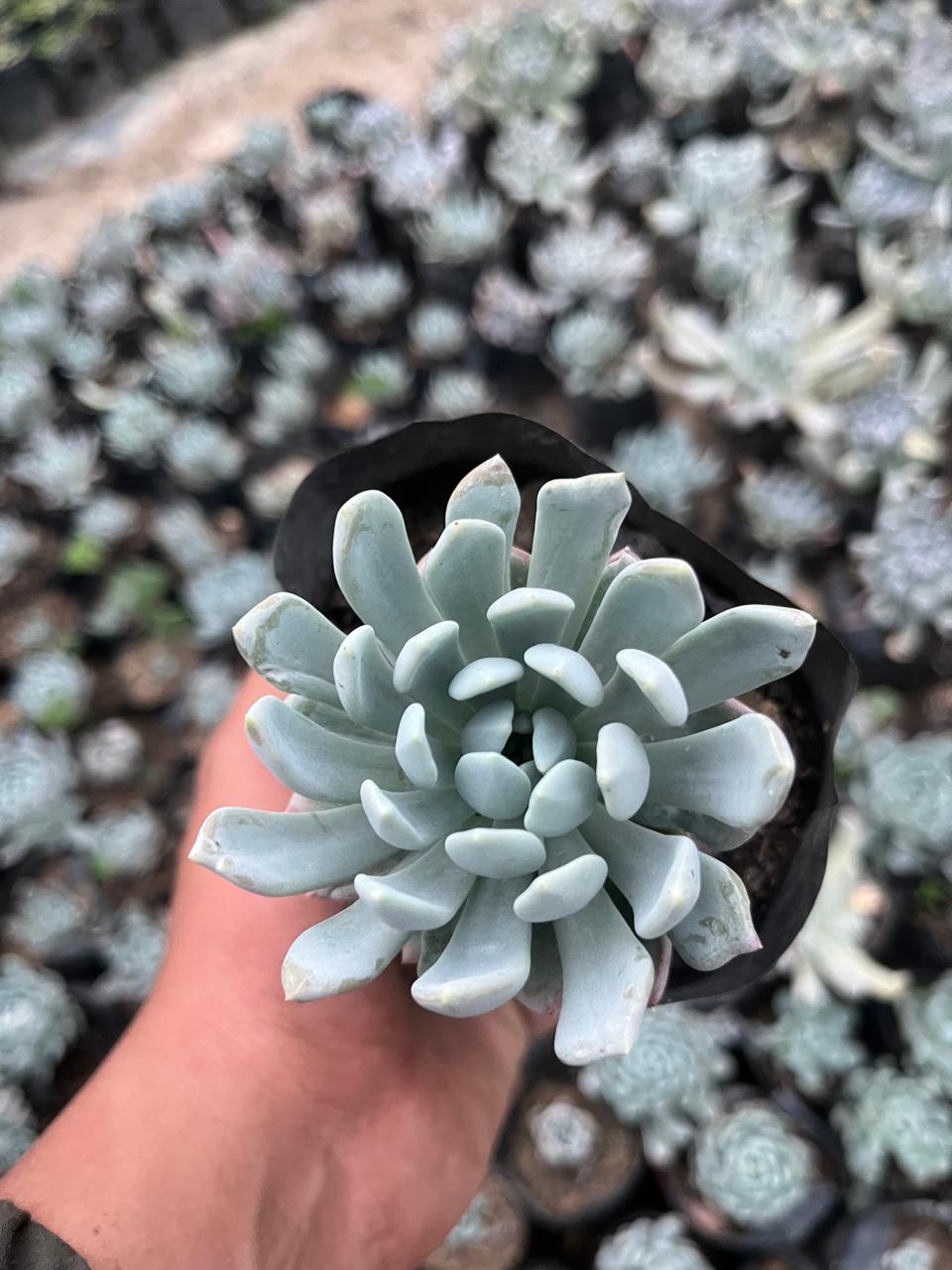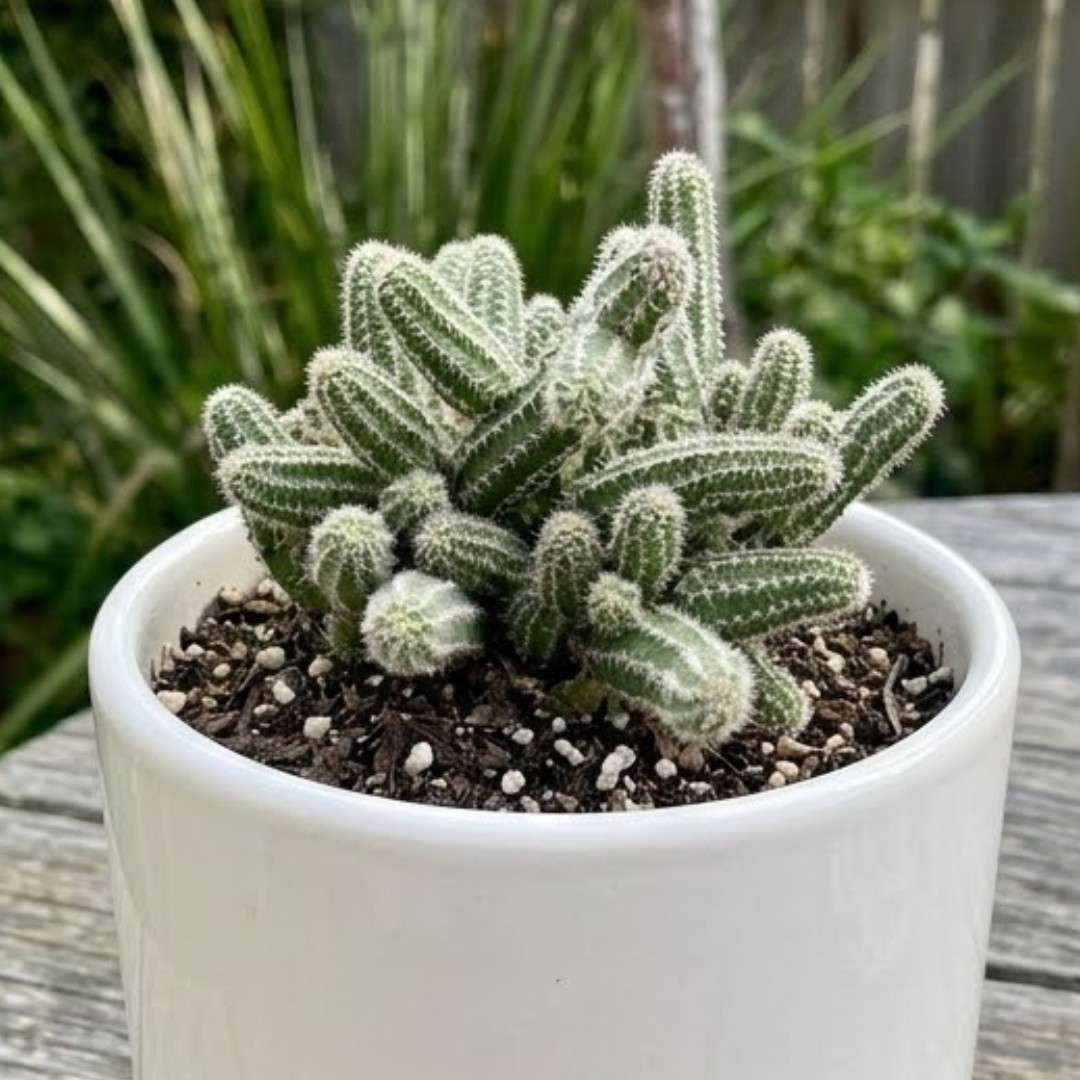
Flapjack
₹189 Original price was: ₹189.₹89Current price is: ₹89.
- Dispatch in 2-3 days
- Country of origin: India
- It’s Compulsory to make an unboxing video of the parcel for refunds within 24 hours.
- Bare Rooted
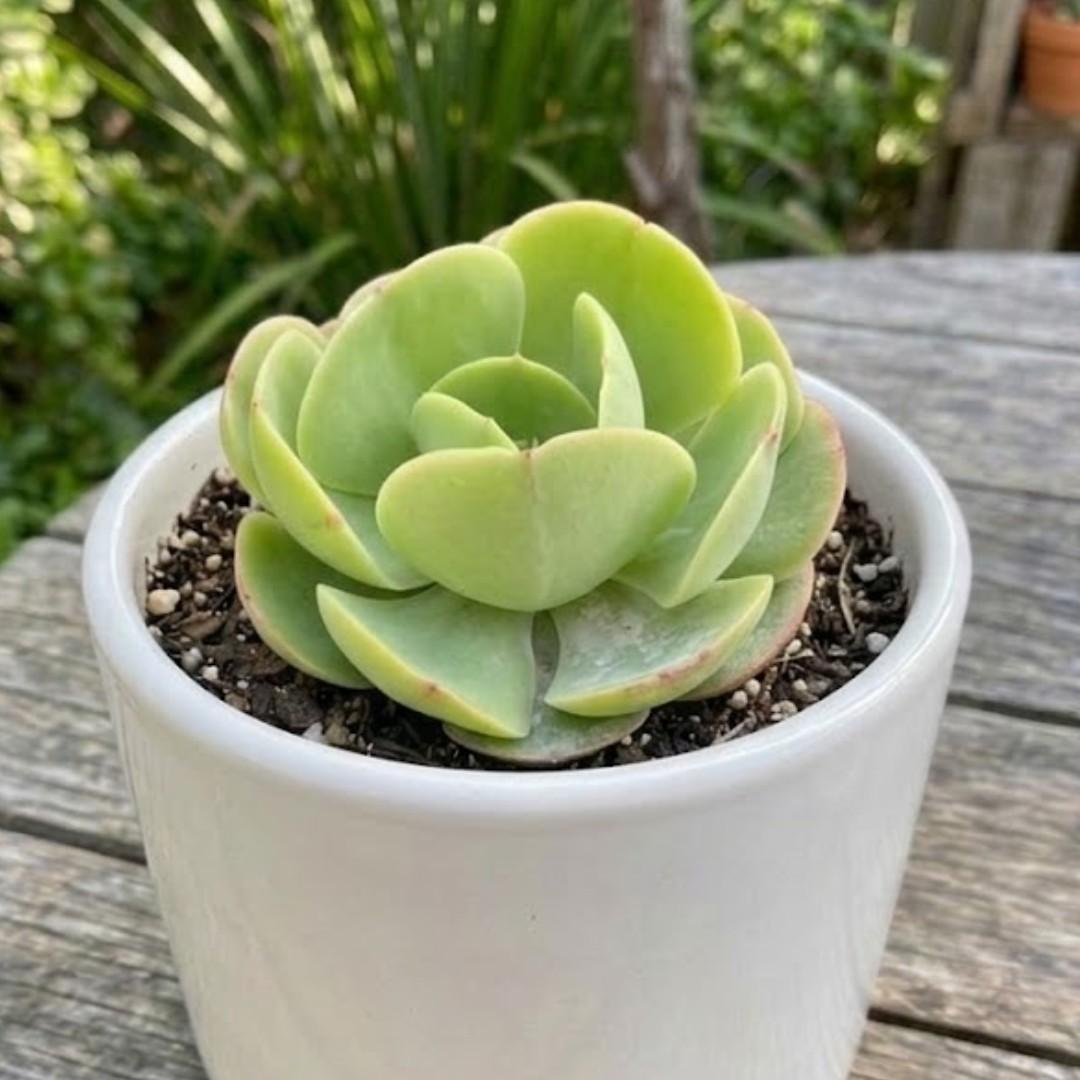
Flapjack, also known as Kalanchoe thyrsiflora, is a popular succulent known for its large, paddle-shaped leaves that resemble the shape of a flapjack or pancake, which is how it got its common name. This plant is also commonly referred to as the Paddle Plant or Desert Cabbage. It is native to South Africa and is admired for its striking appearance and ease of care.
Characteristics of Flapjack (Kalanchoe thyrsiflora)
- Leaves: The leaves of the Flapjack succulent are thick, fleshy, and smooth, with a unique shape that resembles a stack of pancakes. The leaves are typically a pale green to blue-green color, but they can develop vibrant red or pink edges, especially when exposed to bright sunlight or cooler temperatures. The leaves are arranged in a rosette pattern, and they can grow up to 6 inches (15 cm) long.
- Size: The plant forms a rosette that can reach up to 12-18 inches (30-45 cm) in height and about 8-12 inches (20-30 cm) in width. Over time, the plant may produce offsets or “pups” around its base, leading to a clumping habit.
- Flowers: In late winter to early spring, mature Flapjack plants may produce a tall flower stalk that can reach up to 2-3 feet (60-90 cm) in height. The stalk bears clusters of small, tubular, yellow-green flowers. After flowering, the main rosette may die back, but offsets will typically continue to grow.
Care Requirements
- Light: Flapjack plants thrive in bright, indirect sunlight. They can tolerate some direct sunlight, which enhances the red or pink coloration on the leaf edges. However, in very hot climates, it’s best to provide some afternoon shade to prevent sunburn.
- Watering: As with most succulents, Flapjack plants prefer to be watered sparingly. Allow the soil to dry out completely between waterings. Overwatering can lead to root rot, so it’s important to err on the side of caution.
- Soil: Use a well-draining succulent or cactus mix to prevent water from sitting around the roots. You can improve drainage by adding perlite or coarse sand to the soil mix.
- Temperature: Flapjack plants prefer warm temperatures and are not frost-tolerant. They thrive in temperatures between 60-85°F (16-29°C). If grown in a region with cold winters, the plant should be brought indoors or protected from frost.
- Fertilizer: Feed the plant with a balanced, water-soluble fertilizer diluted to half strength during the growing season (spring and summer). Fertilize once a month, but avoid feeding during the winter when the plant is not actively growing.
- Propagation: Flapjack plants can be propagated through offsets or leaf cuttings. Offsets can be gently removed and replanted in well-draining soil. Leaf cuttings should be allowed to callous over for a few days before being planted.
Growing Tips
- Color Enhancement: To enhance the red or pink coloration on the leaves, expose the plant to more sunlight. However, be careful not to overexpose it to harsh midday sun, which can cause leaf burn.
- Container Choice: Choose a pot with good drainage holes to prevent water from accumulating in the soil. Terracotta pots are a good option as they allow the soil to dry out more quickly.
- Minimal Maintenance: Flapjack plants are low-maintenance and require little care beyond basic watering and sunlight.
Benefits of Growing Flapjack
- Striking Appearance: The large, colorful leaves make Flapjack an eye-catching addition to any succulent collection or garden.
- Easy to Grow: This succulent is relatively easy to care for and is well-suited for both beginners and experienced gardeners.
- Versatility: Flapjack can be grown indoors as a houseplant or outdoors in containers or garden beds, provided it receives adequate sunlight.
Flapjack (Kalanchoe thyrsiflora) is a versatile and visually appealing succulent that adds a unique touch to any plant collection. Its bold leaves and easy-care nature make it a favorite among succulent enthusiasts.
Based on 0 reviews
|
|
|
0% |
|
|
|
0% |
|
|
|
0% |
|
|
|
0% |
|
|
|
0% |
- Aloe
- arborescens
- baby sun rose
- best succulent
- Bhimtal
- buy succulent online India
- cheap succulent
- Crassula
- Crassula arborescens
- Crassula ovata
- Echeveria
- Echinopsis
- Haworthia
- http://www.succuelenthubindia.com
- Jade
- Jade Plant
- Kalanchoe
- Laxmi Kamal
- Live succulent
- low-maintenance plant
- low price
- mammillaria
- Mini succulent
- Money Tree
- or Lucky Plant
- pastel succulent
- plant
- plant Potted
- rare succulents India
- Rattail crassula
- red
- Sedum
- String
- String of Hearts
- succulent
- Succulent arrangement
- Succulent collection
- Succulent gift box
- succulent hub
- Succulent Hub India
- Succulent starter kit
- turtle vine
- variegated baby sunrose
- variety pack
- www.succuelenthubindia.com
Related Products
The Cabbage Rose, also known as Echeveria pallida, is a beautiful succulent that is highly prized for its large, rosette-shaped foliage that resembles a blooming rose or cabbage, hence the name. This species is part of the Echeveria genus, which is known for its diverse and visually stunning succulents.
Characteristics of Echeveria pallida (Cabbage Rose)
- Leaves: Echeveria pallida features broad, pale green to silvery-blue leaves that form a large, symmetrical rosette. The leaves can take on a subtle pink or red hue along the edges, especially when exposed to bright sunlight. The rosettes can grow up to 10-12 inches (25-30 cm) in diameter.
- Size: Echeveria pallida is a medium to large-sized succulent, with a rosette that can reach around 8-12 inches (20-30 cm) in diameter. The plant generally remains low to the ground, making it an excellent choice for ground cover, container gardening, or as a focal point in a succulent arrangement.
- Flowers: In late spring or early summer, Echeveria pallida may produce a tall flower stalk that rises above the rosette. The flowers are usually small, bell-shaped, and range in color from pink to coral. These flowers add an extra layer of beauty to an already stunning plant.
Care Requirements
- Light: Echeveria pallida thrives in bright, direct sunlight. It needs at least 4-6 hours of direct sunlight daily to maintain its vibrant color and compact shape. If grown indoors, a south-facing window is ideal. If the plant doesn’t get enough light, it may become leggy and lose its compact form.
- Watering: Like most Echeverias, Echeveria pallida prefers the “soak and dry” method. Water the plant thoroughly, allowing water to drain out of the pot, and then let the soil dry completely before watering again. Overwatering can lead to root rot, so it’s important to allow the soil to dry out between waterings.
- Soil: Use a well-draining soil mix specifically designed for succulents or cacti. Adding perlite, sand, or pumice to regular potting soil can improve drainage and prevent water retention.
- Temperature: Echeveria pallida prefers warm temperatures between 65-80°F (18-27°C). It is not frost-tolerant and should be protected from cold temperatures below 40°F (4°C). In colder climates, the plant should be brought indoors during the winter.
- Fertilizer: Feed the plant with a balanced, water-soluble fertilizer diluted to half strength during the growing season (spring and summer). Fertilize once a month, and avoid feeding during the winter when the plant is dormant.
- Propagation: Echeveria pallida can be easily propagated through leaf cuttings, offsets, or seeds. Leaf cuttings should be allowed to callous over for a few days before being planted in well-draining soil. Offsets can be removed and replanted.
Growing Tips
- Enhancing Color: To enhance the pink or red edges on the leaves, expose the plant to more sunlight. However, be careful not to overexpose it to harsh midday sun, which can cause leaf burn.
- Repotting: Echeveria pallida should be repotted every 2-3 years to refresh the soil and provide more room for growth. Repot in the spring, when the plant is starting to grow more actively.
- Avoid Watering the Rosette: When watering, try to avoid getting water into the rosette, as trapped moisture can lead to rot.
Benefits of Growing Echeveria pallida
- Aesthetic Appeal: The large, rose-like rosettes make Echeveria pallida a stunning addition to any succulent collection or garden.
- Low Maintenance: This succulent is relatively easy to care for, making it suitable for both beginners and experienced gardeners.
- Versatility: Echeveria pallida can be grown in pots, succulent arrangements, or outdoor gardens, adding a touch of elegance wherever it’s placed.
Echeveria pallida, or the Cabbage Rose, is a striking succulent that offers both beauty and ease of care. Whether grown indoors or outdoors, it can become a centerpiece in any succulent collection.
Out of stock


Reviews
There are no reviews yet.