




- Dispatch in 2-3 days
- Country of origin: India
- It’s Compulsory to make an unboxing video of the parcel for refunds within 24 hours.
- With Pot
Echinopsis tubiflora, commonly known as the Easter Lily Cactus or Tube-flowered Hedgehog Cactus, is a popular species of cactus prized for its stunning, large flowers and easy care. This cactus is native to South America and is well-loved by collectors and gardeners for its showy blooms and manageable size.
Key Characteristics of Echinopsis Tubiflora:
- Shape and Size: Echinopsis tubiflora typically has a small, globular to slightly elongated shape, growing to about 4 to 6 inches (10 to 15 cm) in diameter and up to 10 inches (25 cm) tall. The body of the cactus is green, with multiple ribs running vertically along its surface. The ribs are dotted with small, white areoles from which spines emerge. The spines are usually short, soft, and white to yellowish in color, making this cactus less intimidating to handle.
- Flowers: The standout feature of Echinopsis tubiflora is its large, tubular flowers, which can reach up to 8 inches (20 cm) in length. The flowers are typically white or pale pink and have a pleasant fragrance. They open at night and often remain open into the following morning. The contrast between the small, round body of the cactus and the large, dramatic flowers is quite striking.
- Blooming Period: The cactus generally blooms in the spring and summer, producing multiple flowers over the season. The flowers are short-lived, usually lasting only a day or two, but the plant can produce several blooms in succession.
Care Tips for Echinopsis Tubiflora:
- Light: Echinopsis tubiflora thrives in bright, direct sunlight. It should receive at least 6 hours of sunlight per day to encourage blooming and maintain its compact shape. If grown indoors, place it near a south or west-facing window. If the cactus doesn’t get enough light, it may become elongated (etiolated) and may not flower.
- Watering: Water the cactus thoroughly during the growing season (spring and summer), allowing the soil to dry out completely between waterings. Reduce watering in the winter when the cactus enters dormancy. Overwatering can lead to root rot, so it’s essential to ensure that the pot has good drainage and that excess water can escape.
- Soil: Use a well-draining cactus or succulent mix. You can improve drainage by adding coarse sand, perlite, or small gravel to the soil mix. Good drainage is crucial to prevent the roots from sitting in water.
- Temperature: Echinopsis tubiflora prefers warm temperatures and can tolerate heat well. It does best in temperatures between 70°F and 85°F (21°C to 29°C). While it can tolerate brief exposure to temperatures as low as 40°F (4°C), it should be protected from frost.
- Propagation: This cactus can be propagated from offsets (pups) that form around the base of the parent plant or from seeds. To propagate from offsets, gently remove them from the parent plant, let them callous for a few days, and then plant them in well-draining soil. Seed propagation is also possible but takes longer to achieve mature plants.
- Maintenance: Echinopsis tubiflora is a low-maintenance plant. It requires little pruning or care beyond regular watering and providing sufficient light. If the cactus becomes too large for its pot, it can be repotted in the spring using fresh cactus soil.
- Pests and Diseases: This cactus is generally pest-resistant but can occasionally be affected by mealybugs or spider mites. Inspect the plant regularly, and if pests are found, treat them promptly with insecticidal soap or neem oil. Ensure good air circulation to prevent fungal infections, especially in humid conditions.
Related Products
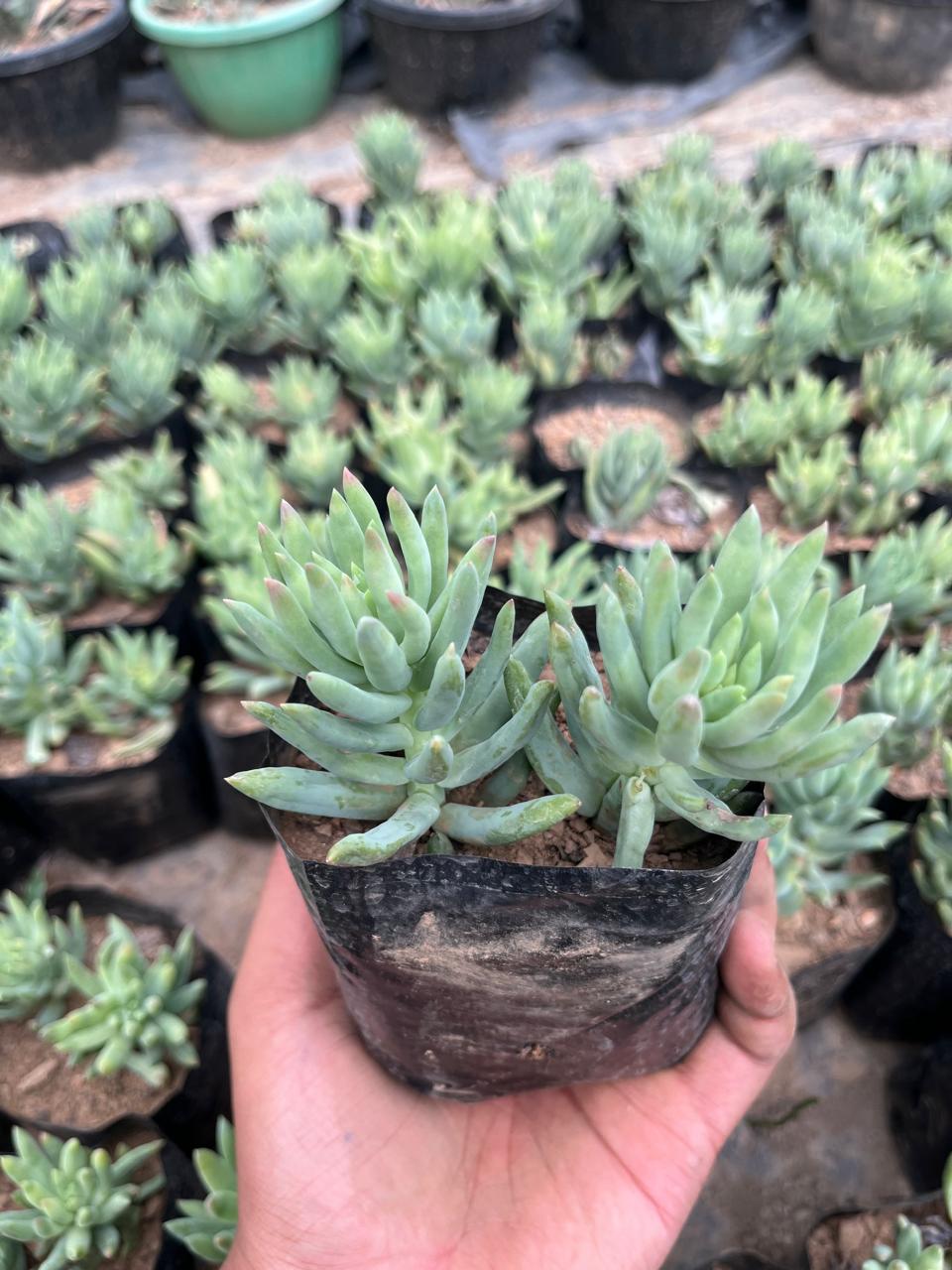
Sedeveria ‘Harry Butterfield’ a.k.a Super Donkey Tail
Original price was: ₹99.₹49Current price is: ₹49.
Out of stock

Crassula baby Nexclace
Original price was: ₹199.₹99Current price is: ₹99.

kalanchoe tomentosa propagation
Original price was: ₹169.₹89Current price is: ₹89.

Anacampseros telephiastrum DC
Original price was: ₹219.₹109Current price is: ₹109.

Senecio crassissimus
Original price was: ₹159.₹89Current price is: ₹89.
Out of stock

Aloe Tiger Jade
Original price was: ₹179.₹99Current price is: ₹99.
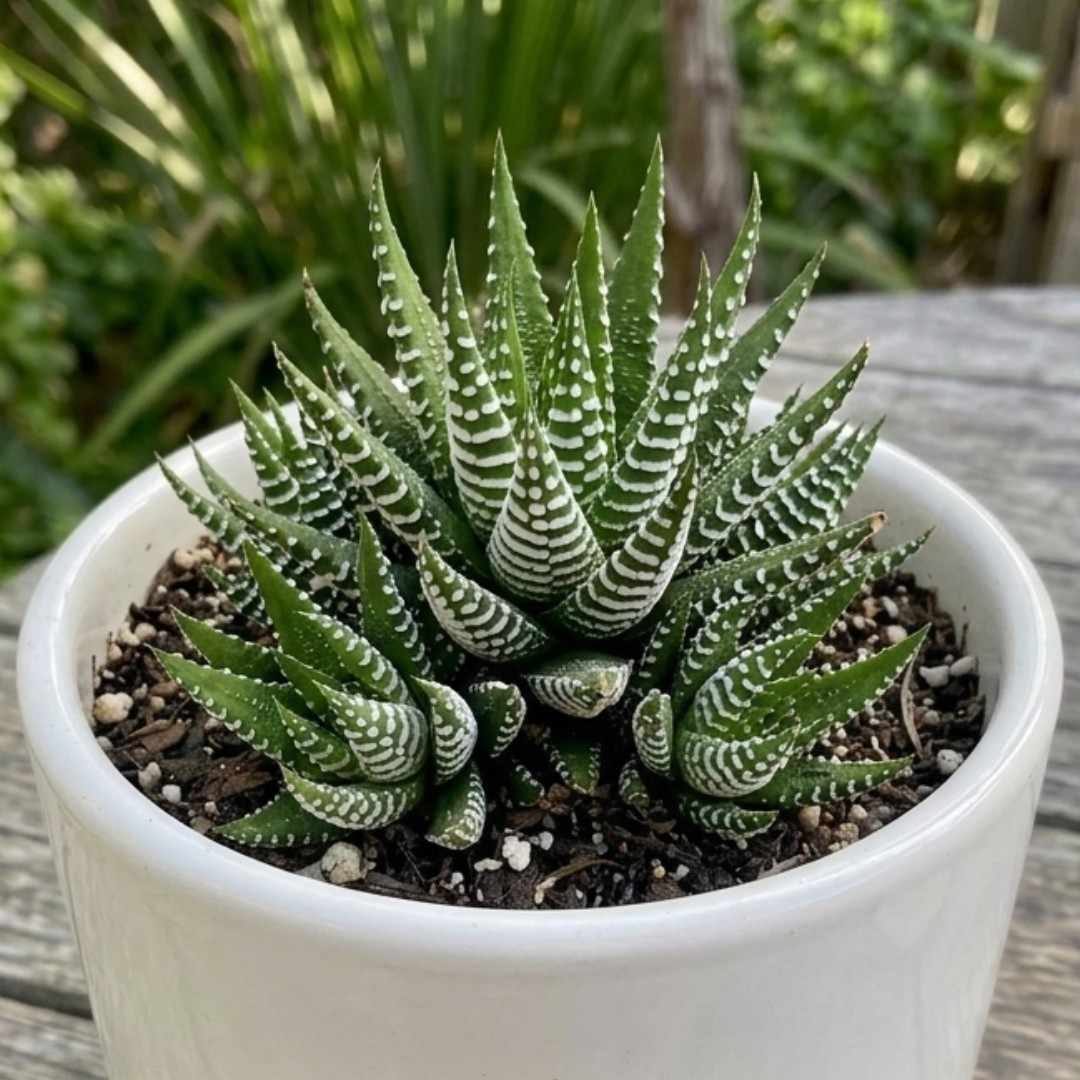
Zebra Haworthia
Original price was: ₹149.₹79Current price is: ₹79.

Haworthia limifolia
Original price was: ₹199.₹109Current price is: ₹109.

Faucaria tigrina
Original price was: ₹199.₹109Current price is: ₹109.

Gasteraloe limpopo
Original price was: ₹229.₹129Current price is: ₹129.

Echeveria pulidonis
Original price was: ₹229.₹149Current price is: ₹149.

Variegated Jade Plant, Crassula ovata
Original price was: ₹219.₹129Current price is: ₹129.
Reviews
There are no reviews yet.