

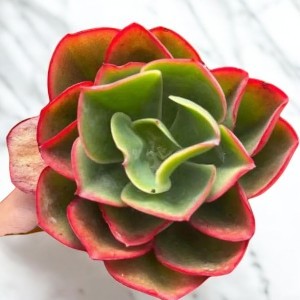
Echeveria Tang Rose
Original price was: ₹249.₹119Current price is: ₹119.
To ensure maximum plant health and safe transit, succulents are shipped Bare-rooted (Without Pot).
🚚 Dispatch: Within 2-3 business days.
📹 Refund Policy: An Unboxing Video is compulsory for refund claims. Please report any issues within 24 hours of delivery.
Echeveria ‘Tang Rose’ – Complete Overview
Common Name: Tang Rose Echeveria
Botanical Name: Echeveria ‘Tang Rose’
Family: Crassulaceae
Origin: Hybrid (Mexico region origin of genus Echeveria)
🌱 Plant Description
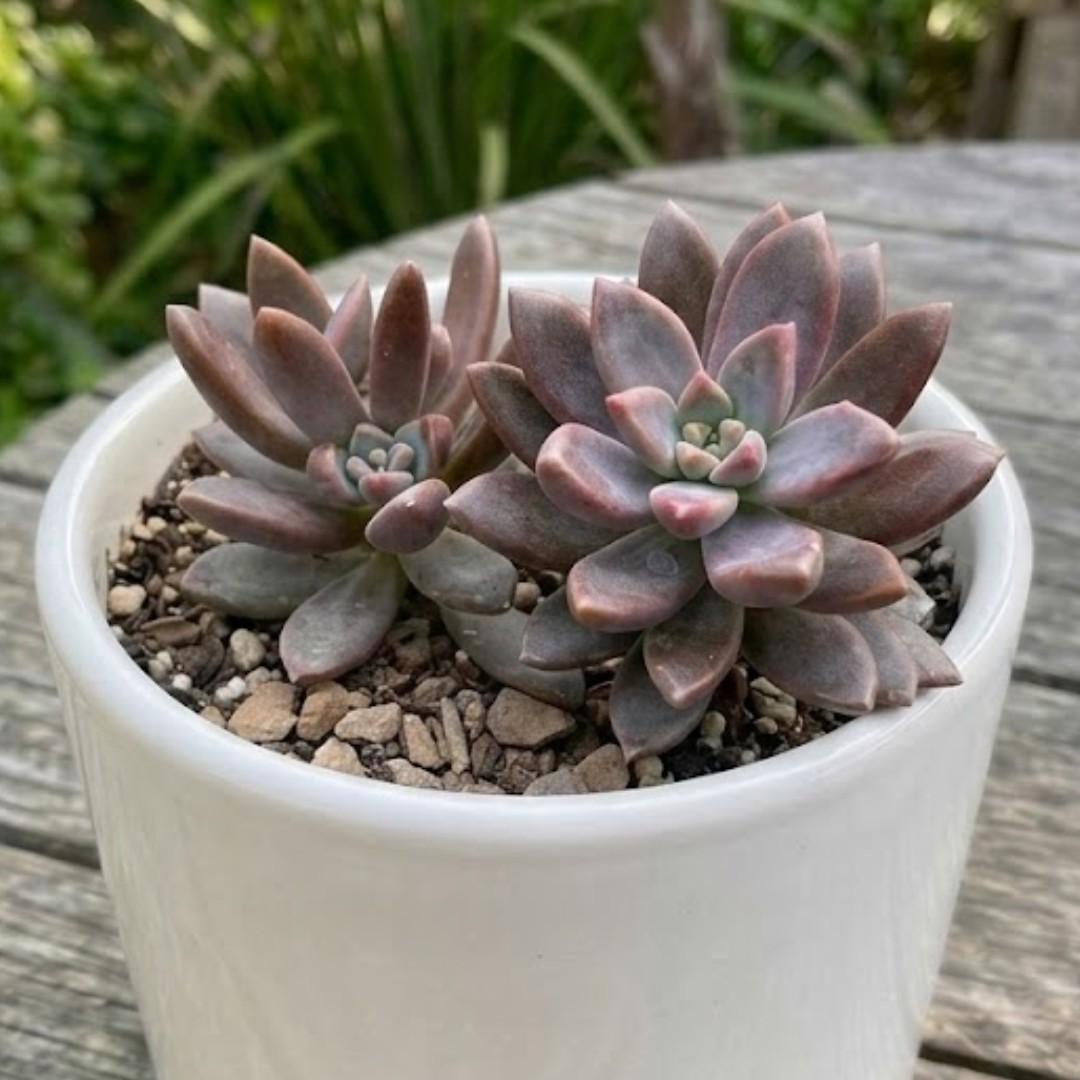
Echeveria ‘Tang Rose’ is a beautiful rosette-forming succulent known for its pinkish-peach to coral tones that intensify under bright sunlight. The leaves are thick, fleshy, and slightly pointed, forming a tight rose-like shape — hence the name “Tang Rose.”
It’s a compact variety, perfect for pots, dish gardens, or succulent arrangements. Its symmetry and vibrant color make it a favorite among collectors and home decorators alike.
☀️ Light Requirements
-
Prefers bright sunlight for at least 4–6 hours a day.
-
Color becomes more intense in direct or filtered sunlight.
-
Indoors: keep near a south- or west-facing window.
💡 Tip: If grown in low light, the rosette may stretch (etiolate) and lose its tight, colorful shape.
💧 Watering
-
Follow the “soak and dry” method — water thoroughly and let the soil dry completely before watering again.
-
Overwatering can cause root rot or mushy leaves.
-
Reduce watering during winter dormancy.
💧 Water only when the leaves start to look slightly soft or wrinkled.
🪴 Soil
Use a well-draining succulent or cactus mix. Ideal mix:
-
50% cactus soil
-
30% pumice or perlite
-
20% coarse sand
Good drainage is essential for healthy roots.
🌡️ Temperature
-
Ideal range: 18°C – 28°C
-
Avoid frost (below 10°C).
-
Can handle mild heat with good airflow.
🌸 Flowers
-
Produces orange-pink bell-shaped flowers on tall stems in spring or summer.
-
Attracts butterflies and bees.
✂️ Propagation
Easy to propagate through:
-
Leaf cuttings: Let leaf callus for 1–2 days, then plant in dry soil.
-
Offsets (pups): Separate from the mother rosette once mature.
Roots form in 2–3 weeks under bright light.
🧘♀️ Vastu & Benefits
-
Symbol of love, peace, and beauty due to its rose-like form.
-
Brings positive vibes and a luxury aesthetic to homes.
-
Perfect for office desks, window sills, and gifting.
💚 Care Summary Table
| Care Aspect | Requirement |
|---|---|
| Light | Bright sunlight / filtered light |
| Water | When soil is completely dry |
| Soil | Well-draining succulent mix |
| Temperature | 18°C–28°C |
| Fertilizer | Once a month (diluted) in growing season |
| Propagation | Leaves or offsets |
| Toxicity | Non-toxic to pets |
Related Products

⚠️ IMPORTANT DELIVERY NOTE
To ensure maximum plant health and safe transit, succulents are shipped Bare-rooted (Without Pot).
🚚 Dispatch: Within 2-3 business days.
📹 Refund Policy: An Unboxing Video is compulsory for refund claims. Please report any issues within 24 hours of delivery.
💧
Watering
Water only after soil dries fully
Sunlight
Bright direct to partial sunlight
Temperature
10°C–32°C
Pet Safety
Generally pet safe
Maintenance
Low maintenance
Growth
Approx. 70–85 mm rosette
Soil
Fast-draining cactus mix
Care Tip
Red tips intensify in brighter light


To ensure maximum plant health and safe transit, succulents are shipped Bare-rooted (Without Pot).
🚚 Dispatch: Within 2-3 business days.
📹 Refund Policy: An Unboxing Video is compulsory for refund claims. Please report any issues within 24 hours of delivery.


To ensure maximum plant health and safe transit, succulents are shipped Bare-rooted (Without Pot).
🚚 Dispatch: Within 2-3 business days.
📹 Refund Policy: An Unboxing Video is compulsory for refund claims. Please report any issues within 24 hours of delivery.
To ensure maximum plant health and safe transit, succulents are shipped Bare-rooted (Without Pot).
🚚 Dispatch: Within 2-3 business days.
📹 Refund Policy: An Unboxing Video is compulsory for refund claims. Please report any issues within 24 hours of delivery.
Reviews
There are no reviews yet.