



- Dispatch in 2-3 days
- Country of origin: India
- It’s Compulsory to make an unboxing video of the parcel for refunds within 24 hours.
- Bare Rooted
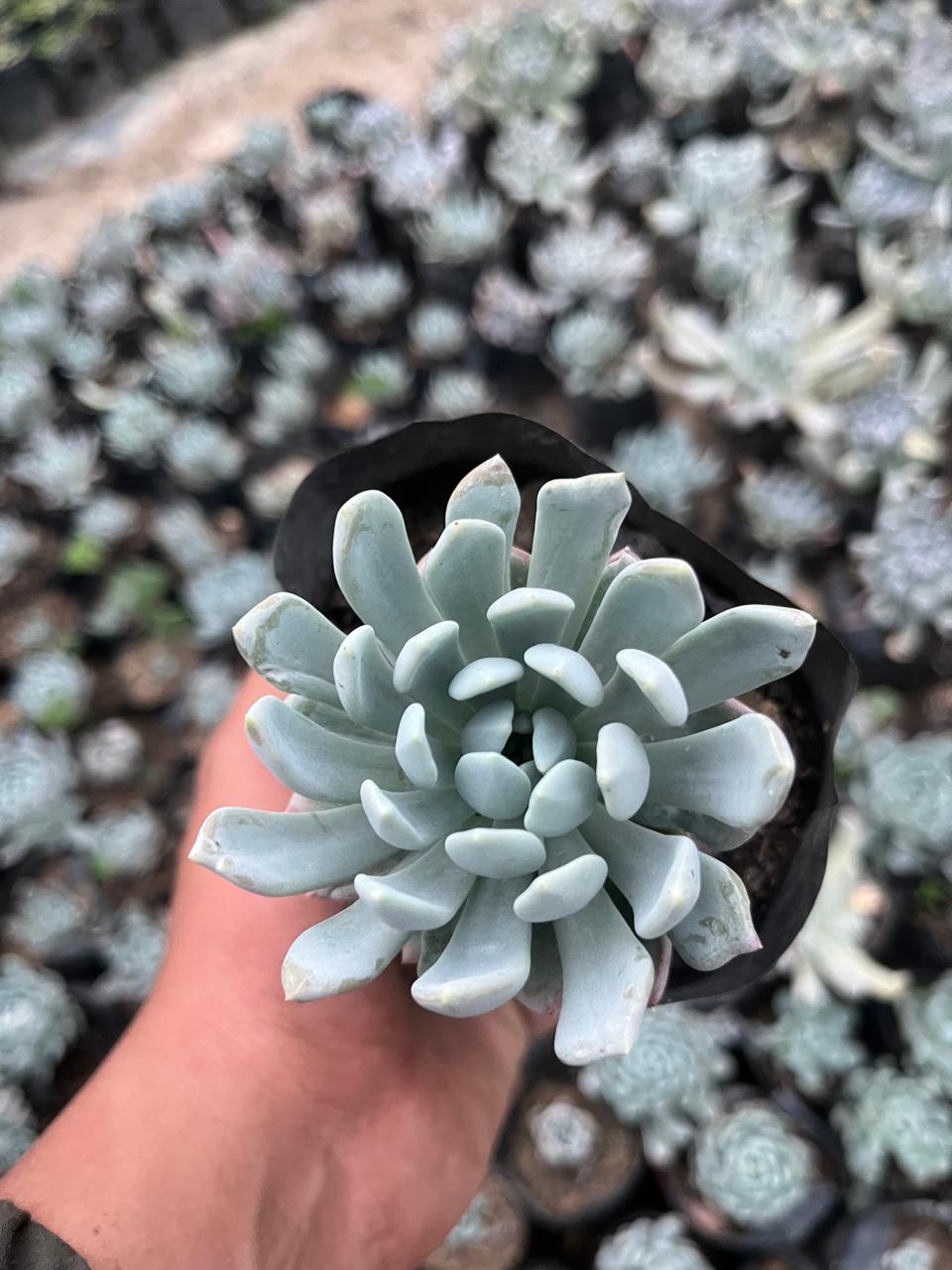
Echeveria ‘Blue Wren’ is a beautiful and compact succulent known for its striking rosette of blue-gray leaves with subtle hints of pink or purple, especially when exposed to bright sunlight. This plant is popular among succulent enthusiasts for its attractive foliage and ease of care.
Key Characteristics of Echeveria ‘Blue Wren’:
- Foliage: The leaves of Echeveria ‘Blue Wren’ are thick, fleshy, and form a tight, symmetrical rosette. The blue-gray coloration is the plant’s most distinctive feature, with the edges of the leaves often taking on a pink or purple tinge, particularly when grown in bright light. The leaf tips may also have a slight point.
- Size: This succulent remains relatively small, with rosettes typically growing up to 4 inches (10 cm) in diameter. It’s a compact plant that works well in small containers or as part of a mixed succulent arrangement.
- Flowers: In the spring or summer, Echeveria ‘Blue Wren’ may produce tall flower stalks that rise above the rosette, bearing small, bell-shaped flowers. The flowers are usually a soft pink or coral color, adding a lovely contrast to the blue-green leaves.
Care Tips for Echeveria ‘Blue Wren’:
- Light: Prefers bright, indirect sunlight to full sun. Providing plenty of light will enhance the coloration of the leaves and keep the rosette compact. If grown indoors, place it near a sunny window, such as a south or west-facing one.
- Watering: Use the “soak and dry” method—water thoroughly when the soil is completely dry. Be careful not to let water sit in the rosette, as this can cause rot. Reduce watering during the winter months when the plant is dormant.
- Soil: Plant in a well-draining succulent or cactus mix to prevent water from sitting at the roots. Adding perlite or sand to regular potting soil can improve drainage.
- Temperature: Echeveria ‘Blue Wren’ prefers warm temperatures between 65°F to 80°F (18°C to 27°C). It’s not frost-tolerant, so if you live in a cooler climate, consider bringing it indoors during the winter or protecting it from frost.
- Propagation: This plant can be easily propagated from leaf cuttings, offsets, or seeds. Offsets or “pups” that grow around the base of the rosette can be removed and planted separately.
- Maintenance: Remove any dead or withered leaves from the base of the plant to keep it looking tidy and to prevent pests. Repotting is usually only necessary when the plant outgrows its container.
Related Products

Gasteraloe limpopo
Original price was: ₹229.₹129Current price is: ₹129.

Crassula baby Nexclace
Original price was: ₹199.₹99Current price is: ₹99.

Echeveria colorata
Original price was: ₹179.₹99Current price is: ₹99.
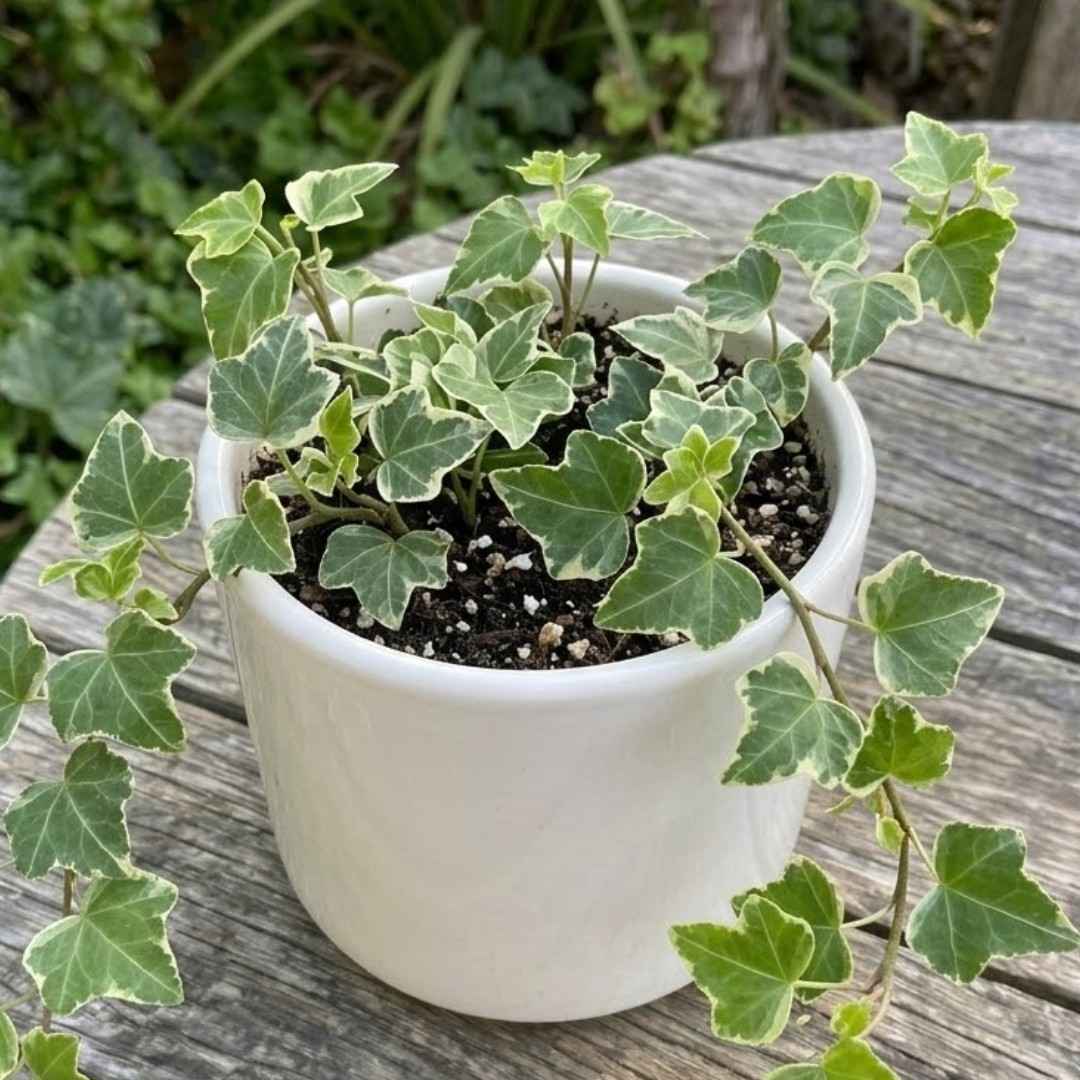
English Ivy
Original price was: ₹69.₹49Current price is: ₹49.

Graptopetalum
Original price was: ₹129.₹59Current price is: ₹59.
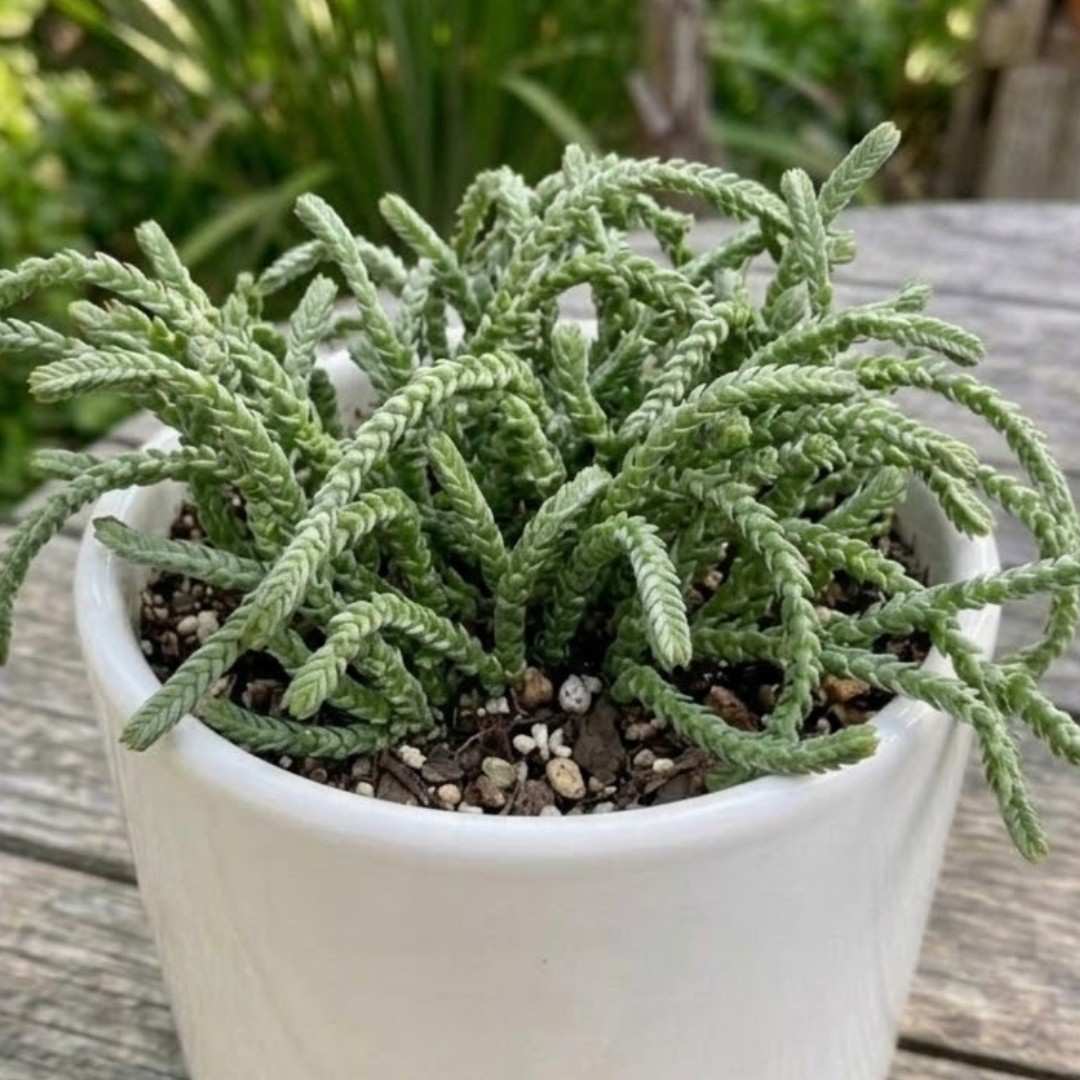
Rattail Crassula
Original price was: ₹99.₹45Current price is: ₹45.
⚠️ IMPORTANT DELIVERY NOTE
To ensure maximum plant health and safe transit, succulents are shipped Bare-rooted (Without Pot).
🚚 Dispatch: Within 2-3 business days.
📹 Refund Policy: An Unboxing Video is compulsory for refund claims. Please report any issues within 24 hours of delivery.
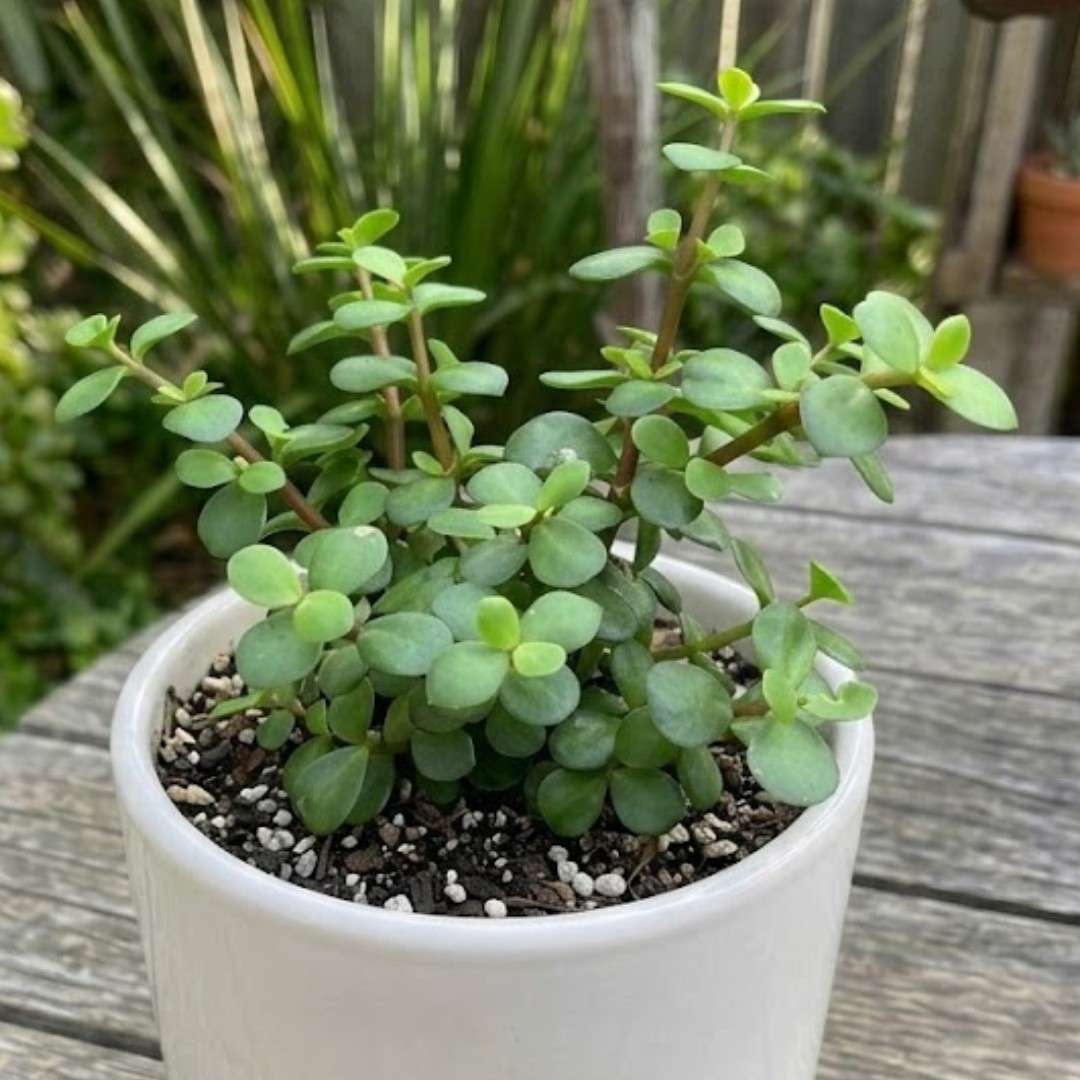
Jade plant elephant bush
Original price was: ₹69.₹49Current price is: ₹49.

Faucaria tigrina
Original price was: ₹199.₹109Current price is: ₹109.

Sulcorebutia
Original price was: ₹219.₹129Current price is: ₹129.
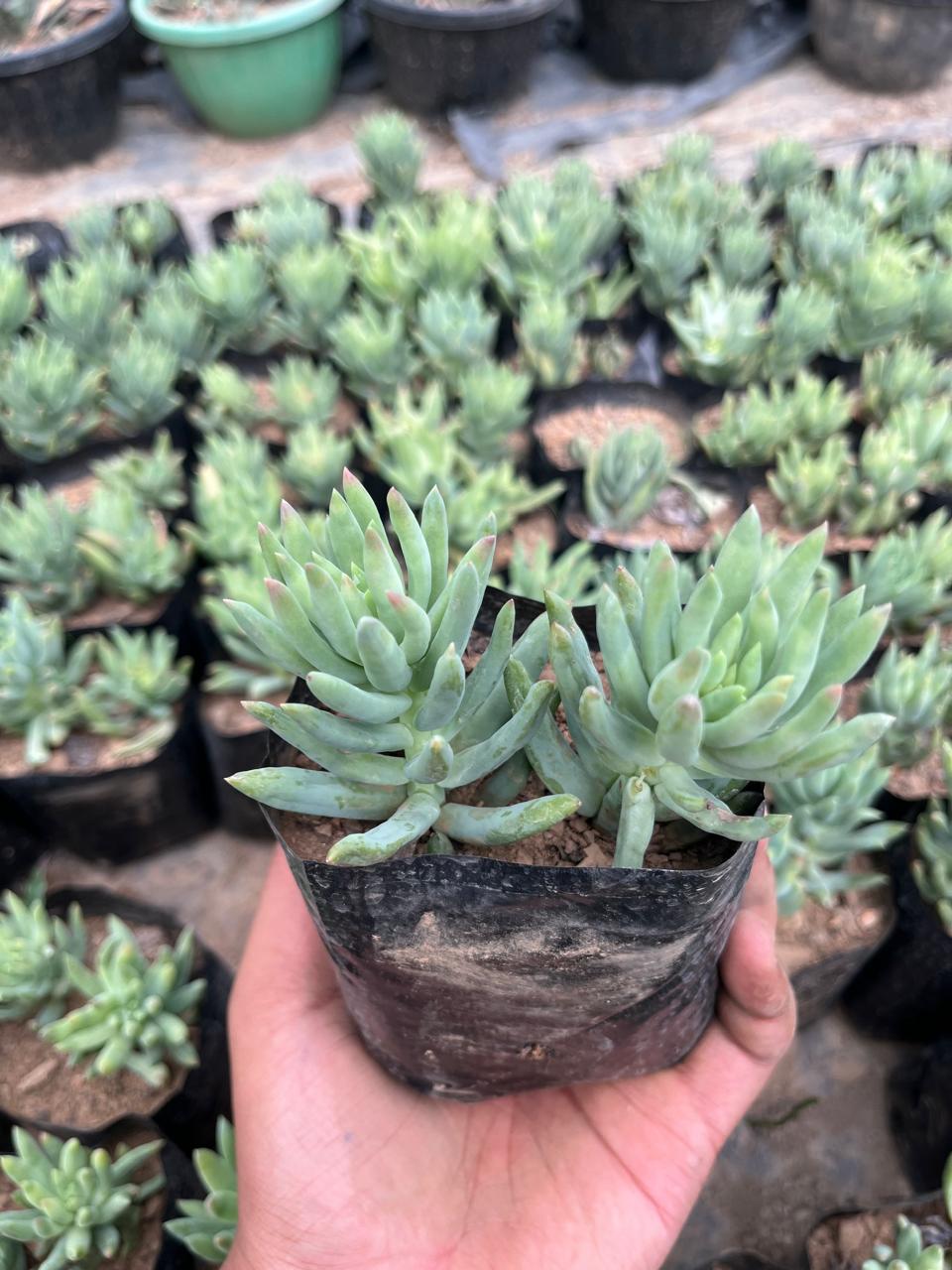
Sedeveria ‘Harry Butterfield’ a.k.a Super Donkey Tail
Original price was: ₹99.₹49Current price is: ₹49.
Out of stock

Adramischus cooperi
Original price was: ₹199.₹89Current price is: ₹89.

Senecio Obovatus
Original price was: ₹139.₹79Current price is: ₹79.
Reviews
There are no reviews yet.