





Crassula ‘Tom Thumb’ – The Perfect Mini Succulent for Indian Homes
Buy Crassula Tom Thumb Online at Best Price – Succulent Hub India
If you’re a succulent lover who enjoys collecting rare, compact, and uniquely shaped plants, Crassula ‘Tom Thumb’ is a must-have addition to your indoor garden. This miniature succulent is admired for its geometric beauty, easy-care nature, and eye-catching colors. It fits perfectly into small pots, vertical gardens, windowsills, and even fairy gardens.
At Succulent Hub India, we bring you premium-quality Crassula Tom Thumb plants grown in our own nursery with utmost care. Whether you’re a beginner or a plant enthusiast, this tiny gem will bring a big smile to your face!
🌱 What is Crassula ‘Tom Thumb’?
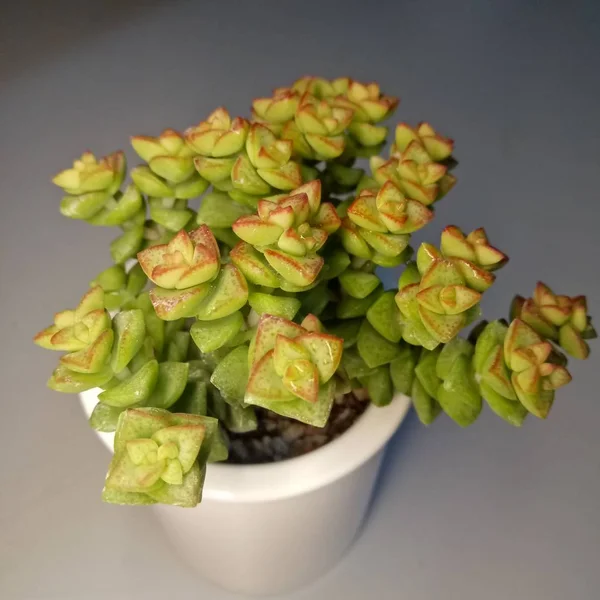
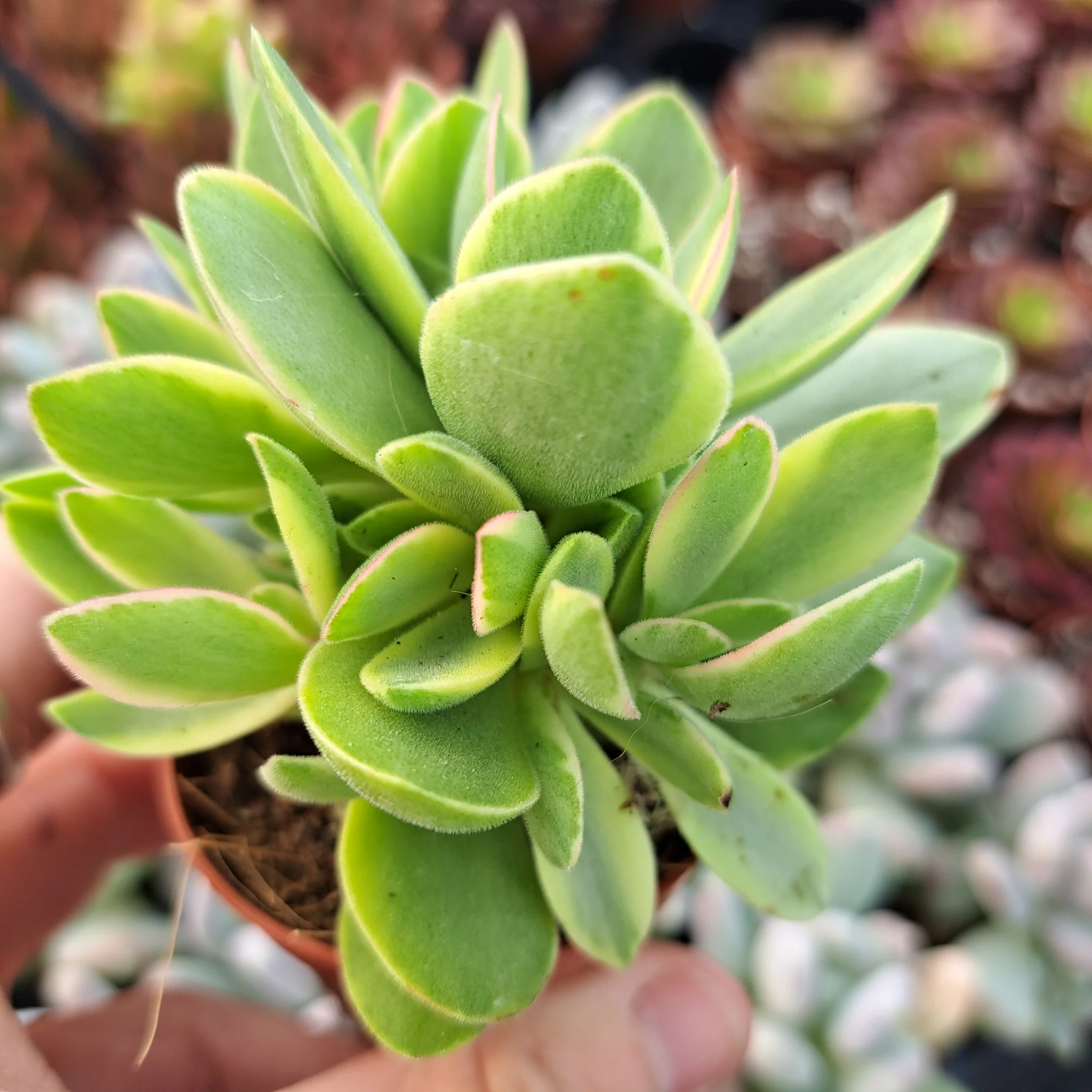
Crassula ‘Tom Thumb’ is a dwarf hybrid succulent — a cross between Crassula rupestris and Crassula perforata. It grows in a stacked, geometric spiral with tiny triangular leaves tightly packed along the stems. As it matures, it forms a compact trailing habit, making it ideal for hanging baskets or decorative pots.
When grown in bright sunlight, the edges of the green leaves develop a deep reddish-pink hue, giving the plant a colorful appearance that stands out among other succulents.
📏 Plant Size and Growth Habit
-
Height: Grows up to 4–6 inches tall
-
Spread: Trails beautifully over the edges of pots
-
Growth Type: Slow-growing; compact and bushy at first, then trailing
Its small size makes it perfect for:
-
Tabletop planters
-
Office desk décor
-
Window sill displays
-
Terrariums and fairy gardens
🌞 Light Requirements
To keep Crassula Tom Thumb healthy and colorful, it needs bright indirect light or partial sun. Ideally, give it 3 to 4 hours of filtered sunlight daily. If grown indoors, place it near a sunny window. In low light, the plant may stretch (etiolate), losing its compact form.
💧 Watering Needs
Crassula Tom Thumb, like all succulents, prefers the “soak and dry” method:
-
Water thoroughly when the soil is completely dry.
-
Reduce watering frequency during the monsoon or winter months.
-
Avoid overwatering — it can cause root rot quickly.
Pro Tip: Use pots with drainage holes to prevent water from sitting at the bottom.
🪴 Soil & Potting Mix
This plant thrives in a well-draining cactus or succulent mix. You can prepare your own by mixing:
-
50% garden soil
-
25% coarse sand or perlite
-
25% cocopeat or compost
This allows the roots to breathe and avoids waterlogging.
🌡️ Temperature & Humidity
-
Ideal temperature: 18°C to 28°C
-
Avoid frost and freezing conditions
-
Prefers low to moderate humidity — perfect for Indian indoor environments
🌸 Flowers (Bonus Beauty!)
Though it’s rare indoors, Crassula Tom Thumb may bloom in late spring or summer with tiny white to pink star-shaped flowers, especially when kept outdoors in good light.
🐾 Is Crassula Tom Thumb Pet-Safe?
❌ No, like most Crassula varieties, this plant is toxic to cats and dogs if ingested. Keep it out of reach of pets and small children.
🎁 Why Buy Crassula Tom Thumb from Succulent Hub India?
-
🌱 Grown in our own nursery under expert supervision
-
💰 Budget-friendly pricing starting at just ₹29
-
🚚 Safe and fast delivery across India
-
🛡️ Carefully packed to avoid damage during transit
-
🇮🇳 Proudly Indian, proudly homegrown!
We ensure that every plant you receive is healthy, rooted, and ready to thrive in your home.
🌿 Benefits of Crassula ‘Tom Thumb’
-
Low-maintenance – Ideal for beginners
-
Unique shape & color – Eye-catching display
-
Air-purifying qualities
-
Compact – Great for small spaces and office desks
-
Perfect gift for plant lovers, birthdays, or festive combos
🧼 How to Care for Crassula Tom Thumb – Quick Tips
| Aspect | Care Tip |
|---|---|
| Light | Bright indirect light or partial sun |
| Watering | Only when soil is dry; no overwatering |
| Soil | Well-draining mix with perlite/sand |
| Pot | Use pots with drainage holes |
| Fertilizer | Once a month in growing season (diluted) |
| Pruning | Pinch back long trails to keep shape |
🛒 Ready to Order?
Crassula Tom Thumb is a tiny plant with a huge personality. Perfect for gifting, decorating, or collecting, this plant is a customer favorite at Succulent Hub India.
👉 Buy now at Succulent Hub India
🎁 Starting from just ₹29 – Premium quality guaranteed!
Related Products


To ensure maximum plant health and safe transit, succulents are shipped Bare-rooted (Without Pot).
🚚 Dispatch: Within 2-3 business days.
📹 Refund Policy: An Unboxing Video is compulsory for refund claims. Please report any issues within 24 hours of delivery.


To ensure maximum plant health and safe transit, succulents are shipped Bare-rooted (Without Pot).
🚚 Dispatch: Within 2-3 business days.
📹 Refund Policy: An Unboxing Video is compulsory for refund claims. Please report any issues within 24 hours of delivery.


To ensure maximum plant health and safe transit, succulents are shipped Bare-rooted (Without Pot).
🚚 Dispatch: Within 2-3 business days.
📹 Refund Policy: An Unboxing Video is compulsory for refund claims. Please report any issues within 24 hours of delivery.

Reviews
There are no reviews yet.