


- Dispatch in 2-3 days
- Country of origin: India
- It’s Compulsory to make an unboxing video of the parcel for refunds within 24 hours.
- Bare Rooted
It seems like you might be referring to Crassula ‘Baby Necklace’, a charming and unique succulent known for its stacked, bead-like leaves that resemble a string of beads or a baby’s necklace. This plant is a hybrid of Crassula perforata and another Crassula species, and it’s loved for its compact growth and striking appearance.
Care Tips for Crassula ‘Baby Necklace’:
- Light:
- This succulent thrives in bright, indirect light. It can tolerate some direct sunlight, especially in the morning or late afternoon, which can enhance the reddish-pink hues on the edges of the leaves. Too much direct sunlight, however, can cause sunburn.
- Watering:
- Like most succulents, Crassula ‘Baby Necklace’ prefers to dry out between waterings. Water thoroughly when the soil is completely dry, and be cautious not to overwater, as it is prone to root rot. During the winter months, reduce watering as the plant’s growth slows.
- Soil:
- Use a well-draining succulent or cactus mix. You can enhance drainage by adding perlite or pumice to the soil mix. Good drainage is essential to prevent water from pooling around the roots.
- Temperature:
- Crassula ‘Baby Necklace’ prefers temperatures between 65-80°F (18-27°C). It can tolerate cooler temperatures down to about 50°F (10°C) but should be protected from frost.
- Fertilizing:
- Fertilize sparingly during the growing season (spring and summer) with a diluted succulent fertilizer. Over-fertilization can lead to leggy growth and reduce the plant’s compact form.
- Propagation:
- This plant is easy to propagate from stem cuttings or leaf cuttings. Allow the cuttings to callous over for a day or two before placing them on well-draining soil. They should root within a few weeks.
- Pests:
- Crassula ‘Baby Necklace’ is generally pest-resistant but can be susceptible to mealybugs and aphids. Regularly check the plant for signs of pests, and treat with insecticidal soap or neem oil if necessary.
Display Ideas:
- Hanging Baskets: Show off its trailing growth habit.
- Succulent Arrangements: Pair with other succulents for a colorful and texturally interesting display.
- Mini Gardens: Ideal for small pots or tabletop gardens, adding a pop of color and structure.
- Fairy Gardens: Its small size and unique appearance make it perfect for fairy garden themes.
Related Products

Flapjack
Original price was: ₹189.₹89Current price is: ₹89.
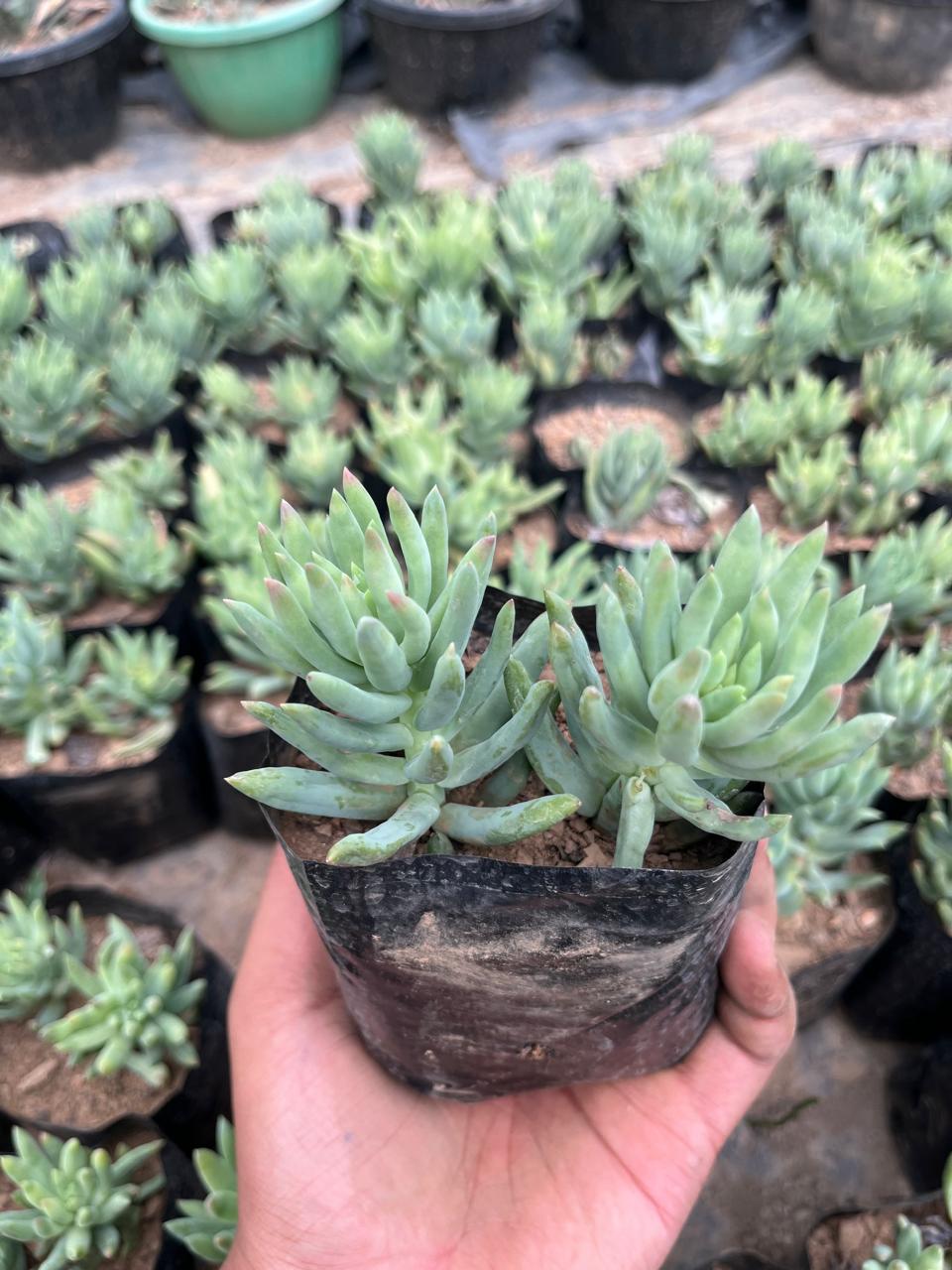
Sedeveria ‘Harry Butterfield’ a.k.a Super Donkey Tail
Original price was: ₹99.₹49Current price is: ₹49.
Out of stock

kalanchoe tomentosa propagation
Original price was: ₹169.₹89Current price is: ₹89.

Haworthia limifolia
Original price was: ₹199.₹109Current price is: ₹109.
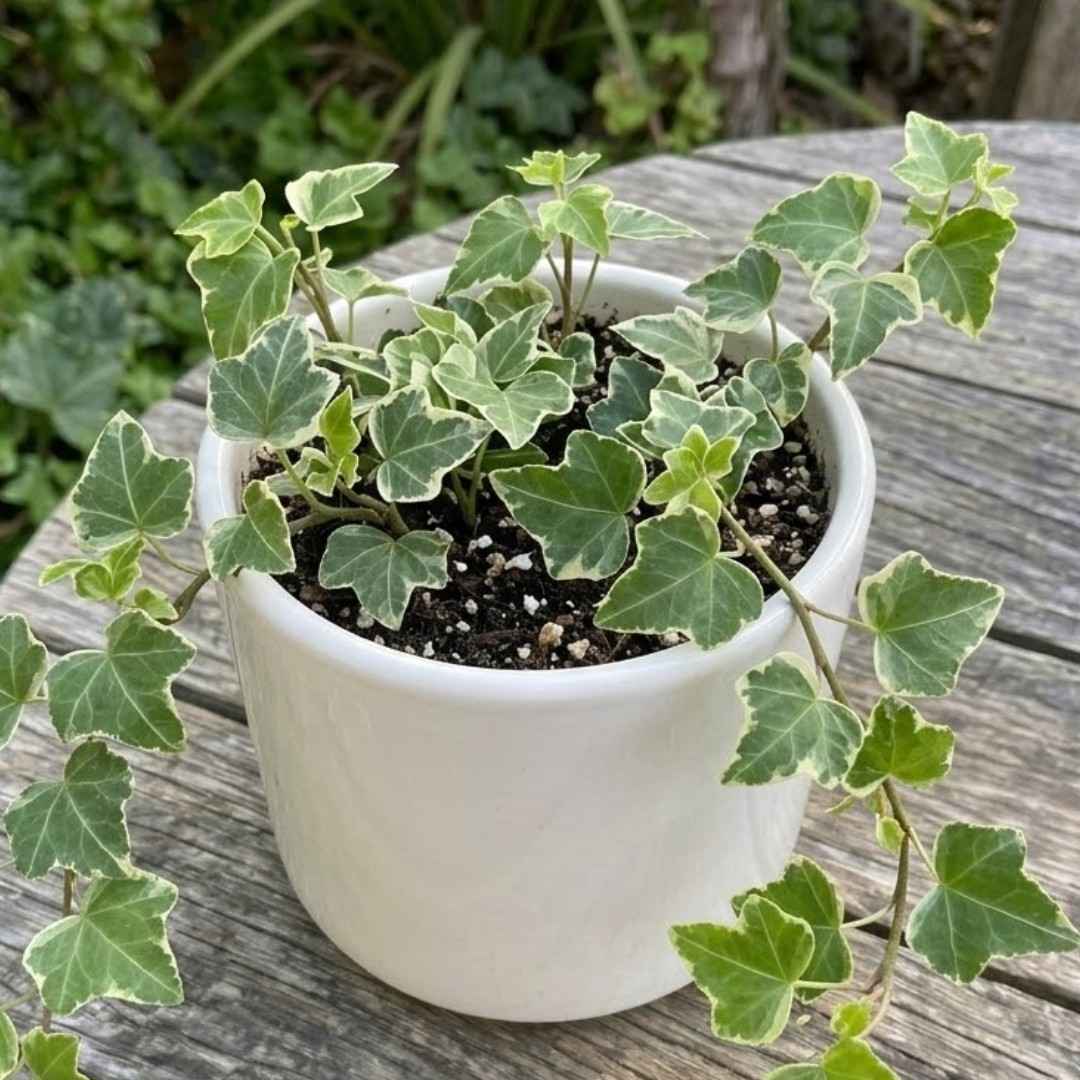
English Ivy
Original price was: ₹69.₹49Current price is: ₹49.

Sempervivum Calcereum
Original price was: ₹219.₹129Current price is: ₹129.
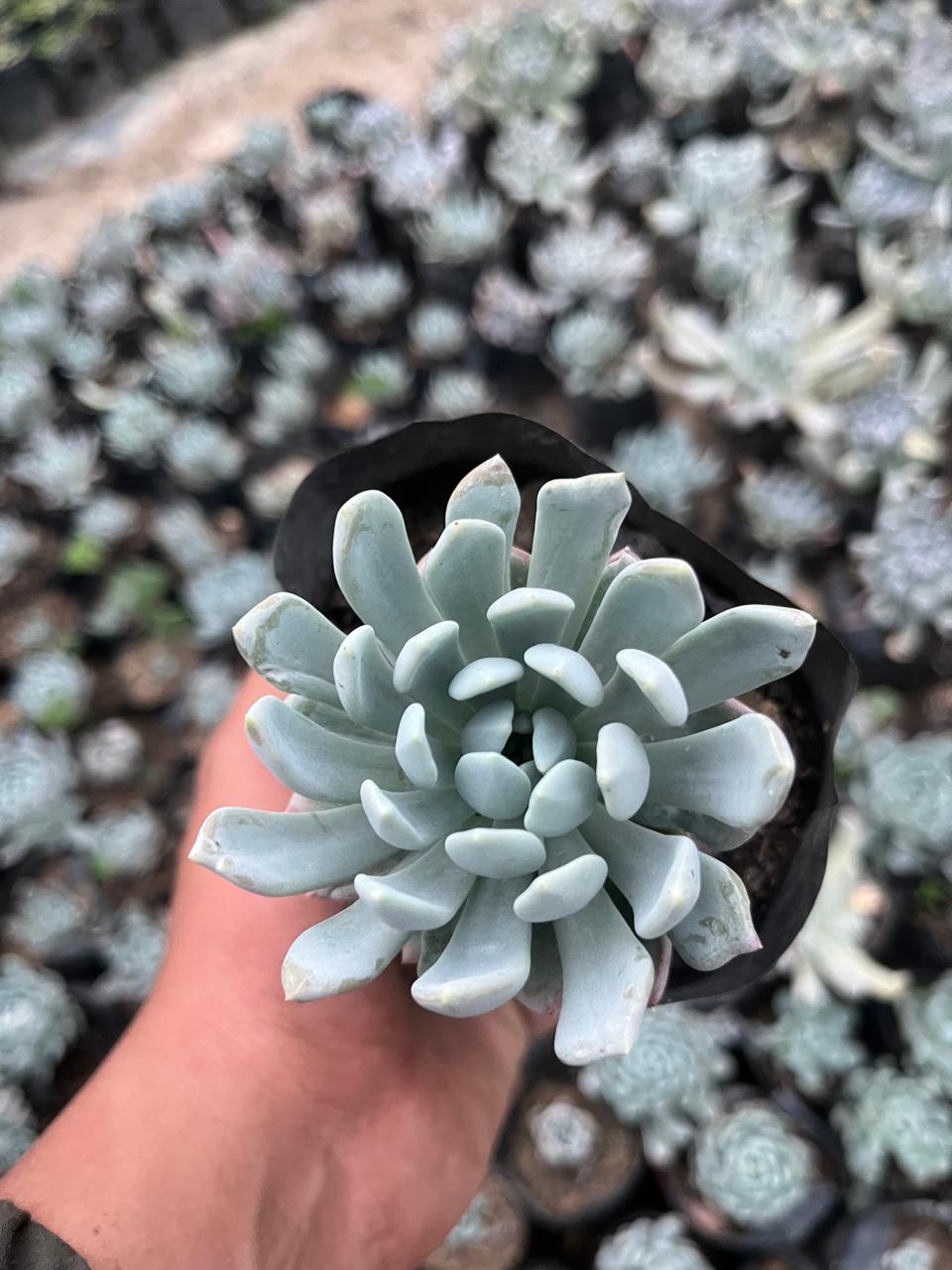
Sedeveria ‘Blue Elf’ – Succulent Plant
Original price was: ₹149.₹79Current price is: ₹79.

Senecio crassissimus
Original price was: ₹159.₹89Current price is: ₹89.
Out of stock

Senecio Obovatus
Original price was: ₹139.₹79Current price is: ₹79.
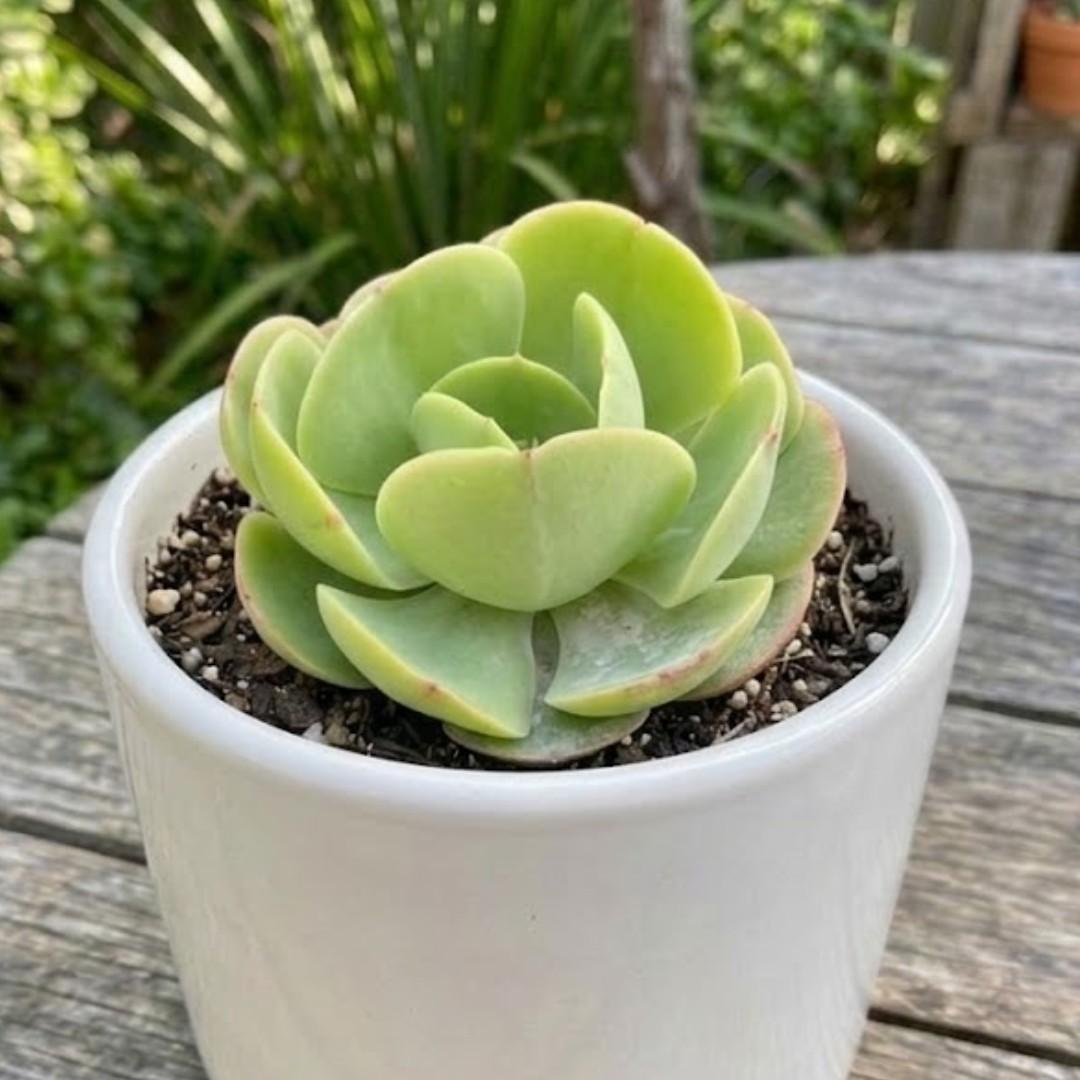
Cabbage Rose (echeveria pallida)
Original price was: ₹179.₹89Current price is: ₹89.
⚠️ IMPORTANT DELIVERY NOTE
To ensure maximum plant health and safe transit, succulents are shipped Bare-rooted (Without Pot).
🚚 Dispatch: Within 2-3 business days.
📹 Refund Policy: An Unboxing Video is compulsory for refund claims. Please report any issues within 24 hours of delivery.
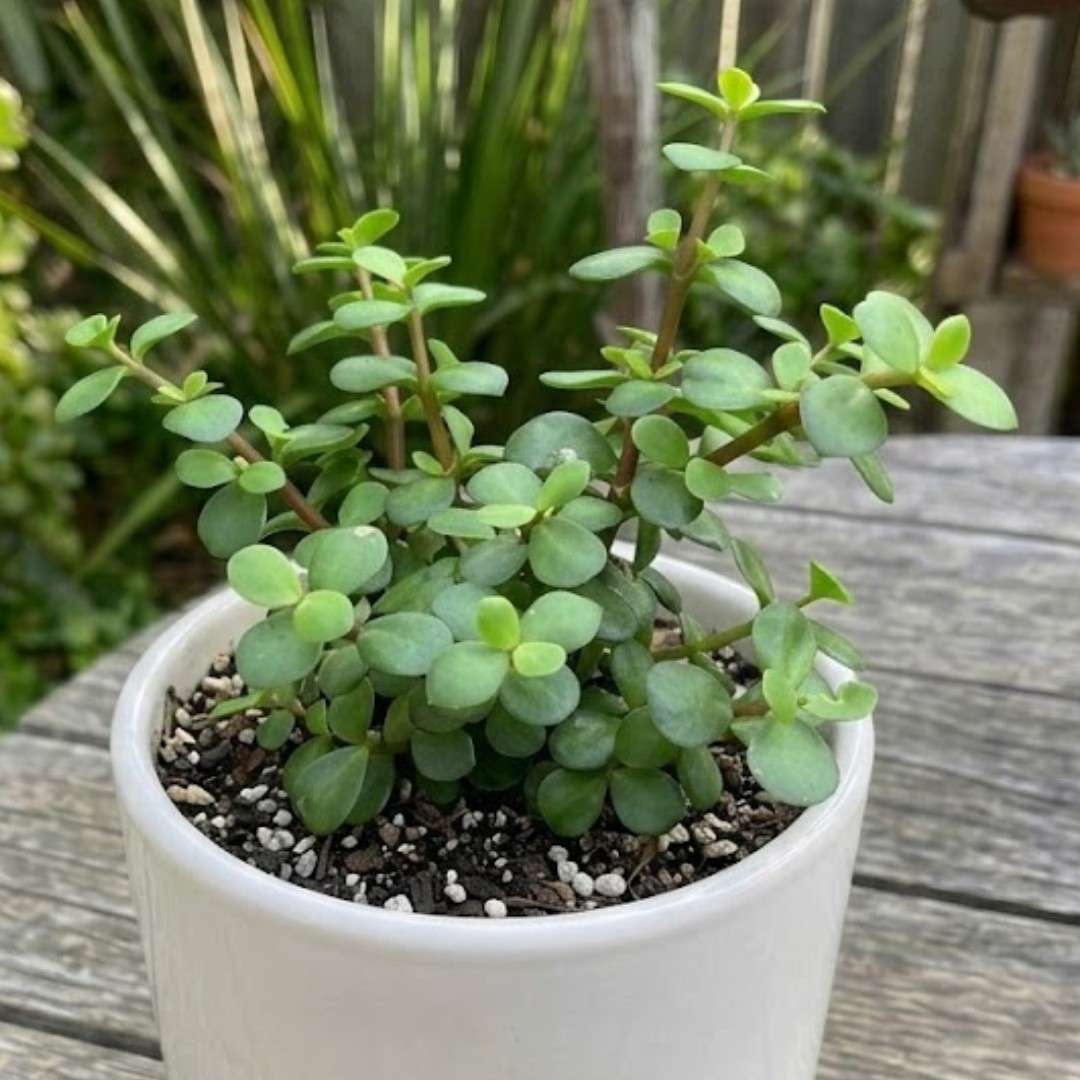
Jade plant elephant bush
Original price was: ₹69.₹49Current price is: ₹49.

Sulcorebutia
Original price was: ₹219.₹129Current price is: ₹129.
Reviews
There are no reviews yet.