




- Dispatch in 2-3 days
- Country of origin: India
- It’s Compulsory to make an unboxing video of the parcel for refunds within 24 hours.
- Bare Rooted
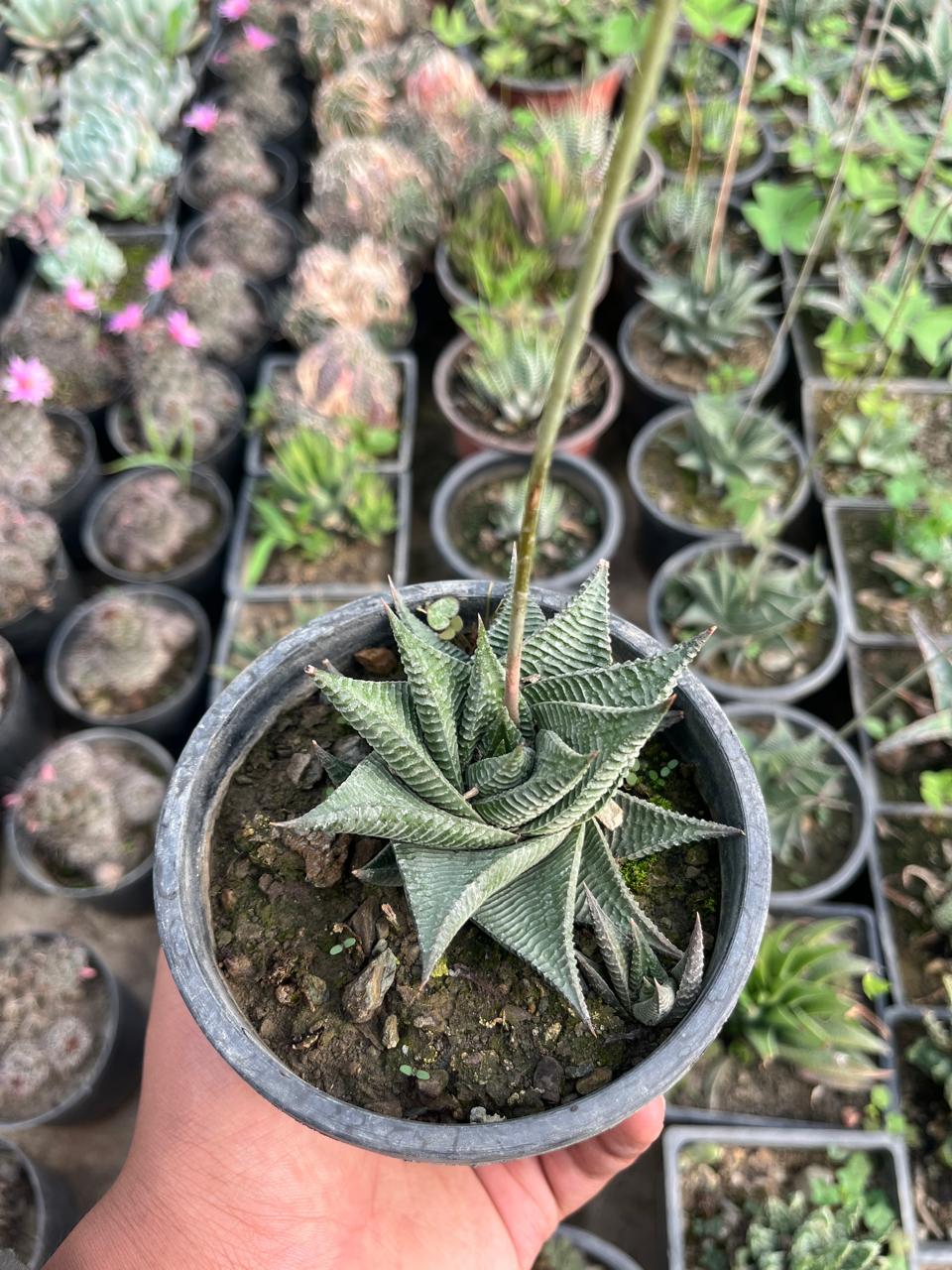
Aloe ‘White Fox’ is a rare and striking succulent known for its distinctive white-speckled leaves and compact rosette form. This small aloe variety is highly sought after by collectors for its unique appearance and ease of care.
Key Characteristics:
- Leaves: The leaves are triangular, slightly recurved, and feature a beautiful array of white spots and stripes on a green background, giving the plant a frosty, almost marbled look.
- Size: It typically grows up to 6 inches (15 cm) tall and wide, making it a great choice for small spaces or container gardens.
- Flowers: During the blooming season, Aloe ‘White Fox’ produces tubular flowers on tall spikes, usually in shades of pink or orange.
Care Tips for Aloe ‘White Fox’:
- Light:
- Aloe ‘White Fox’ prefers bright, indirect sunlight but can tolerate some direct morning or late afternoon sun. Too much direct sunlight can cause the leaves to scorch, so if you’re growing it indoors, place it near a sunny window with filtered light.
- Watering:
- Water sparingly, allowing the soil to dry out completely between waterings. Overwatering can lead to root rot, especially since this aloe is small and sensitive to excess moisture. Reduce watering in winter when the plant’s growth slows down.
- Soil:
- Use a well-draining cactus or succulent soil mix. Adding perlite or pumice can enhance drainage, which is crucial for preventing waterlogged roots.
- Temperature:
- Aloe ‘White Fox’ thrives in temperatures between 65-80°F (18-27°C). It is not frost-tolerant, so it should be brought indoors or protected during cold weather if grown outdoors.
- Fertilizing:
- Fertilize sparingly during the growing season (spring and summer) with a diluted succulent or cactus fertilizer. Too much fertilizer can cause the plant to lose its compact shape and may lead to weaker growth.
- Propagation:
- This aloe can be propagated through offsets (pups) that form around the base of the plant. Gently remove the offsets and allow them to callous for a day or two before planting them in well-draining soil.
- Pests:
- Aloe ‘White Fox’ is relatively pest-resistant but can occasionally be affected by common pests like mealybugs or aphids. Regularly inspect the plant and treat any infestations with insecticidal soap or neem oil.
Display Ideas:
- Miniature Gardens: Aloe ‘White Fox’ is perfect for small containers or terrariums due to its compact size.
- Desk Plants: Its manageable size and striking appearance make it a great choice for adding a touch of green to a workspace.
- Succulent Arrangements: Combine with other small succulents for a visually interesting and varied display.
Related Products

Gasteraloe limpopo
Original price was: ₹229.₹129Current price is: ₹129.
Zebra Haworthia
Original price was: ₹149.₹79Current price is: ₹79.

Sulcorebutia
Original price was: ₹219.₹129Current price is: ₹129.
Sedeveria ‘Harry Butterfield’ a.k.a Super Donkey Tail
Original price was: ₹99.₹49Current price is: ₹49.
Out of stock

Echeveria Melaco
Original price was: ₹219.₹129Current price is: ₹129.

Aloe Tiger Jade
Original price was: ₹179.₹99Current price is: ₹99.
Jade plant elephant bush
Original price was: ₹69.₹49Current price is: ₹49.
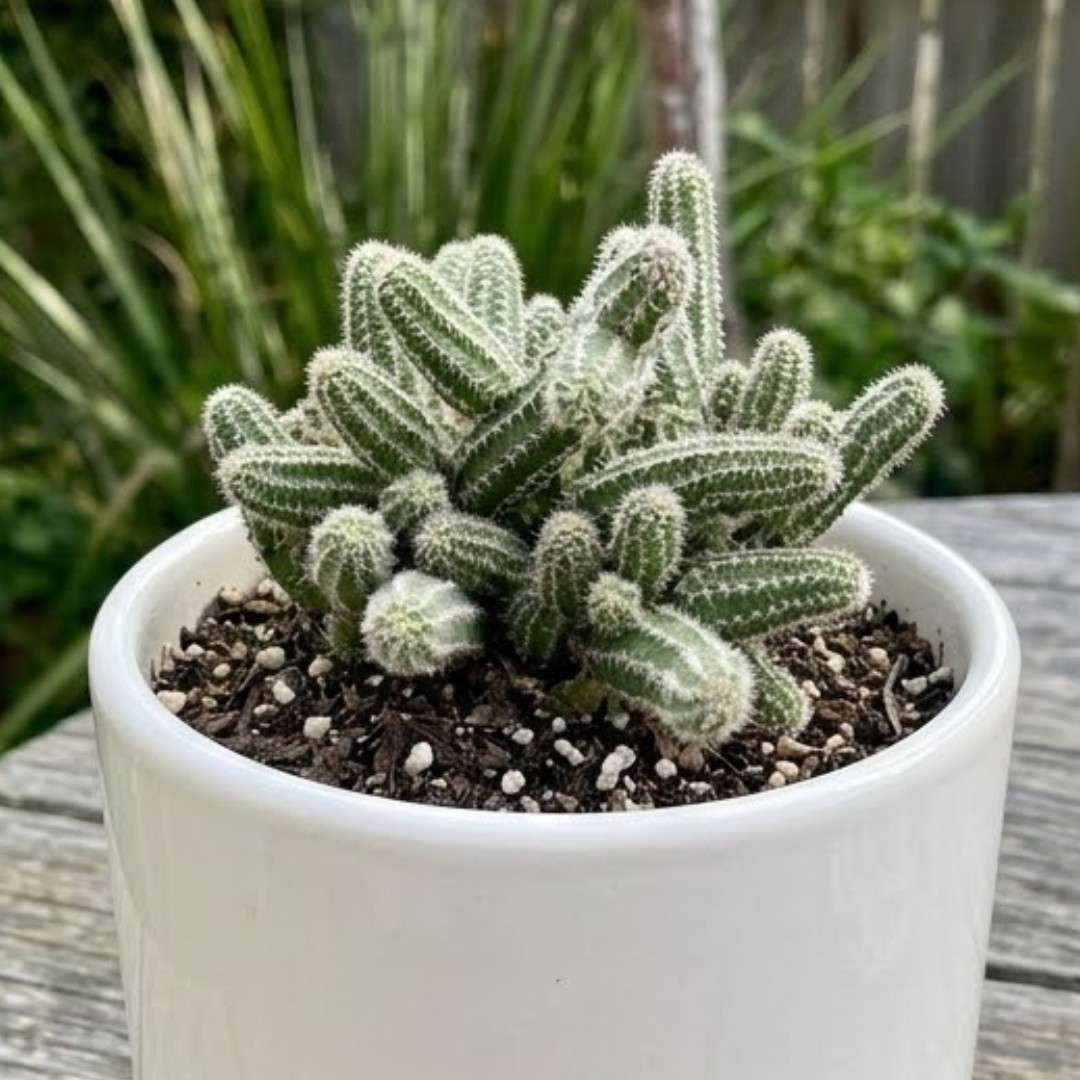
Echinopsis chamaecereus
Original price was: ₹199.₹69Current price is: ₹69.
⚠️ IMPORTANT DELIVERY NOTE
To ensure maximum plant health and safe transit, succulents are shipped Bare-rooted (Without Pot).
🚚 Dispatch: Within 2-3 business days.
📹 Refund Policy: An Unboxing Video is compulsory for refund claims. Please report any issues within 24 hours of delivery.

Senecio crassissimus
Original price was: ₹159.₹89Current price is: ₹89.
Out of stock

Faucaria tigrina
Original price was: ₹199.₹109Current price is: ₹109.
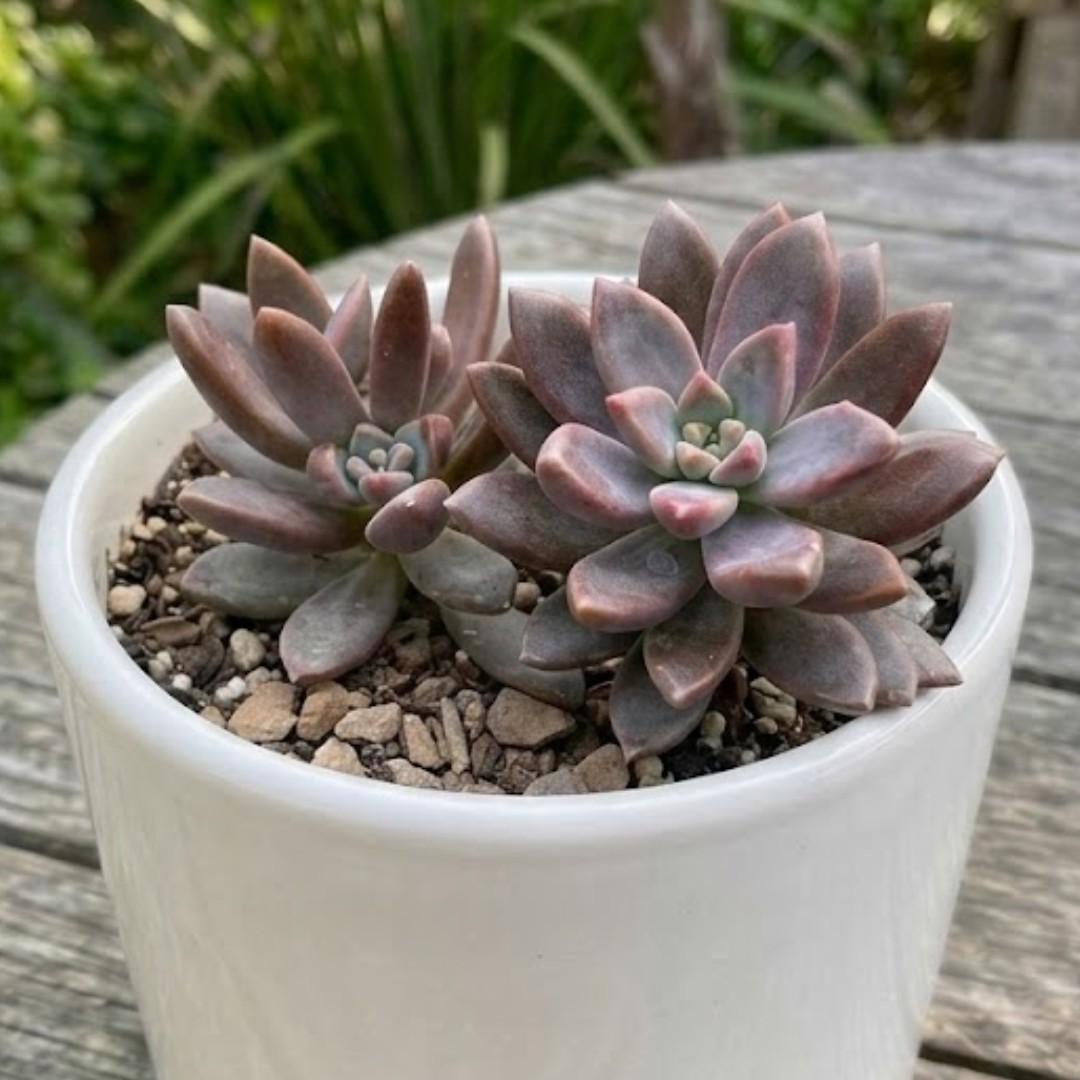
Chocolate Sedum
Original price was: ₹109.₹79Current price is: ₹79.

Echeveria Runyonii Topsy Turvy Succulent
Original price was: ₹199.₹99Current price is: ₹99.
Reviews
There are no reviews yet.