
Kalanchoe Daigremontiana (Mother of Thousands)
Original price was: ₹99.₹49Current price is: ₹49.
To ensure maximum plant health and safe transit, succulents are shipped Bare-rooted (Without Pot).
🚚 Dispatch: Within 2-3 business days.
📹 Refund Policy: An Unboxing Video is compulsory for refund claims. Please report any issues within 24 hours of delivery.
- Dispatch in 2-3 days
- Country of origin: India
- It’s Compulsory to make an unboxing video of the parcel for refunds within 24 hours.
- Bare Rooted
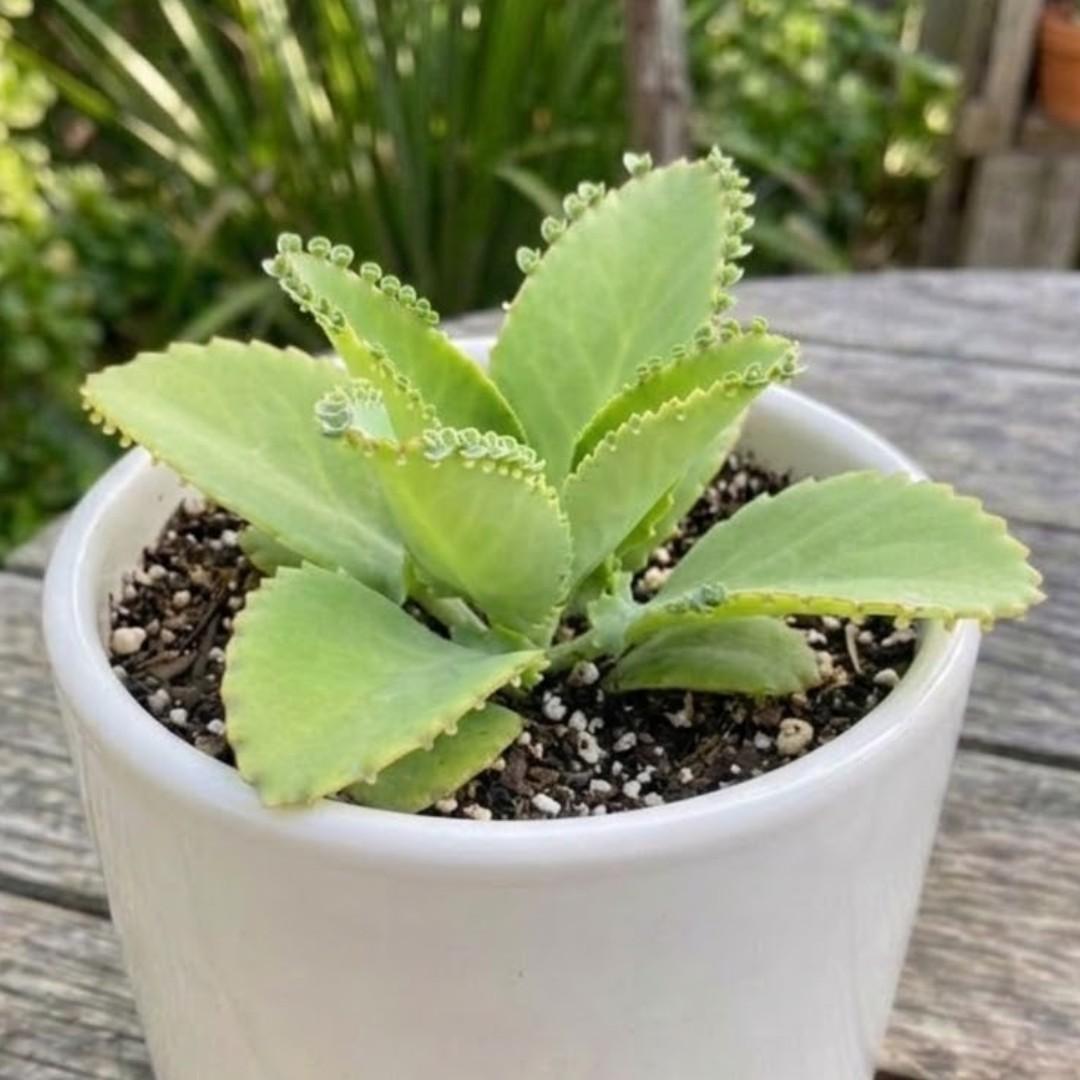
Kalanchoe daigremontiana, commonly known as Mother of Thousands, Alligator Plant, or Devil’s Backbone, is a fascinating and distinctive succulent known for its unique method of propagation. Native to Madagascar, this plant is loved by succulent enthusiasts for its unusual appearance and its ability to produce numerous plantlets along the edges of its leaves.
Key Characteristics:
- Leaves: The leaves of Kalanchoe daigremontiana are thick, fleshy, and triangular in shape. They are typically a grayish-green color with dark spots or streaks on the underside. The most notable feature of this plant is the small plantlets (or “babies”) that form along the edges of the leaves. These plantlets eventually drop off and root wherever they land, leading to the name “Mother of Thousands.”
- Growth Habit: Kalanchoe daigremontiana is a relatively fast-growing succulent that can reach up to 3 feet (90 cm) in height. It has an upright growth habit with leaves that grow alternately along a central stem.
- Flowers: In ideal conditions, Kalanchoe daigremontiana can produce small, tubular, pinkish-orange flowers in clusters at the top of the plant. However, flowering is not as common in cultivation as it is in the wild.
Care Tips for Kalanchoe daigremontiana:
- Light:
- This plant thrives in bright, indirect light. It can tolerate some direct sunlight, especially in the morning or late afternoon, which can enhance the leaf coloration. However, too much intense midday sun can scorch the leaves. If grown indoors, place it near a sunny window where it can receive plenty of light.
- Watering:
- Water the plant sparingly, allowing the soil to dry out completely between waterings. Kalanchoe daigremontiana is drought-tolerant and does not require frequent watering. Overwatering can lead to root rot, so it’s important to let the soil dry out before watering again.
- Soil:
- Use a well-draining cactus or succulent soil mix. You can improve drainage by adding perlite, pumice, or coarse sand to the soil. Proper drainage is crucial to prevent root rot.
- Temperature:
- Kalanchoe daigremontiana prefers temperatures between 65-80°F (18-27°C) during the growing season. It can tolerate cooler temperatures down to around 50°F (10°C) but should be protected from frost. If grown outdoors in cooler climates, bring it indoors when temperatures start to drop.
- Fertilizing:
- Fertilize the plant once a month during the growing season with a diluted, balanced fertilizer formulated for succulents. Avoid fertilizing during the winter months when the plant’s growth slows down.
- Propagation:
- Kalanchoe daigremontiana is known for its ability to propagate easily. The plantlets that form along the leaf edges can be gently removed and planted in their own pots. Simply place the plantlets on the surface of well-draining soil, and they will quickly take root and grow into new plants.
- Pests and Diseases:
- This plant is generally resistant to pests but can occasionally attract mealybugs, aphids, or spider mites. Regularly inspect the plant and treat any infestations with insecticidal soap or neem oil. Be cautious of overwatering, which can lead to root rot and other fungal issues.
Display Ideas:
- Indoor Decor: Kalanchoe daigremontiana’s unique appearance makes it a striking addition to indoor spaces. It looks great on windowsills, shelves, or as part of a succulent arrangement.
- Container Gardens: The plant’s upright growth habit and distinctive leaves make it an excellent choice for container gardens. It can be grown alone or combined with other succulents for a visually interesting display.
- Propagation Projects: Due to its prolific production of plantlets, Kalanchoe daigremontiana is an excellent plant for propagation projects. The plantlets can be shared with friends or used to create new arrangements.
2 reviews for Kalanchoe Daigremontiana (Mother of Thousands)
Related Products


⚠️ IMPORTANT DELIVERY NOTE
To ensure maximum plant health and safe transit, succulents are shipped Bare-rooted (Without Pot).
🚚 Dispatch: Within 2-3 business days.
📹 Refund Policy: An Unboxing Video is compulsory for refund claims. Please report any issues within 24 hours of delivery.
💧
Watering
Water only after soil dries fully
Sunlight
Bright direct to partial sunlight
Temperature
10°C–32°C
Pet Safety
Generally pet safe
Maintenance
Low maintenance
Growth
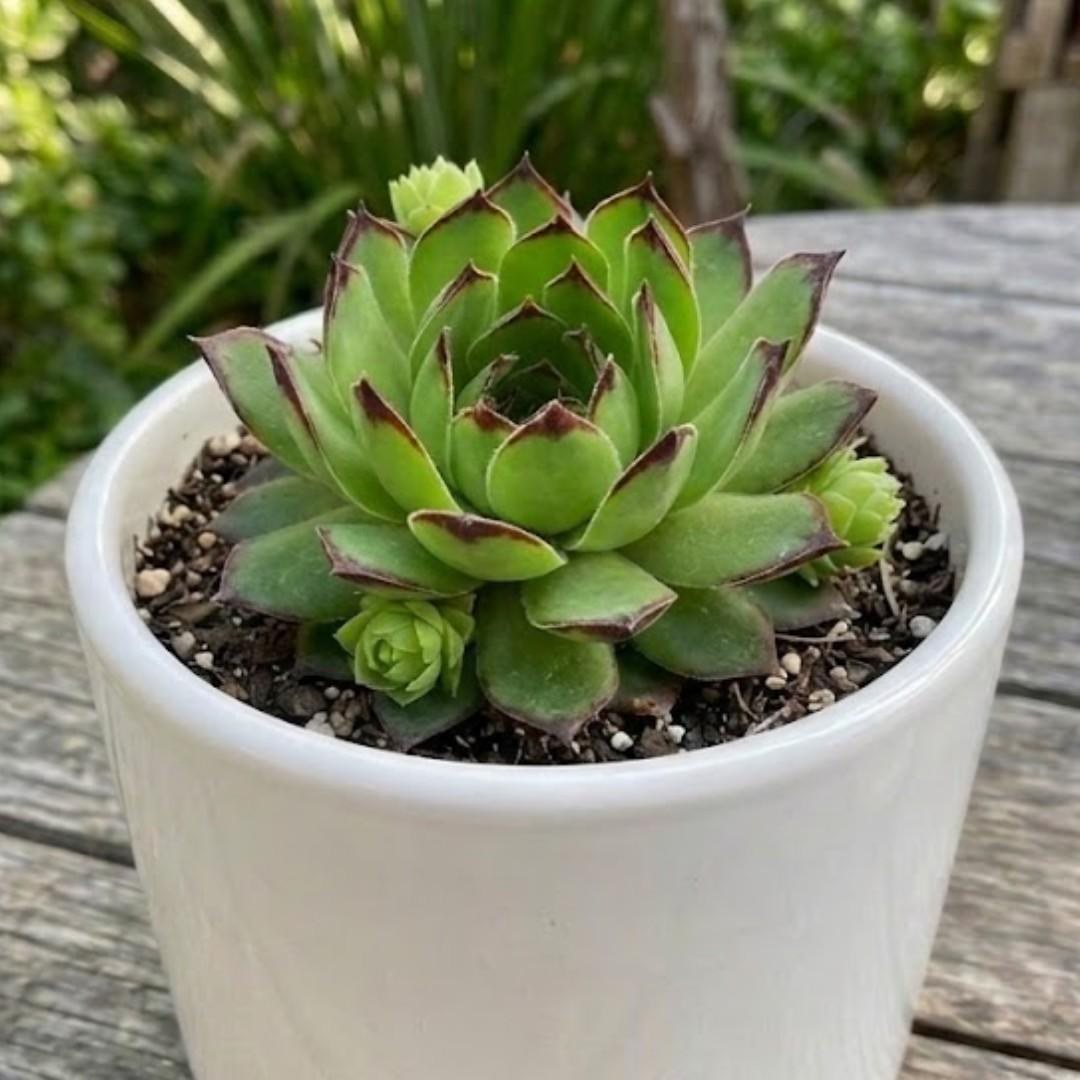
Approx. 70–85 mm rosette
Soil
Fast-draining cactus mix
Care Tip
Red tips intensify in brighter light





Helena –
Perfect
Helena –
Perfect ,good 👌